Showing 76–100 of 449 resultsSorted by latest
-
$74.99
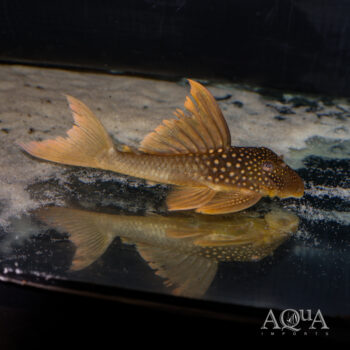
The High Orange Green Phantom Pleco, like the very similar and more commonly imported L200 Green Phantom Pleco (H. subviridis) originates in fast-moving, rocky areas of the Orinoco and Ventuari Rivers in Colombia and Venezuela. Distinct for having more orange dorsal and caudal fins than other Green Phantom Plecos, this pleco makes a colorful and unique addition to most medium aquariums. An omnivore, they will graze on algae and biofilm but should be offered a variety of sinking prepared foods with a moderate to high protein content. This species is particularly sensitive to poor water quality and will do best when kept in clean, well-oxygenated warm water with moderate current and plenty of hiding places.
-
$299.99
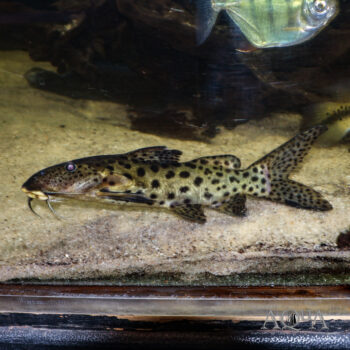
The Synodontis longirostris is the largest growing member of the genus Synodontis. Due to the heavily spotted pattern it is also known at the Eyespot Synodontis. This uncommon import is hardy and adaptable in the aquarium and is more active and less shy than many other Synodontis species. These giants will need a large tank with hiding places and plenty of open bottom for swimming space.
-
Sale!
$9.99 Original price was: $9.99.$8.99Current price is: $8.99.
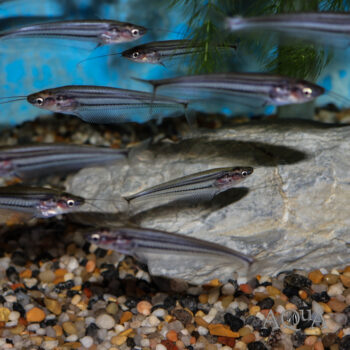
The Striped Glass Catfish (Kryptopterus macrocephalus) has been popular in the aquarium trade for decades due to its peaceful nature and active behavior. In the wild, they inhabit a variety of freshwater habitats in Southeast Asia, from clear water streams to quiet swampy areas, where they are typically found in large shoals. They are relatively hardy in the aquarium but prefer slightly soft water and excellent water quality. They should be kept in groups of at least 5 fish so they can form a school. Fast moving or nippy tankmates should be avoided as they can stress out the more peaceful Glass Catfish.
-
$24.99
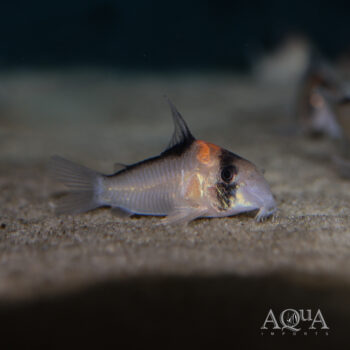
One of several species of similarly patterned, medium-growing Corydoras from the Rio Negro basin in Brazil, the Adolfoi or Adolfo’s Cory is a peaceful shoaling fish often found in large groups in the wild. This species typically inhabits soft, acidic, tannin-stained waters in the wild and will display their best coloration under similar conditions in the aquarium. Hardy and undemanding, this species an excellent and active bottom-dweller for most community tanks. Like most Corydoras they should be kept in groups of at least five fish.
-
Sale!
$109.99 Original price was: $109.99.$79.99Current price is: $79.99.
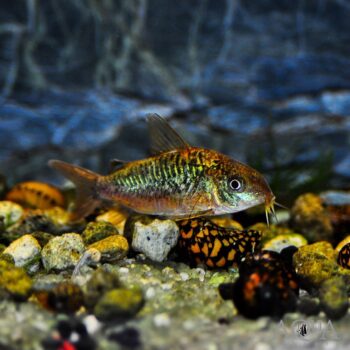
A medium growing species of Brochis, the Pantanal or C005 Cory originates in the clear water wetlands known as the Pantanal in Southern Brazil and Bolivia. Adult fish are one of the most attractive of all Corydoras, with adult males in breeding colors showing a remarkable iridescent spotted pattern. Like most Cory catfish, they are peaceful, hardy, and best kept in groups due to their schooling nature. Because of their larger adult size, Pantanal Corys make for great bottom feeders or dithers in aquariums with medium South or Central American Cichlids or other predatory fish which aren’t large enough to try to make a meal of them.
-
$8.99
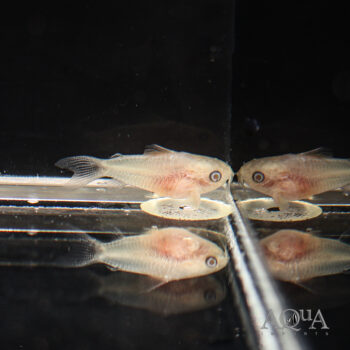
One of the smallest species of Cory and an ideal, active schooling fish for the aquarium, the true Pygmy Cory is found in the middle and upper Amazon and Napo rivers in Colombia, Brazil, and Peru. In the wild, they are usually found in shallow stretches of whitewater or clearwater creeks or seasonally flooded forest. This species is a true shoaling fish which aggregates in groups of hundreds to thousands in nature, and unlike most Corydoras will spend a substantial amount of time swimming in the water column rather than on the substrate. In the aquarium, they will exhibit this same ‘swarming’ behavior and constant activity if kept in groups of 10 or more. With their small adult size and compatibility with almost any other small fish or invertebrate, they are an extremely popular addition to planted and shrimp tanks. Our tank raised Albino Pygmy Corys are bred in captivity and will adapt to aquarium life easily, making them a good choice for beginner to intermediate hobbyists.
-
$29.99 – $39.99Price range: $29.99 through $39.99
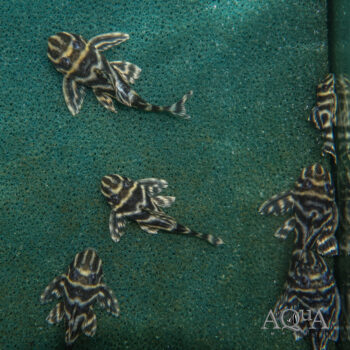
A strikingly patterned, small growing species of Hypancistrus from the warm, acidic waters of the Rio Orinoco and its tributaries in Colombia, the L199 Yellowhead Zebra Pleco (Hypancistrus furunculus) is an ideal species for a medium sized community aquarium. Although normally shy at first, they will become more comfortable spending time out in the open over time and especially when food is added to the tank. Like most of their close relatives, they are not a particularly good algae eater and prefer a more protein rich diet than some plecos. Peaceful toward nearly all tankmates, they can be territorial towards other plecos but will typically coexist without problems long as plenty of cover is provided in the aquarium.
-
$49.99 – $59.99Price range: $49.99 through $59.99
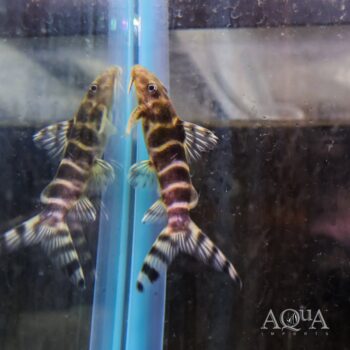
The Synodontis brichardi is a unique and nicely marked member of the genus Synodontis, also known as Squeaker Catfish for their ability to make a distinctive squeaking noise with their pectoral fins when taken out of the water. Found in a wide variety of habitat types throughout the Congo, this uncommon import is hardy and adaptable in the aquarium and is more active and less shy than many other closely related species. These fish displaying a pattern of heavy banding along with their active and hardy nature make them a great aquarium addition.
-
$9.99
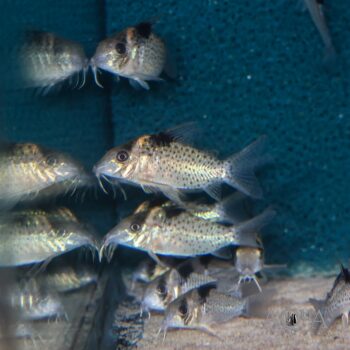
The Melanistius Cory (Hoplisoma melanistium) originates from the Essequibo River in Guyana. This medium sized Cory Cat prefers soft fine substrate and plenty of cover. Like most Corys, they are peaceful, hardy, and best kept in groups of 5 or more due to their schooling nature. An excellent community aquarium fish, they will do well with nearly any non-aggressive tankmates.
-
Sale!
$34.99 Original price was: $34.99.$29.99Current price is: $29.99.
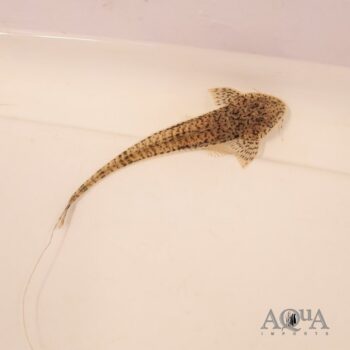
An unusual species of Loricaria to find in the hobby, Pseudohemiodon unillano originates from the Rio Orinoco tributaries and the Rio Meta in particular. They are typically found in shallow, fast-moving stretches of river. In the aquarium, they prefer moderate to high water movement and large open areas of sand substrate. In the wild, they graze on biofilm, algae, small crustaceans and insect larvae and should be fed a varied diet with plenty of proteins.
-
$27.99
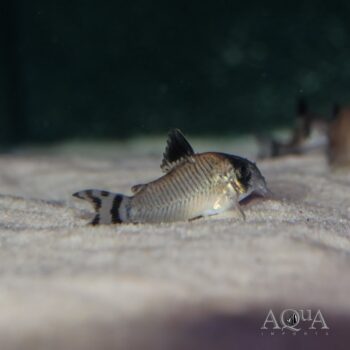
A medium-growing species of Cory, the Flag Tailed Panda Cory (Hoplisoma oiapoquense) is found in the Rio Oyapock of Brazil, where it inhabits in shallow soft/fine sand habitats. This species is similar looking to the more common Panda Cory (Hoplisoma panda) except that it exhibits the banded patterning in the caudal fin. Like most Corys, they are peaceful, hardy, and best kept in groups of 5 or more due to their schooling nature. An excellent community aquarium fish, they will do well with nearly any non-aggressive tankmates.
-
$49.99
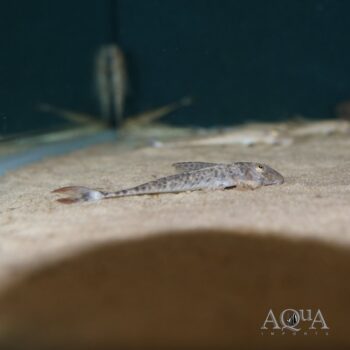
Harttia punctata is a rarely imported catfish from the mid to upper Tocantins River basin. They prefer well oxygenated water with strong current. In the wild they feed mostly on biofilms and diatom algae and will accept most algae based pellets and wafers in the aquarium.
-
$159.99
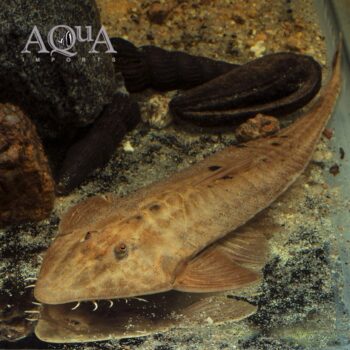
The exceedingly rare red color morph of Chameleon Loricaria is found alongside the more commonly seen black and white form, but very few make their way into the trade. The Chameleon Loricaria is typically found in shallow, fast-moving stretches of river. In the aquarium, they prefer moderate to high water movement and large open areas of sand substrate. As their name suggests, these fish are capable of changing color, but the red morph seems to lack a pattern altogether and ranges from pale reddish white to a deep brick red.
-
$24.99
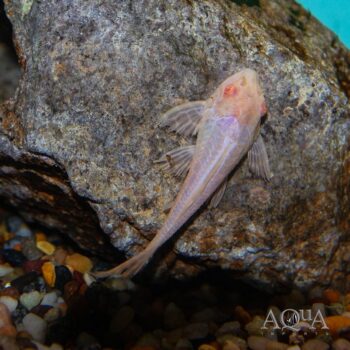
An incredibly beautiful but huge growing pleco, the Sailfin or Gibbiceps Pleco has been known by many names in the trade and is now among the most widely bred plecos in the hobby despite its large adult size. As the name implies, this species is easily distinguished by its enormous, sail-like dorsal fin. An algae grazer and opportunistic omnivore, the Sailfin Pleco is an excellent fish for algae control in a very large community aquarium but with its fast growth and adult size of over 16″ it requires a substantial amount of space to maintain successfully.
-
$69.99
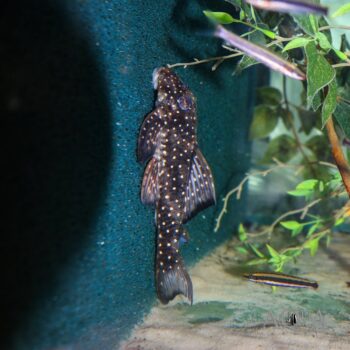
The L501 Black Phantasm Pleco is often imported and misidentified with the L102 True Inspector or Snowball Pleco. It is one of several medium sized spotted species of Hypancistrus found in the middle and upper Rio Negro basin in Brazil, Colombia, and Venezuela. This species grows somewhat larger than some of its close relatives, reaching an adult size of 7″ and can be distinguished from other similar Hypancistrus by it’s thicker, more robust pectoral fins and lack of spots in the caudal fin. Like its relatives, they prefer warm, slightly soft water and are sensitive to poor water quality so regular water changes are a must. They should be fed a varied diet high in proteins, including frozen bloodworms, and sinking prepared foods.
-
$4.99
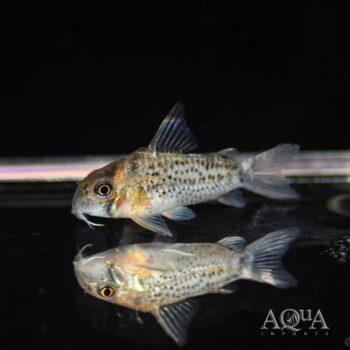
The Bonehead Cory (Hoplisoma osteocarum) is a small species of Cory originating in slow moving shallow waters along the Llanos region of the Orinoco Basin in Colombia and Venezuela. Like all Cory species they should be kept in schools of at least 5 or more in the aquarium. They use their barbels to find food in fine, sandy substrate and will do best under similar conditions in the aquarium. Ideal for planted or shrimp tanks due to their small size and peaceful nature.
-
$119.99
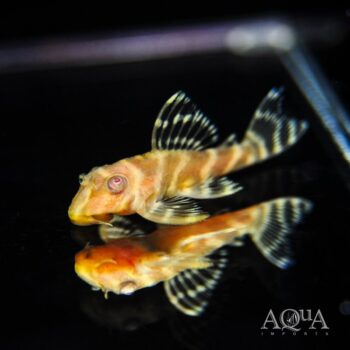
Albino L333 King Tiger Plecos are a rarity in the hobby. Originating from the Rio Xingu in Brazil, the L333 “Black and White” or Black and White King Tiger Pleco inhabits rocky areas of warm, fast-moving water. In the aquarium, they need excellent water quality and do best when provided lots of cover in the form of caves or driftwood. A carnivore, they should be fed protein rich foods like frozen bloodworms, carnivore pellets, or gel diets.
-
$199.99
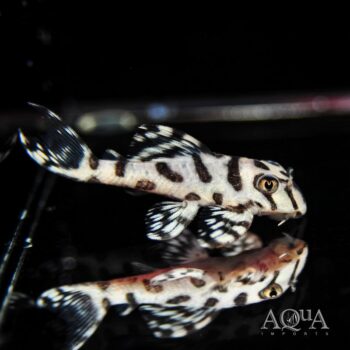
The L236 Super White or Cracked Zebra Pleco is one the more ornate small species of Hypancistrus originating from the river systems of South America. Like its relatives, it prefers warm, slightly soft water and is sensitive to poor water quality so regular water changes are a must. They should be fed a varied diet high in proteins, including frozen bloodworms, sinking prepared foods.
-
$14.99
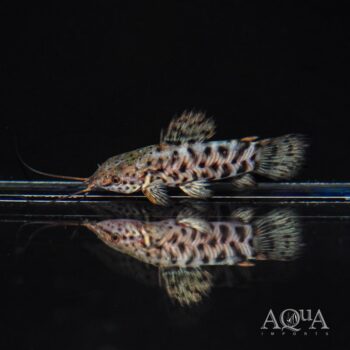
The attractive albino form of the Spotted Hoplo Catfish is a recent addition to the hobby, although the normal Hoplo Cat has been a favorite for decades due to its unique appearance, active nature, and hardiness. A widespread species throughout much of the Amazon, Spotted Hoplo Catfish inhabit a wide variety of habitat types and are especially hardy due to their ability to breathe atmospheric air when dissolved oxygen levels are low. In the aquarium, they will thrive in a wide variety of conditions and make excellent tankmates for most medium sized fish.
-
$39.99
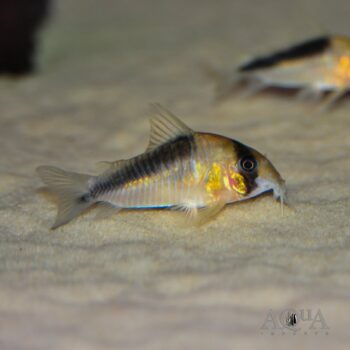
Product description coming soon.
-
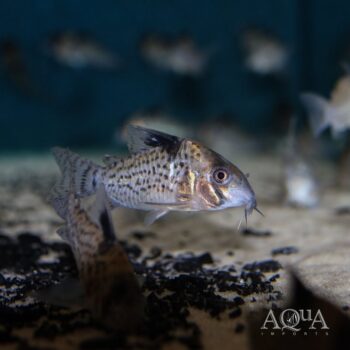
$9.99
Product description coming soon.
-
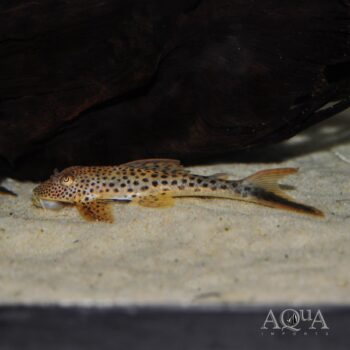
$44.99 – $59.99Price range: $44.99 through $59.99
Red Fin Thresher Pleco (Squaliforma emarginata) product description coming soon.
-
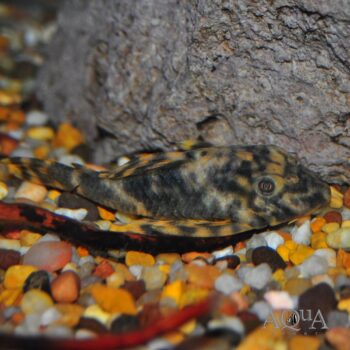
$34.99 – $39.99Price range: $34.99 through $39.99
Product description coming soon.
-
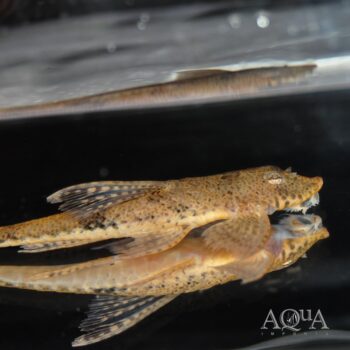
$34.99
A finely patterned, medium-growing Loricariid known from the Rio Orinoco basin, Rineloricaria formosa remains an elusive and uncommon import in the hobby. In the wild, they are found on fine sand substrate in areas of open, shallow water and are capable of a good deal of color change to camouflage themselves to their surroundings. Like most similar Loricariids, this species is an omnivore which feeds on invertebrates, biofilm, algae and vegetation and should be fed a varied diet of sinking specialty formulas including gel diets and occasionally fresh veggies. A hardy and unique aquarium fish, they will do best when provided with plenty of open space, warm, soft water and some current.
-
Sale!
$124.99 Original price was: $124.99.$99.99Current price is: $99.99.
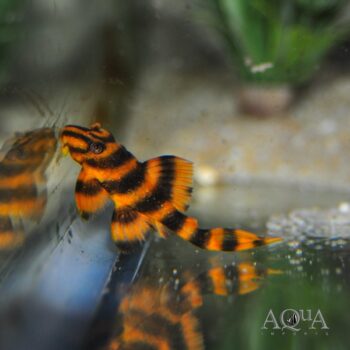
One of the most beautifully marked “tiger” plecos of the genus Panaqolus, the L306 Blood Red Tiger Pleco (Panaqolus claustellifer) displays beautiful vivid orange/red and black coloration when kept under optimal conditions. Originating from the waters of the Rio Branco drainage specifically the Takutu River near Guyana, L306 plecos are usually found in and around sunken trees and large patches of driftwood in the wild. Like its close relatives, it is a wood eater (xylivore) and in the aquarium should be provided with ample driftwood as well as other nutritious sinking foods.
End of content
End of content