Showing 2201–2225 of 2362 resultsSorted by latest
-
Sale!
$9.99 – $19.99Price range: $9.99 through $19.99
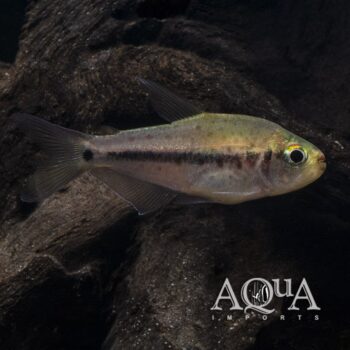
A unique and rarely seen characin from Colombia’s Pacific Coastal drainages, the Pink Spot Choco Tetra or Kyburz’ Tetra is a fairly large, robust, and fast moving schooling fish ideal for a species tank or display. In the aquarium, they are likely to bully or nip at smaller or more fragile tankmates, and are best kept with similarly-sized, fast moving fish.
-
$16.99 – $18.99Price range: $16.99 through $18.99
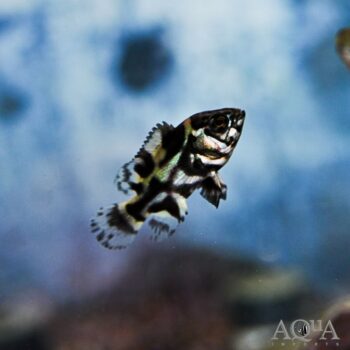
A wild form of the aquarium hobby classic, the Oscar from Colombia’s Rio Caqueta represents a newer locality of the species with a distinctive gold banded color pattern. As with all Oscars, these are a large growing and predatory fish that require large aquariums as adults. Although Oscars have earned a reputation for aggression in the hobby, they are fairly peaceful for a large cichlid and if given ample tank space will do well in a mixed community of similarly sized fish. Feeding a varied diet of high quality prepared and frozen foods will help ensure their best colors as they grow.
-
$19.99
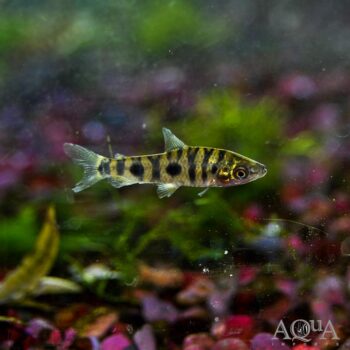
An attractively marked, active swimming species of characin, the Threespot Leporinus is widespread throughout the Amazon and Orinoco basins, and has been recorded from the Guiana Shield to the upper Amazon. In the wild, it tends to be found in large aggregations in fast to moderate flowing waters, usually around submerged driftwood or aquatic vegetation. In the aquarium, they tend to be aggressive towards each other and other tankmates unless kept in a sufficiently large group (ideally 8-10 or more).
-
$89.99
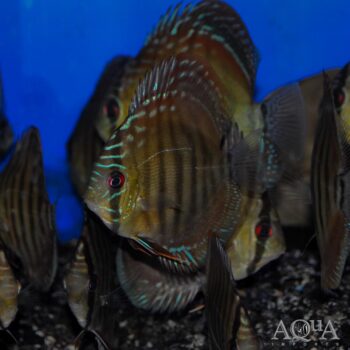
Long considered the most beautiful of all freshwater aquarium fish, the discus remains a popular fish for serious hobbyists. Regular, large water changes, a protein-rich varied diet, and warm water temperatures (78-84) will create ideal conditions for discus to thrive. Wild discus like the Mangal red are sensitive to water quality and are best kept by experienced hobbyists, however their reputation for being challenging isn’t entirely deserved. They will do best in soft, slightly acidic water and may take weeks or even months to display their optimal colors in an aquarium but will reward patient aquarists with spectacular coloration and natural behaviors. Discus are found in loose aggregations in the wild, and should be kept in groups of at least 5 in the aquarium (8-10 is ideal).
-
$59.99 – $119.99Price range: $59.99 through $119.99
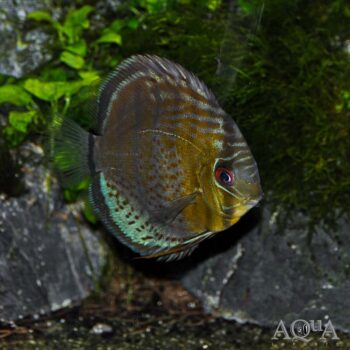
Long considered the most beautiful of all freshwater aquarium fish, the discus remains a popular fish for serious hobbyists. Regular, large water changes, a protein-rich varied diet, and warm water temperatures (78-84) will create ideal conditions for discus to thrive. Wild discus like the Red Spotted Green are sensitive to water quality and are best kept by experienced hobbyists, however their reputation for being challenging isn’t entirely deserved. They will do best in soft, slightly acidic water and may take weeks or even months to display their optimal colors in an aquarium but will reward patient aquarists with spectacular coloration and natural behaviors. Discus are found in loose aggregations in the wild, and should be kept in groups of at least 5 in the aquarium (8-10 is ideal). The spectacular wild form from Peru’s Rio Nanay are known for their stunning iridescent green base color with exceptional specimens showing vivid red spots throughout their entire body.
-
$34.99 – $159.99Price range: $34.99 through $159.99
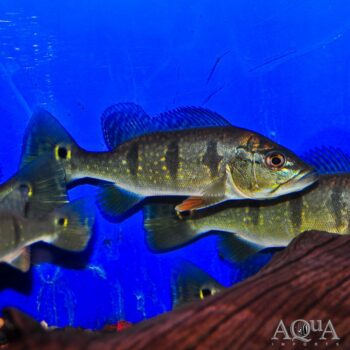
A powerful and large growing predator, the Orinocensis Peacock Bass is found in parts of the Orinoco and Meta river drainages in Colombia and Venezuela. The less commonly imported population from the upper Rio Meta in Colombia is especially sought after for its vivid yellow coloration and unique patterning of yellow rosettes and spots that becomes increasingly intense as they grow . Like all peacock bass, they are a voracious fish eater by nature and newly imported fish tend to prefer live foods at first but can be weaned onto frozen and prepared foods over time. They are fast growing and can be aggressive towards tankmates, especially other cichlids. Best kept with larger, fast-moving fish. Due to their large adult size and need for large areas of open swimming space, the Orinoco Peacock Bass is suitable only for the largest custom aquariums or heated ponds.
-
$24.99 – $124.99Price range: $24.99 through $124.99
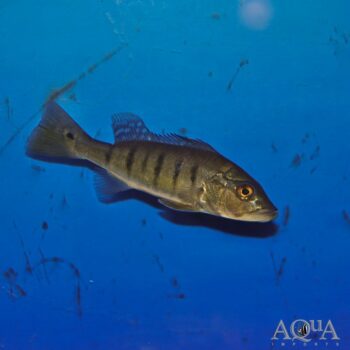
A powerful and large growing predator, the Intermedia Peacock Bass is found in parts of the Orinoco and Casiquiare river drainages in Colombia and Venezuela. The rarely seen population from the Rio Caqueta in Colombia may represent a distinct subspecies. Like all peacock bass, they are voracious fish eater by nature and newly imported fish tend to prefer live foods at first but can be weaned onto frozen and prepared foods over time. They are fast growing and can be aggressive towards tankmates, especially other cichlids. Best kept with larger, fast-moving fish.
-

$89.99 – $149.99Price range: $89.99 through $149.99
An unusual predatory catfish with an enormous mouth, the Apure Jelly Catfish is found in parts of the Orinoco drainage in Colombia and Venezuela. An ambush predator by nature, they tend to lie in wait for their prey at the bottom of shallow waters partially buried in leaf litter or sandy substrate. In the aquarium, they should only be kept with tankmates of equal (or ideally, larger) size, as they will attempt to eat fish close to their own size.
-
$39.99 – $79.99Price range: $39.99 through $79.99
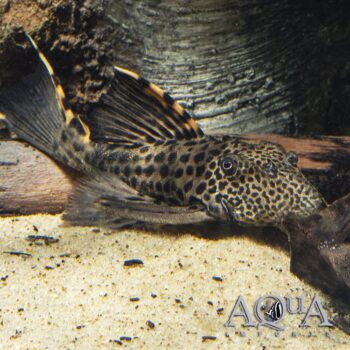
The Three Beacon or Redfin Black Spot Pleco is a distinctively colored pleco found in the upper Orinoco in Colombia and Venezuela, where they tend to be found in rocky, fast-moving waters. More carnivorous than many other plecos, they should be fed accept a variety of protein rich sinking prepared foods. They can be aggressive and territorial for a pleco and should be provided with ample hides and rockwork in the aquarium.
-
$5.99
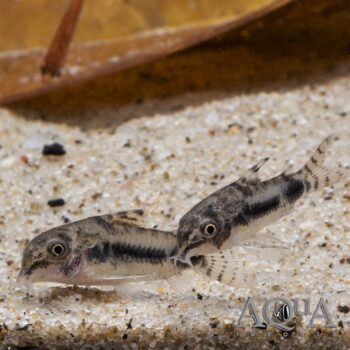
One of the smallest species of Cory, the Habrosus Cory or Salt and Pepper Pygmy Cory originates in slow moving shallow waters along the Llanos region of the Orinoco Basin in Colombia and Venezuela. This highly social species is usually found in large groups and should be kept in schools of at least 10 in the aquarium. Like most corys, they use their barbels to find food in fine, sandy substrate and will do best under similar conditions in the aquarium. Ideal for planted or shrimp tanks due to their small size and peaceful nature.
-
$3.99 – $4.99Price range: $3.99 through $4.99
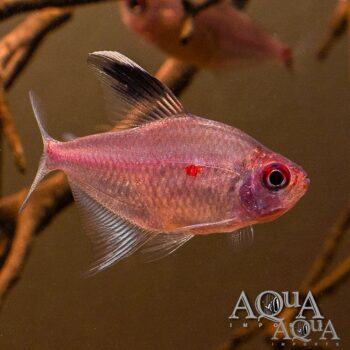
The Bleeding Heart Tetra is an inhabitant of soft, acidic blackwater rivers throughout the middle Amazon, where it is typically found in large shoals. They are named for the distinctive deep red spot found on their ventral surface and the overall bright pink body color adult fish display. A larger species of tetra, they are best kept in groups of 5 or more and make an impressive centerpiece for a medium to large planted aquarium.
-
$2.99 – $3.79Price range: $2.99 through $3.79
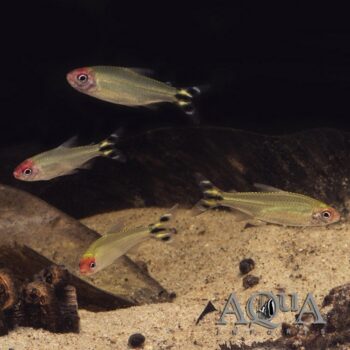
A hobby classic, the Rummynose Tetra has been popular with generations of aquarium keepers due to its high contrast coloration, peaceful nature, and active schooling behavior. In the wild, they are found in the Orinoco drainage in Colombia, Venezuela, and Brazil, typically in large shoals in shallow, flooded forest habitat. This species is one of several closely related and extremely similar species collectively known as Rummynose Tetra in the hobby, with Petitella bleheri coming from the Rio Negro in Brazil and Petitella georgiae from Peru also sometimes encountered. The Rummynose Tetra’s characteristic red “nose” is a good indicator of water quality as it will be most vibrant when the fish are healthy and in warm, slightly acidic water. Best kept in groups of 10 or more fish, they make ideal inhabitants for medium to large planted tanks.
-
$14.99
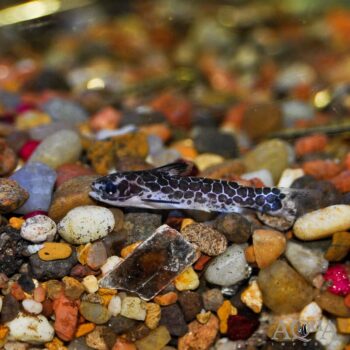
A unique and beautifully patterned driftwood catfish found in the Nanay and Amazon rivers in Peru, the Violet Spotted Woodcat sports a pattern of reticulated spotting on a background of pale violet, which can vary based on water conditions. Like most of its relatives, it spends most of its time hidden among submerged logs and tree roots, emerging at night to feed. In the aquarium they are hardy and undemanding, but seem to do best in small groups.
-
$21.99
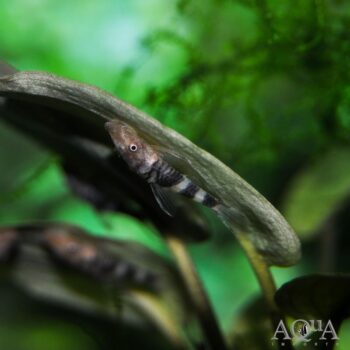
A beautifully and distinctively marked dwarf relative of the common Otocinclus, the Orange Zebra Oto inhabits the upper Rio Nanay in Peru, where it spends most of its time grazing on submerged driftwood and vegetation. An ideal algae eater for most community or planted aquariums, they will eat filamented algae and diatoms from most surfaces, including the aquarium glass. Like most of their close relatives, they are best kept in groups.
-
$174.99 – $249.99Price range: $174.99 through $249.99
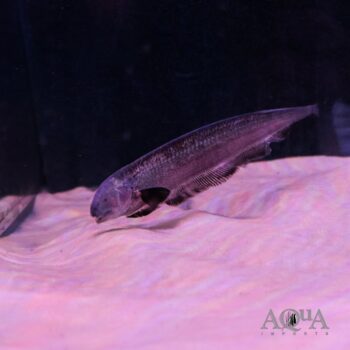
The Natterer’s Knifefish (Sternarchogiton nattereri) is extremely rare species of knifefish is found throughout much of the middle Amazon, where it inhabits mats of floating vegetation in low to moderate flow areas and feeds primarily on insect larvae. Adult males of the species develop a jaw full of huge, protruding teeth and were once thought to represent another genus and species entirely (Oedemognathus exodon). Males are thought to use these teeth in territorial disputes against other adult males, although the species is generally peaceful toward one another so long as they are provided with ample hides and cover.
-
$29.99 – $69.99Price range: $29.99 through $69.99
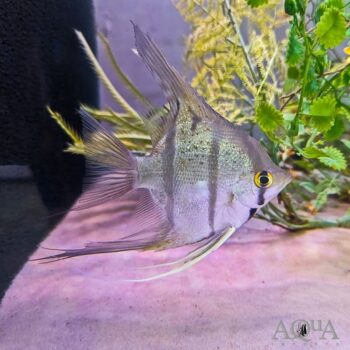
A distinctive regional variant of freshwater Angelfish, the Rio Nanay Angel is also called by the trade name “Peru Altum” although it is not the true Altum Angel (Pterophyllum altum) from the Orinoco basin of Colombia and Venezuela. This Angel is named for its collection locality, the middle Rio Nanay in Peru, a tributary of the middle Amazon. One of the characteristics that distinguishes this naturally occurring form of angel is its vivid reddish or pink spots which become more prominent with age. In the wild the Rio Nanay Angel is found in warm, acidic, heavily tannin-stained waters close to fallen branches or submerged driftwood piles. In the aquarium, they will do best when kept under similar conditions, ideally in a group of at least 5 fish and with plenty of cover. Like all freshwater angelfish, they are peaceful for a cichlid and will coexist with a wide range of tankmates provided they are not overly aggressive or small enough to become a meal.
-
$59.99 – $159.99Price range: $59.99 through $159.99
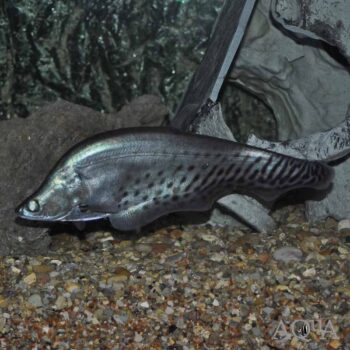
An uncommon and beautifully marked species of knifefish, the Royal Clown Knife (Chitala blanci) is found in fast-moving waters of the middle Mekong along the Thailand – Laos border. A predatory species with a surprisingly large mouth, they can easily eat fish up to 1/3rd their size in many cases. Despite their predatory nature, they are peaceful towards nearly all tankmates too big to be eaten. Often shy at first, they will do best in an aquarium with ample hiding spaces and moderate to strong water movement. Over time, they will become more bold and active in the aquarium and larger specimens make impressive display fish with their vivid silver sheen, long undulating fin, and striking reticulated pattern of black markings which typically grows more intricate as the fish grows.
-
$6.99
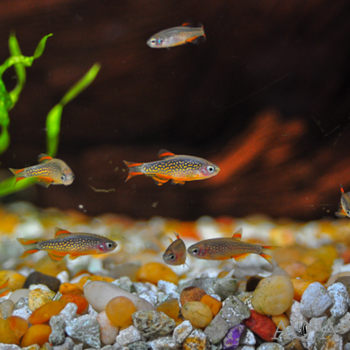
One of the most beautifully patterned nano fish in the aquarium hobby, the Celestial Pearl Danio, Galaxy Rasbora, or simply “CPD” as it is often referred to originates in the shallow waters of Eastern Myanmar and Northern Thailand. In the wild, it has a limited distribution but the species is now commercially bred on a large scale for the aquarium trade. The Celestial Pearl Danio is a peaceful schooling fish ideal for smaller aquariums and is extremely popular with aquascapers and planted tank hobbyists due to its vivid colors and small adult size. Hardy and undemanding, they will readily accept most flake or small granulated foods. Good water quality, a varied and protein rich diet and plenty of cover in the form of live plants, driftwood, or artificial decor will ensure these tiny gems display their most vivid coloration in the aquarium.
-
$14.99 – $39.99Price range: $14.99 through $39.99
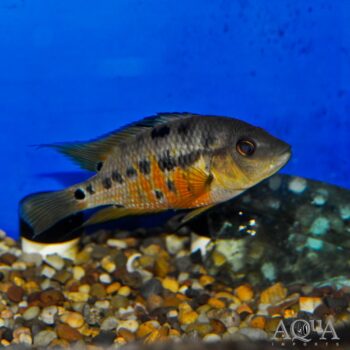
An uncommon and smaller growing cichlid from the coastal drainages of Colombia, M. atromaculatus is one of the less aggressive species of its genus (although it is still very much a cichlid). In the aquarium, they are hardy and undemanding and will generally pair off as they grow. Provide ample cover as they will become territorial as adults.
-
$199.99 – $449.99Price range: $199.99 through $449.99
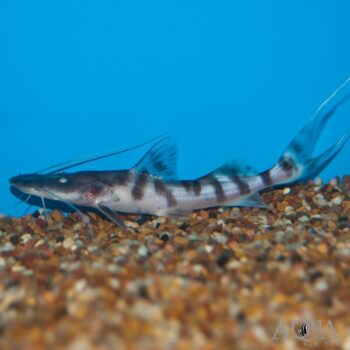
A remarkably patterned, large-growing predatory catfish, the True Tigrinus catfish is found throughout the middle Amazon in Brazil and Peru, where it is a prized food fish. Juvenile fish are grayish at first, developing their distinct striping pattern as they grow. Tigrinus Catfish tend to be found in fast-moving stretches of murky water, and they rely on their sensitive barbels much more than their limited eyesight to find prey. In the aquarium, they prefer dim lighting, ample hiding places, and pristine water quality (maintaining high levels of dissolved oxygen is especially important).
-
$99.99 – $159.99Price range: $99.99 through $159.99
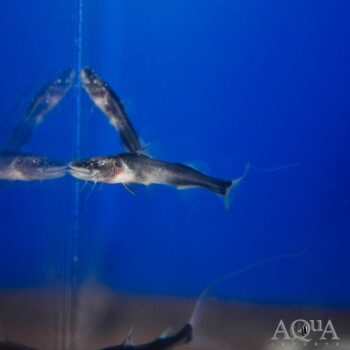
Although many large Amazon catfish are known as “Dorado”, this species is among the largest growing and most distinctive. With its uniform metallic silver coloration and torpedo-like hydrodynamic shape, the Dorado is an impressive fish, but one suitable only for enormous custom aquariums or large indoor ponds. In the wild, this fish inhabits deep stretches of turbid, sediment rich rivers and streams, where it relies on its sensitive barbels to find and catch prey. Like many of the giant Amazonian catfish, they are sensitive to water quality and will require massive filtration and regular large water changes to thrive. A fish for experienced, specialist aquarium hobbyists with the resources to keep them long term only.
-
$99.99 – $499.99Price range: $99.99 through $499.99
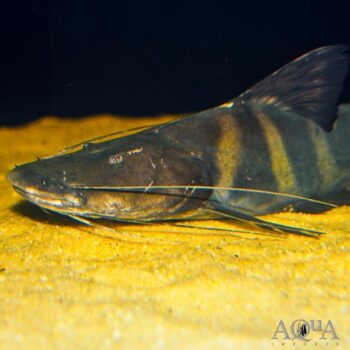
A remarkably patterned, large-growing predatory catfish, the Juruense or False Tigrinus is widely distributed throughout the Amazon Basin, where it is a prized food fish. Although juvenile fish tend to be a drab dark gray with some striping, as they grow this fish will develop a striking pattern of black stripes on an off white or occasionally even cream-colored background, extending to the intricately striped tail. The rare and sought after “flash” variant of this species displays very light white or yellow base coloration with an elaborate stripe pattern. These catfish tend to be found in fast-moving stretches of murky water, and they rely on their sensitive barbels much more than their limited eyesight to find prey. In the aquarium, they prefer dim lighting, ample hiding places, and pristine water quality (maintaining high levels of dissolved oxygen is especially important).
-
$12.99 – $59.99Price range: $12.99 through $59.99
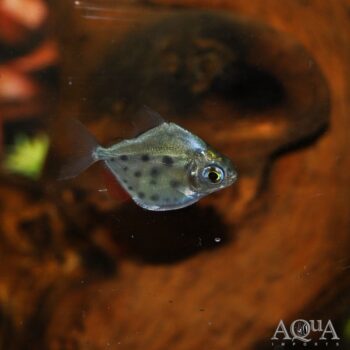
A colorful and attractively marked relative of the common Silver Dollar – a longtime hobby favorite – the Spotted Silver Dollar is a large schooling fish found throughout much of the Amazon basin. Although it grows to a fairly large size as an adult, it is one of the smaller species in the genus and is a hardy and active aquarium fish and make excellent dither fish for large cichlids or in a mixed species community tank of appropriate size. An omnivore in nature, they will eat almost any food offered but should be given a varied diet including some vegetable based foods.
-
$18.99
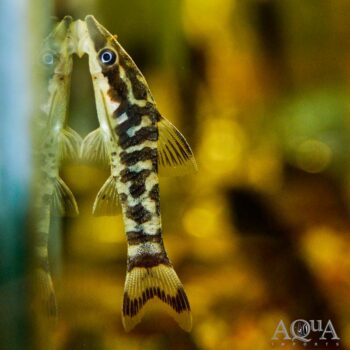
A beautifully and distinctively marked relative of the common Otocinclus or Oto Cat, the Rio Tigre Zebra Oto inhabits Peru’s Rio Tigre, where it spends most of its time grazing on submerged driftwood and vegetation. An ideal algae eater for most community or planted aquariums, they will eat filamened algae and diatoms from most surfaces, including the aquarium glass. Like most of their close relatives, they are best kept in groups.
-
$49.99 – $119.99Price range: $49.99 through $119.99
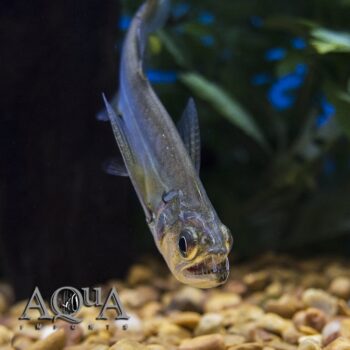
One of the most distinctive predators of the Amazon, the Sabertooth Barracuda or Payara is found throughout much of South America, where it tends to inhabit waters with moderate to strong current. With their unique, flattened body shape, they spend most of their time hanging motionless against the direction of the water flow, waiting for prey to drift by. They use lightning-fast reflexes and their namesake saber-like teeth to grab hold of their prey, which can be fish up to half their own size. In the aquarium, payara often require live foods – at least at first – and do best in well-oxygenated water with plenty of water movement.
End of content
End of content