Showing 1776–1800 of 2362 resultsSorted by latest
-
$7.99
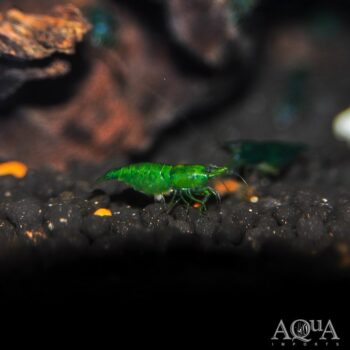
The Green Jade Shrimp is a selectively bred form of Neocaridina freshwater shrimp developed for its vivid, uniform green coloration. Like most related species and variants, it is hardy and undemanding in the aquarium, and will do well with other Neocaridina tankmates although fish should be chosen with caution. An omnivore by nature, they will do best with a diet high in vegetable matter or algae and with ample cover in the aquarium in the form of plants or hardscape. Our green jade shrimp are exclusively sourced from top quality breeders in Taiwan and selected for consistent deep jade coloration.
-
$16.99
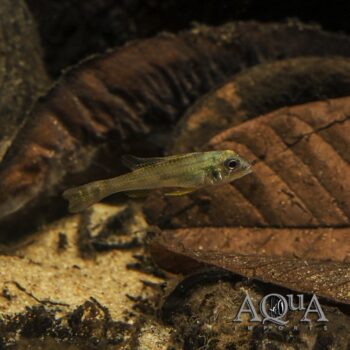
A unique and uncommonly available species, the Orinoco Fairy Dwarf Cichlid (Biotecus dicentrarchus) is found throughout the Orinoco basin but is not frequently encountered. It is closely related to B. opercularis, which is found in several Amazon tributaries. In the wild, they tend to be found in extreme shallows in open water over fine sand substrate, where males will defend a small territory from rivals. This species is typically found in highly acidic, blackwater areas and will do best with warm, soft water in the aquarium. A somewhat shy species, it can be difficult to ensure they receive adequate food in a community aquarium and ideally they should be kept in a species tank or with other docile, slow moving species.
-
$19.99 – $24.99Price range: $19.99 through $24.99
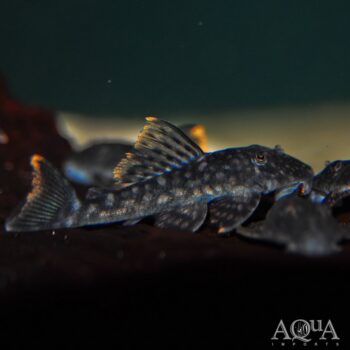
A small growing pleco found in the Rio Ventuari and its tributaries in Venezuela, the L106 Orange Seam Pleco is named for the vibrant orange trim along the outer edges of its dorsal and caudal fins . In the wild, they are found in warm, acidic, fast-moving waters and will do best in similar conditions in the aquarium. A hardy and easy to care for pleco, they will do well with most tankmates but should be given plenty of cover in the form of driftwood or caves so they can establish territories. This species will eat a variety of sinking, gel, and fresh foods in the aquarium, and should be offered a varied diet high in protein.
-
$5.99
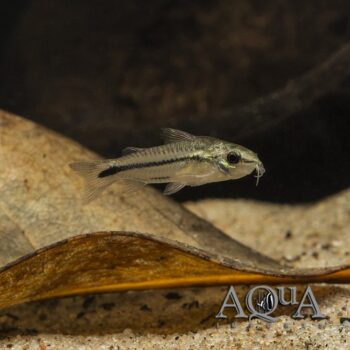
One of the smallest species of Cory and an ideal, active schooling fish for the aquarium, the true Pygmy Cory is found in the middle and upper Amazon and Napo rivers in Colombia, Brazil, and Peru. In the wild, they are usually found in shallow stretches of whitewater or clearwater creeks or seasonally flooded forest. This species is a true shoaling fish which aggregates in groups of hundreds to thousands in nature, and unlike most Corydoras will spend a substantial amount of time swimming in the water column rather than on the substrate. In the aquarium, they will exhibit this same ‘swarming’ behavior and constant activity if kept in groups of 10 or more. With their small adult size and compatibility with almost any other small fish or invertebrate, they are an extremely popular addition to planted and shrimp tanks. Our tank raised Pygmy Corys are bred in captivity and will adapt to aquarium life easily, making them a good choice for beginner to intermediate hobbyists.
-
$69.99 – $99.99Price range: $69.99 through $99.99
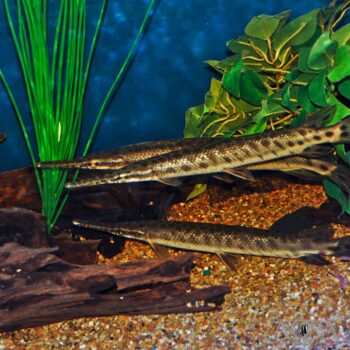
The Florida gar is one of the more common species in its family, found throughout the temperate and subtropical waters of the Southeastern United States. Like all gar, they are predators, feeding on fish, frogs, and vertebrates. In the wild, these fish can reach 3 feet or more in length, and should be considered only suitable for the largest custom aquariums or large ponds. With its range in warmer regions, this species is more tolerant of tropical temperatures than many of its relatives but still prefers water on the cooler side than most aquarium fish.
-
$19.99 – $22.99Price range: $19.99 through $22.99
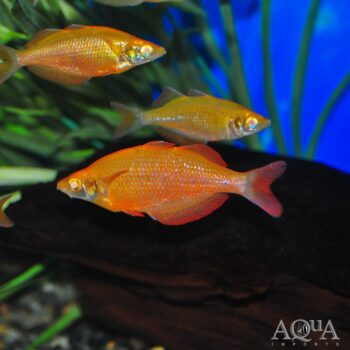
A striking, brilliant orange Rainbowfish, the Albino Orange Millennium Rainbow is a xanthic color morph of the medium growing Glossolepis pseudoincisus. A peaceful, active schooling fish, they will do best in an aquarium with plenty of open swimming space and some cover in the form of plants or driftwood. Like most rainbowfish, this species is hardy and adaptable, but will do best in neutral or slightly alkaline water. As a schooling fish, they should be kept in groups of 5 or more, and will actively school with other similarly sized rainbows. Like most of its relatives, males of this species are typically more vividly colored than females but both sexes of the albino form are extremely colorful.
-
$4.49
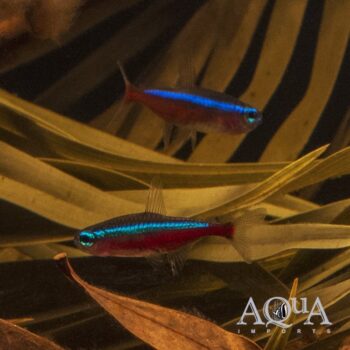
One of the most popular and instantly recognizable freshwater aquarium fish, the Cardinal Tetra originates from the dark, acidic waters of the Negro and Orinoco River basins in Brazil, Colombia, and Venezuela. With their vivid red and blue coloration, peaceful demeanor, and schooling behavior they are one of the best aquarium fish species in the hobby for beginners and experienced hobbyists alike. Best kept in groups of 10 or more fish, they will get along with most other peaceful tankmates and will thrive in most setups. Wild cardinals collected from the middle Rio Negro in Brazil help support the sustainable aquarium fishery in the region which has been the focus of Project Piaba for over 25 years. For more information on this fishery and how it supports habitat preservation, visit www.ProjectPiaba.org
-
$64.99 – $74.99Price range: $64.99 through $74.99
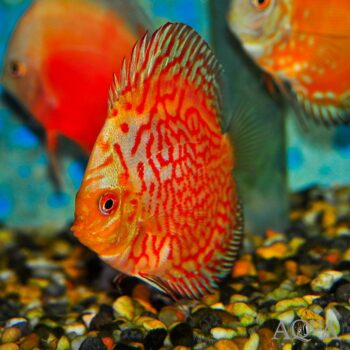
Long considered the most beautiful of all freshwater aquarium fish, the discus remains a popular fish for serious hobbyists. Discus originate from the warm, acidic waters of Amazon tributaries in Brazil and Peru and are typically found in large groups. The many wild forms of discus have been selectively bred to create dozens of colorful strains, including the Red Pigeonblood, which is known for its ornate pattern of red reticulation on a white body. In the aquarium, regular large water changes, a protein-rich varied diet, and warm water temperatures (78-84) will create ideal conditions for these fish to thrive. Like all discus, they will do best in soft, slightly acidic water but will reward patient aquarists with spectacular coloration.
-
$44.99 – $59.99Price range: $44.99 through $59.99
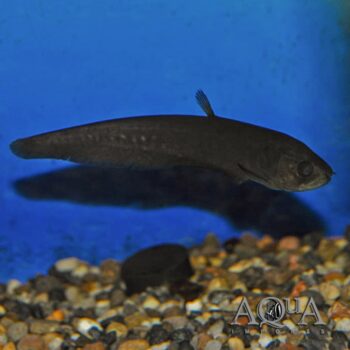
This rarely imported knifefish is a close relative of the more well known Afer or Pom Pom Knife (P. afer) and is found in slow moving streams in the Congo river basin in Central Africa. It is fairly bold for a knifefish and can be aggressive toward some tankmates, so is best suited to an aquarium with similarly-sized fish. They will appreciate some cover in the form of driftwood or aquatic plants (live or artificial).
-
$5.99
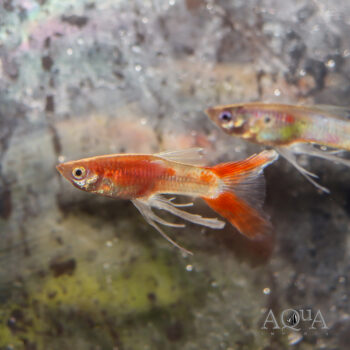
An aquarium hobby classic, the guppy is a livebearing species found through parts of Central and Northern South America but it has been bred worldwide for the aquarium hobby for over a century. In that time, the wild form has been developed in to dozens of varieties and color forms, including cobra patterns, delta tails, tuxedo, and many more. A peaceful, hardy, and active fish, they are often recommended for beginners due to their ease of care. Male guppies tend to be more colorful and have much larger, vividly colored tails while females tend to be larger and more heavy bodied.
-
$4.99
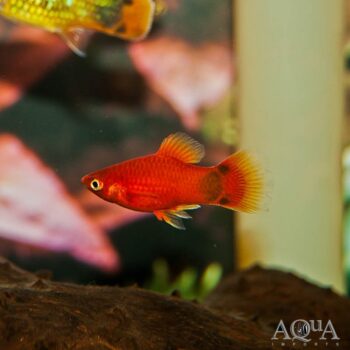
An aquarium hobby classic, the Platy is a livebearing species found through parts of Central America but it has been bred worldwide for the aquarium hobby for decades. In that time, the wild form has been developed in to dozens of varieties and color forms, including the popular Mickey Mouse, Blue, Tuxedo, and more. A peaceful, hardy, and active fish, they are often recommended for beginners due to their ease of care.
-
$4.99 – $5.99Price range: $4.99 through $5.99
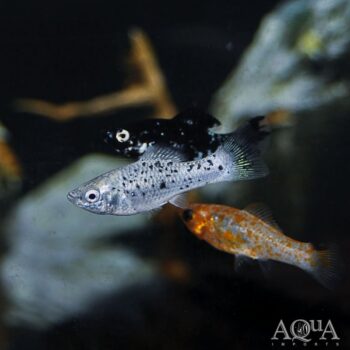
An aquarium hobby classic, the Molly is a livebearing species found through parts of Central America but it has been bred worldwide for the aquarium hobby for decades. In that time, the wild form has been developed in to dozens of varieties and color forms, including ‘Dalmatian’, Black, Gold, and others. Relatively peaceful, Mollies are hardy, and active fish but may bully smaller or more slow moving tankmates. They are often recommended for beginners due to their ease of care. A livebearing species, they will readily breed in the aquarium.
-
$4.99 – $5.99Price range: $4.99 through $5.99
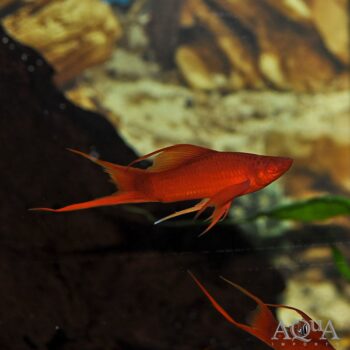
An aquarium hobby classic, the swordtail is a livebearing species found through parts of Central America but it has been bred worldwide for the aquarium hobby for decades. In that time, the wild form has been developed in to dozens of varieties and color forms, including the popular red brick, tuxedo, pineapple, and many more. A peaceful, hardy, and active fish, they are often recommended for beginners due to their ease of care. Male swordtails display the prominent lower tail fin extension that the species is named for, and females tend to be larger and more heavy bodied.
Assortment note: Our assortment includes a variety of strains including red, green neon, red tuxedo, black, and others. If you have a specific color you’d like you can request it in the order notes and we will make our best effort to select that color if possible. Assorted swordtails are sold at a sex ratio of approximately 2 females to 1 male.
-
$14.99
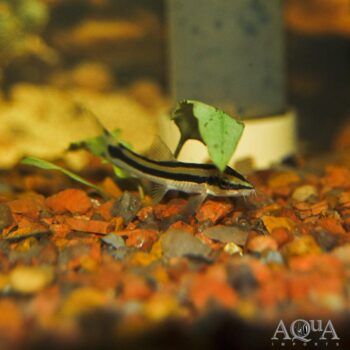
A dwarf species of Botia or Loach found in Southern Chinaa and Northern Laos, A. nigrolineata is a rarity in the aquarium hobby. Like its more well known close relative, the Dwarf Chain Loach or Sidthimunki Botia, it is a peaceful, active schooling fish ideally suited to most community or planted tanks. Like most Botias and Loaches, they are social fish and should be kept in groups of at least 3 to 5 specimens.
-

$24.99 – $29.99Price range: $24.99 through $29.99
A popular brackish water aquarium fish, the Scat occurs in three distinct color forms (green, silver, and red) which were once thought to be different species but are now all considered to be variants of the extremely widespread S. argus. Found along nearly every coastline of the Indo-Pacific region, scats are amphidromous, which means they regularly move between freshwater in marine habitats. Although they are sometimes marketed as a freshwater fish (and can be kept as such as juveniles), scats will do best in brackish or marine aquariums. The ruby scat is the least common color variant of S. argus, and is typically found in estuaries and mangrove forests. Although juvenile scats can tolerate pure freshwater for a while, they will need to be transferred to a brackish or full marine aquarium later in life. A social fish often found in large aggregations, they do well in groups of 5 or more.
-
$7.99 – $10.99Price range: $7.99 through $10.99
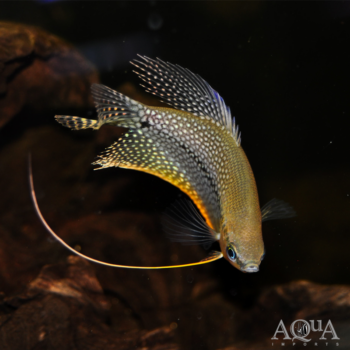
A beautifully patterned gourami found throughout much of Southeast Asia, the Pearl or Leeri Gourami is found in shallow, slow moving waters in the wild, usually close to vegetation. In the aquarium, they are a hardy and adaptable species but can be territorial towards other fish, especially other gouramis. They are best kept in groups of five or more to diffuse any aggression between individuals and prefer a well planted aquarium with plenty of cover.
-
$14.99 – $19.99Price range: $14.99 through $19.99
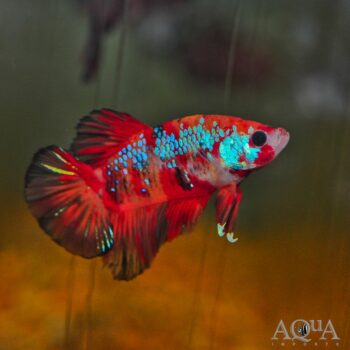
Probably the single most popular fish kept around the world, the Betta or Siamese Fighting fish has been popular in its native Thailand for centuries, and has been bred into dozens of color forms and strains. The Short Fin Koi Betta is named for its pattern of red, orange, and black like calico or tricolor Koi. Incredibly hardy, and with the ability to breathe air from the surface, these fish are popular “bowl fish” but really will do best in a small aquarium with a heater and some form of filtration. As their name implies, males of this species will fight and must be kept singly but females can be kept in groups.
-
$14.99 – $17.99Price range: $14.99 through $17.99
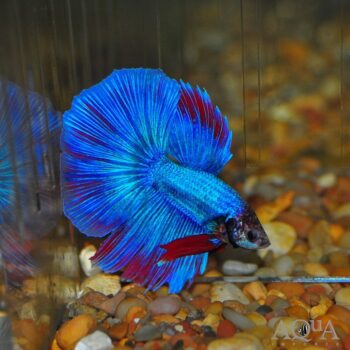
Probably the single most popular fish kept around the world, the Betta or Siamese Fighting fish has been popular in its native Thailand for centuries, and has been bred into dozens of color forms and strains. The halfmoon or moontail variant is a popular strain with an elaborate full tail which creates a half-moon shape when extended . Incredibly hardy, and with the ability to breathe air from the surface, these fish are popular “bowl fish” but really will do best in a small aquarium with a heater and some form of filtration. As their name implies, males of this species will fight and must be kept singly but females can be kept in groups.
Assortment note: Our assortment includes a variety of colors. If you have a specific color you’d like you can request it in the order notes and we will make our best effort to select that color if possible.
-
$5.99
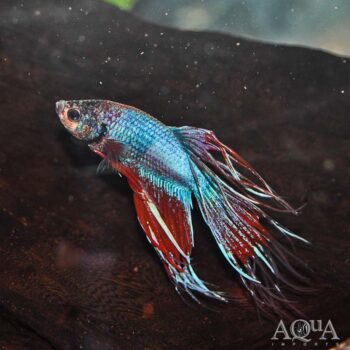
Probably the single most popular fish kept around the world, the Betta or Siamese Fighting fish has been popular in its native Thailand for centuries, and has been bred into dozens of color forms and strains. The crowntail variant is one of the more popular strains and is named for its impressive split finnage . Incredibly hardy, and with the ability to breathe air from the surface, these fish are popular “bowl fish” but really will do best in a small aquarium with a heater and some form of filtration. As their name implies, males of this species will fight and must be kept singly but females can be kept in groups.
Assortment note: Our assortment includes a variety of colors including blue, red, green, purple, and others. If you have a specific color you’d like you can request it in the order notes and we will make our best effort to select that color if possible.
-
$34.99 – $39.99Price range: $34.99 through $39.99
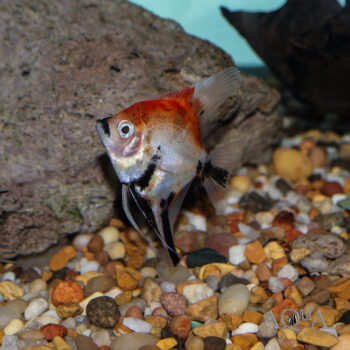
A distinctive and rare line bred form of the common Angel (Pterophyllum scalare), the Red Devil or Super Red Angel is a popular variant due to its vibrant deep red coloration. Like all angels, they do best in a large, tall, planted aquarium with plenty of cover. As a cichlid, they can be moderately aggressive towards one another (especially as adults) but generally do well in a large enough group, usually 5 or more. Most other non-cichlid tankmates will be left alone but they will hunt and eat very small fish or invertebrates. Angels are somewhat sensitive to water quality so care should be taken to avoid large fluctuations in water conditions and partial water changes should be performed regularly.
-
$7.49
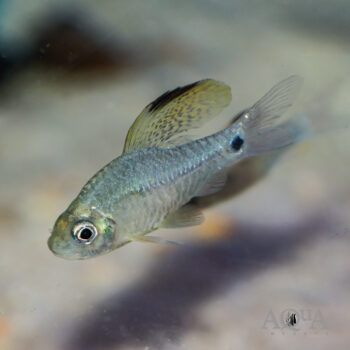
A small, peaceful barb found in clear water streams in Northeastern India, the Drape Fin or High Fin Barb (Oreichthys crenuchoides) is named for the spectacular large dorsal fins of adult males, which are used in mating displays. A shoaling fish, they are found in large aggregations in the wild and should be kept in groups of at least 5 fish in the aquarium. The Drapefin Barb is somewhat timid and will do best in a planted aquarium or one with ample cover and subdued lighting. Hardy and active, a group makes for an impressive centerpiece for an aquascaped or planted nano aquarium.
-
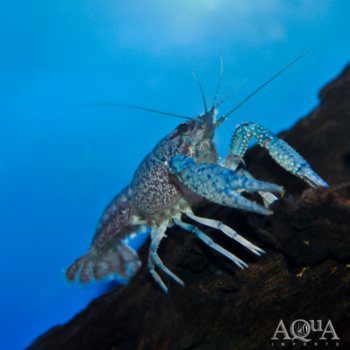
$19.99
The Electric Blue Crayfish (Procambarus alleni) is native to the Southeastern United States. Known to be an active forager, these crayfish will appreciate a myriad of spaces to hide and explore in your aquascape. The Electric Blue Crayfish is omnivorous and will readily accept both meaty and plant-based foods. Be sure to carefully choose tankmates for these crayfish, as they will eat almost anything they can get their claws on!
Prohibited in some areas – check local and state regulations before purchasing
-
Sale!
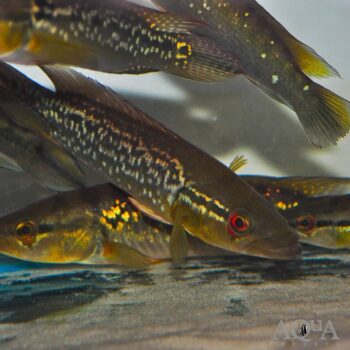
$69.99 – $74.99Price range: $69.99 through $74.99
This rare, medium-sized Pike Cichlid from Suriname is considered part of the “saxatilis group” of pikes which includes most of the gold spangled or gold spotted species. Little is known about its habits and habitat in the wild, but like most saxatilis-type pikes are medium-growing, relatively peaceful species (for a pike).
-
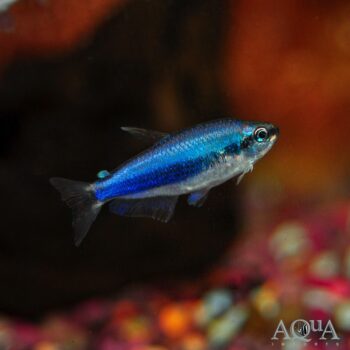
$7.99
A colorful, smaller growing characin known from the upper Rio Madeira in Brazil, the Super Blue Emperor or Super Blue Kerri Tetra is deservedly popular in the aquarium hobby and has been commercially bred for years to the point where wild collected specimens are almost never exported. In the wild, they inhabit slow moving, warm, acidic streams but will adapt to a wide range of conditions in the aquarium. Like most of their close relatives, they are a loosely schooling species that will do best in groups of 5 or more and will get along well with most similarly sized, peaceful tankmates. Subdued lighting, plenty of cover in the form of driftwood or plants, and slightly soft water will help promote vibrant coloration.
-
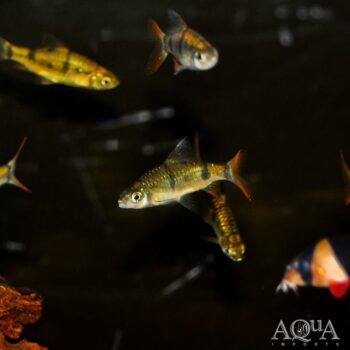
$7.99
An attractive, large-growing barb found in Southwestern India, the Arulius Barb inhabits clear water streams and rivers with moderate to fast flow. A shoaling fish, they are found in large aggregations in the wild and should be kept in groups of at least 5 fish in the aquarium. Both sexes will show impressive coloration as mature adults, but males will also develop elaborate dorsal filaments like most species in the genus. A fast-moving and aggressive feeder, they should be kept with equally large and active tankmates in the aquarium.
End of content
End of content