Showing 1001–1025 of 2362 resultsSorted by latest
-
$44.99
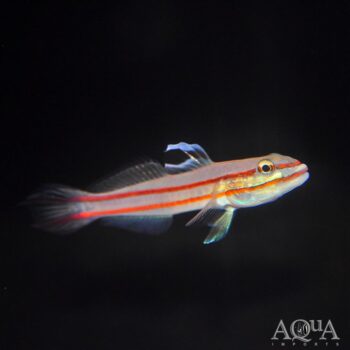
The Railway Sleeper Goby (Valenciennea helsdingenii), also known as the Sand Sifter Goby, is native to the tropical seas of Southeast Asia and extending down towards Australia. These fish have a naturally timid temperament and will spend most of their time down in the sandy substrate. They are generally peaceful micropredators and feed by sifting through the sand, keeping your substrate well oxygenated as well as adding a striking splash of color and personality to your setup.
-
$74.99
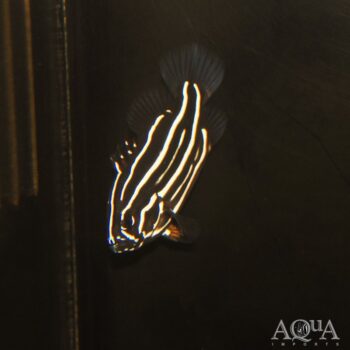
The Sixline Soapfish (Grammistes sexlineatus), also known as the Sixline Grouper, Sixstripe Grouper or the Goldenlined Soapfish, is native to the tropical waters and rocky coral reefs of the Indo-Pacific. These are solitary fish, preferring to stay hidden during the day and come out at night to hunt. Be aware, these fish are known to eat almost any species smaller than, or the same size, they are. The name “soapfish” comes from the toxin they secrete on their skin when threatened, as it is said to resemble lathered soap. In case they do “soap up”, it is best to keep these fish in a large tank to avoid poisoning any tankmates. Sixline Soapfish can grow up to 11.5 inches long.
-
$69.99
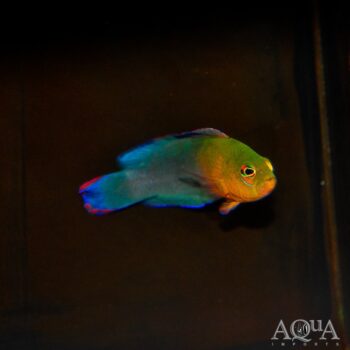
Product description coming soon.
-
$399.99
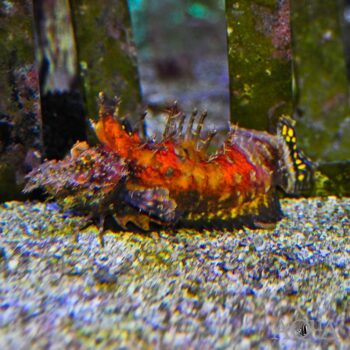
The Bearded Ghoul/Demon Stinger (Inimicus cf. didactylus) is a species of scorpionfish or stonefish (Synanceiidae) native to lagoons and reefs of the Indo-West Pacific. These stonefish have bright red or pink bodies with intricate yellow and black patterning on their fins. They require a substrate that allows them to bury themselves and camouflage, such as fine sand or coral gravel. As adept carnivorous predators, make sure that any tankmates are too large to be considered food. Be careful in their tank, as these rare oddball fish have highly venomous spines on their fins.
-
$399.99
Product description coming soon.
-

$59.99
The Dusky Ghost Knifefish (Adontosternarchus cf. clarkae) is an attractive, outgoing species that is relatively rare in the hobby. A medium growing fish with a maximum size of only about 8 inches, this knifefish is generally peaceful towards conspecifics and nearly all tankmates. They can be distinguished from other similar species by their unique gray mottled pattern. In the aquarium, they will do best in somewhat soft water and require plenty of hiding places in the form of driftwood, plants or caves. The Dusky Ghost Knife will readily accept small frozen foods.
-
$399.99
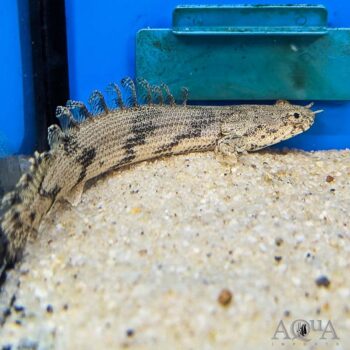
The Endlicheri Bichir or Saddled Bichir is a widespread species of Polypterus which inhabits various slow-moving shallow water habitats throughout much of West and Central Africa. It is a large growing and very heavy bodied Bichir, reaching sizes of over 30″ in the wild, and requires an appropriately large aquarium to house long term. Polypterus endlicheri is one of several so-called “lower jaw” group of Polypterus, so named for their distinctive heavy lower jaw that protrude over the upper lip. In the aquarium, they are hardy and undemanding like most bichir species, but should be kept with a tight-fitting and possibly weighted lid as they will attempt to jump if spooked or at night.
-
$8.99
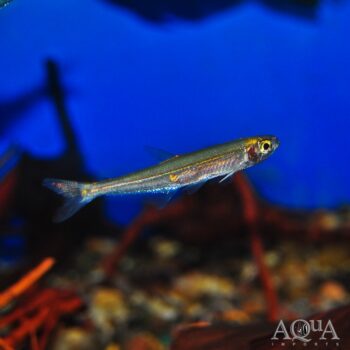
A unique and rarely seen characin found throughout the Orinoco and Amazon River basins in South America, the Green Line Lizard or Slender Tetra (Iguanodectes spilurus) is a medium sized schooling fish that inhabits clear waters with sandy bottoms and heavy vegetation growth. Like most tetras, they prefer to be kept in a small group or school of at least 5 individuals.
-
$69.99 – $79.99Price range: $69.99 through $79.99
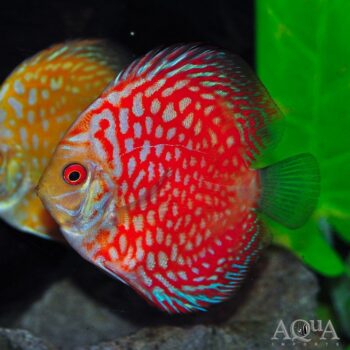
Long considered the most beautiful of all freshwater aquarium fish, the discus remains a popular fish for serious hobbyists. Discus originate from the warm, acidic waters of Amazon tributaries in Brazil and Peru and are typically found in large groups. The many wild forms of discus have been selectively bred to create dozens of colorful strains, including the Red Checkerboard, which is known for its ornate pattern of red reticulation on a white body. In the aquarium, regular large water changes, a protein-rich varied diet, and warm water temperatures (78-84) will create ideal conditions for these fish to thrive. Like all discus, they will do best in soft, slightly acidic water but will reward patient aquarists with spectacular coloration.
-
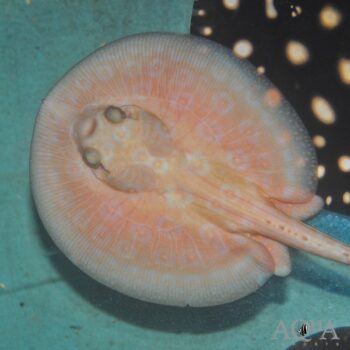
$999.99
Product description coming soon.
Illegal in: AZ, AR, CA, FL, GA, HI, MS, NV, OK, TX and UT
-
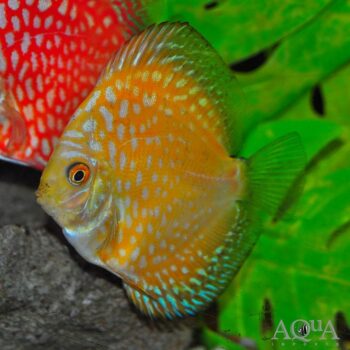
$89.99
Long considered the most beautiful of all freshwater aquarium fish, the discus remains a popular fish for serious hobbyists. Discus originate from the warm, acidic waters of Amazon tributaries in Brazil and Peru and are typically found in large groups. The many wild forms of discus have been selectively bred to create dozens of colorful strains, including the Yellow Pigeonblood, which is known for its ornate pattern of yellow reticulation on a white body. In the aquarium, regular large water changes, a protein-rich varied diet, and warm water temperatures (78-84) will create ideal conditions for these fish to thrive. Like all discus, they will do best in soft, slightly acidic water but will reward patient aquarists with spectacular coloration.
-
Sale!
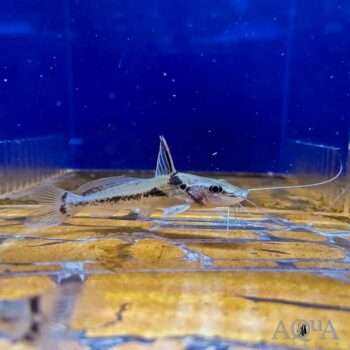
$39.99 Original price was: $39.99.$34.99Current price is: $34.99.
The Fox Face Catfish (Goeldiella eques), also known as the Fox Face or Horsehead Pimelodella Catfish, is a unique species of three-barbeled catfish native to assorted basins of the Amazon. They are a relatively large and peaceful freshwater giant, growing up to 10 inches long. Beware however, they will eat smaller fish given the opportunity! These fish will do best in tanks with sandy or gravel substrate, mellow lighting, and plenty of hiding spaces like driftwood.
-
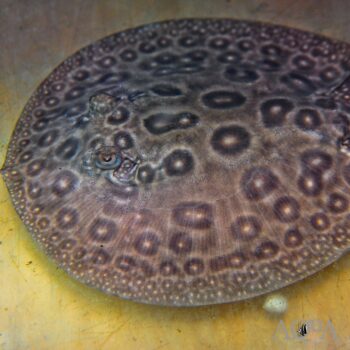
$399.99
Product description coming soon.
Illegal in: AZ, AR, CA, FL, GA, HI, MS, NV, OK, TX and UT
-
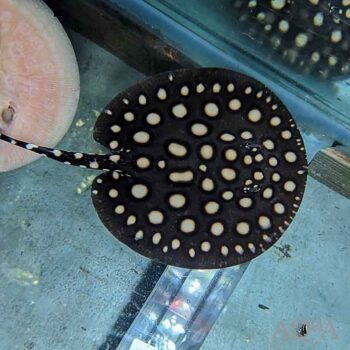
$899.99
The Black Diamond Stingray (Potamotrygon leopoldi), also known as the white-blotched river stingray or the polka-dot stingray, is a freshwater ray native to the Xingu River basin of Brazil. These are large fish, growing up to 42 inches in length. They are a rare find in the freshwater aquarium trade and are best suited for expert aquarists with the ability to house a large tank, pool, or pond. Black Diamond Stingrays require pristine water conditions, preferring clear waters and sandy bottoms that mimic their natural habitat.
Illegal in: AZ, AR, CA, FL, GA, HI, MS, NV, OK, TX and UT
-
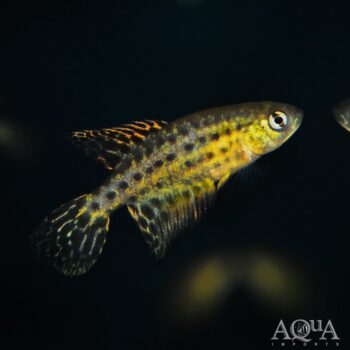
$12.99
Product description coming soon.
-
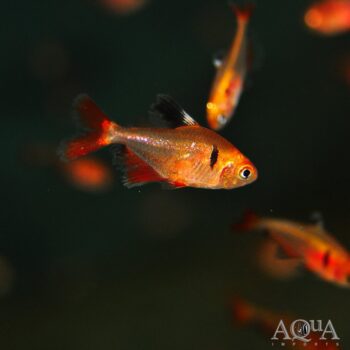
$4.49
Super Serpae Tetras (Hyphessobrycon eques), also known as Jewel Tetras or Red Minor Tetras, are characins native to the Amazon Basin. Their bright red coloration and hardiness make them a popular choice for freshwater community tanks. Make sure to keep these fish in groups with similarly-sized and temperament fish, as they can outcompete smaller, slow-moving tankmates! Like all tetras they are best kept in groups of five or more fish.
-
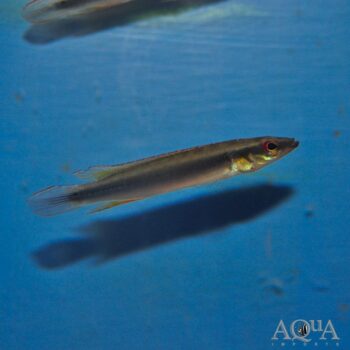
$14.99 – $19.99Price range: $14.99 through $19.99
One of the smaller species of Pike Cichlids, the Atabapo Dwarf is a relatively peaceful Crenicichla found in the warm, acidic waters of the Atabapo and the Orinoco tributaries in Colombia and Venezuela. A hardy and active species, they are usually found in groups in the wild and will form a distinct social hierarchy in the aquarium if given enough space. Be sure to provide plenty of cover for each fish to create and defend its own territory. Although they breed in pairs this species is optimally kept in groups of multiple males with a single or very few females, as mature females tend to be extremely aggressive towards each other and males when not kept in groups. This species will rarely bother other, larger tankmates.
-
$49.99
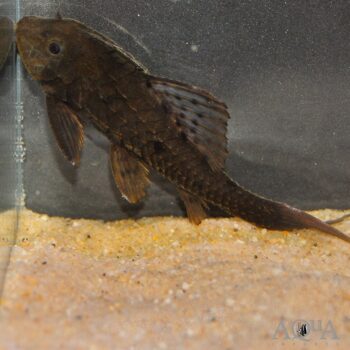
A rare and distinctly armored member of the Plecostomus group, the Orinoco Pinecone Pleco (Pseudorinelepis cf. genibarbis) is native to the Orinoco River Basin of Colombia. These oddball monster fish routinely grow over 12 inches long and have a generally peaceful temperament towards most tankmates, but can be territorial with other plecos. In the wild, it is usually found in sediment rich white water rivers close to large piles of driftwood or submerged logs.
-
$17.49 – $29.99Price range: $17.49 through $29.99
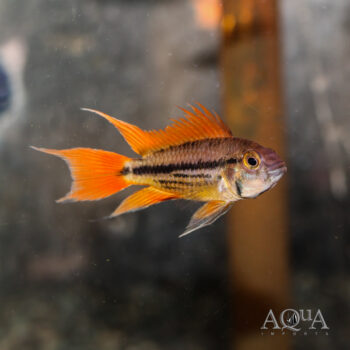
One of the most popular dwarf cichlids in the hobby, Apistgramma cacatuoides (also known as the Cockatoo Dwarf Cichlid) is an attractive and interesting addition to smaller community aquarium. They have been bred in the hobby for decades, resulting in a number of color morphs and strains. Males of the Mega Orange strain display vivid orange throughout the entire tail and dorsal fin. A hardy and relatively peaceful species, they are ideal for smaller aquariums and do best with ample cover in the form of plants, driftwood, and small caves.
A note on Apistogramma: Unless otherwise specified, Apistogramma are sold as unsexed individuals. We will make our best efforts to send pairs or a requested ratio of male to female but we do not guarantee sex on these fish. We recommend buying in groups to ensure adequate males and females for breeding.
-
$79.99
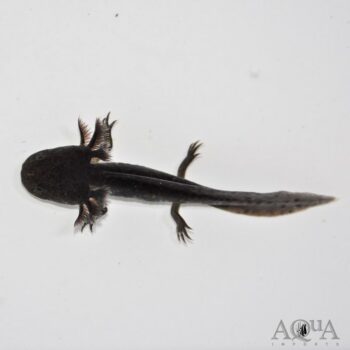
The Axolotl is a fascinating and unusual aquatic amphibian originating from the waterways surrounding Mexico City, where it is now considered an endangered species due to habitat loss and degradation. It is a close relative of the widespread Tiger Salamander found throughout much of the US but instead of emerging from water to live its adult form on land, the Axolotl remains in its juvenile aquatic form for its entire life, an evolutionary strategy known as neoteny. Due to their unique appearance and ease of care, Axolotls are popular aquatic pets and have been captive bred for the hobby for decades. In the aquarium, they will do best in relatively cool, well-oxygenated water and ideally should be kept individually, as they have the tendency to nip at the limbs and gills of other Axolotls or any tankmates. Hardy and undemanding, they should be provided a varied protein-based diet and either kept on a fine sand substrate or none at all, as they can ingest gravel or rocks accidentally.
-
$59.99
Procduct description coming soon.
-
$59.99
Product description coming soon.
-
$6.49
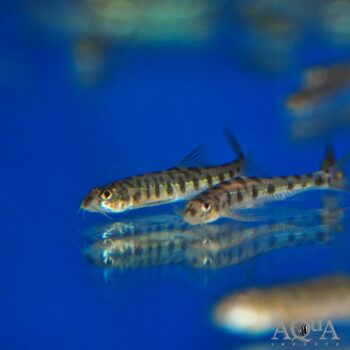
The Indian Polka Dot Loach (Nemacheilus corica), previously known Cobitis corica or Schistura punctata, is found along assorted tributaries of the Ganges River in India, Nepal, and Bangladesh. They are a relatively small member of the loach group, growing up to only 1.5 inches long. Indian Polka Dot Loaches will do best in a tank that mimics their natural habitat with clean, highly oxygenated moving water, plenty of hiding spaces, and fine sand or gravel. With their peaceful temperament, they are perfect for a variety of freshwater community tanks!
-
$19.99
Product description coming soon.
-
$11.99 – $14.99Price range: $11.99 through $14.99
Product description coming soon.
End of content
End of content