Showing 1026–1050 of 2362 resultsSorted by latest
-
Sale!

$149.99 Original price was: $149.99.$124.99Current price is: $124.99.
Belonging to the scorpionfish family, the Red Rooster Pygmy Waspfish (Paracentropogon zonatus), also known as the Bandtail Waspfish, is a rare fish to find in the aquarium hobby and is native to the tropical seas around Indonesia. These highly venomous fish have beautiful mottled red and white coloring covering their body. Beware, while these fish only grow up to 3 inches long, they are predatory and will eat almost any fish or invert species that can fit into their mouth!
-
$19.99 – $34.99Price range: $19.99 through $34.99
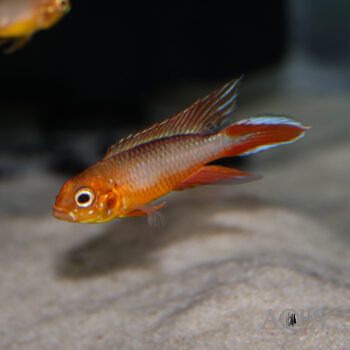
One of the most popular dwarf cichlids in the hobby, Apistgramma agassizi (also known as Agassiz’s Dwarf Cichlid) is an attractive and interesting addition to smaller community aquarium. They have been bred in the hobby for decades, resulting in a number of color morphs and strains. The Fire Red variant features a pale yellow body coloration with vivid red-orange along the dorsal surface and tail. A hardy and relatively peaceful species, they are ideal for smaller aquariums and do best with ample cover in the form of plants, driftwood, and small caves.
A note on Apistogramma: Unless otherwise specified, Apistogramma are sold as unsexed individuals. We will make our best efforts to send pairs or a requested ratio of male to female but we do not guarantee sex on these fish. We recommend buying in groups to ensure adequate males and females for breeding.
-
$24.99 – $29.99Price range: $24.99 through $29.99
Product description coming soon.
-
$4.99 – $7.99Price range: $4.99 through $7.99
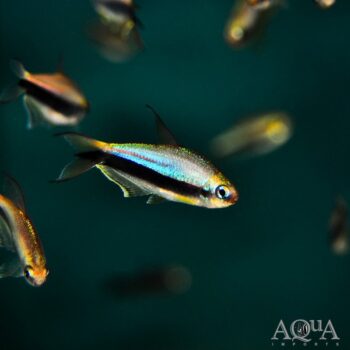
The Emperor Tetra (Nematobrycon palmeri) is a popular aquarium fish due to its vibrant iridescent body coloration and striking finnage. In the aquarium, they are hardy and adaptable, perfect for most medium community aquariums or planted/aquascaped tanks. Like most tetras they should be kept in groups of at least 5.
-
$9.99 – $17.90Price range: $9.99 through $17.90
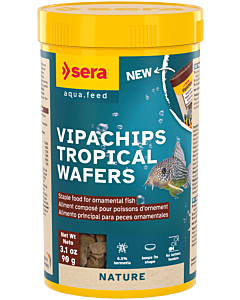
Vipachips Tropical Wafers is the staple food consisting of quickly sinking chips without dyes and preservatives for all fish eating at the bottom.
It contains insect meal as a high quality protein source which is also resource saving.
The balanced composition with natural ingredients and prebiotics allows for a nutrition particularly close to nature that supports healthy growth and strong development.
The quickly sinking chips retain their shape for a long time and thus optimally fulfill the feeding habits of bottom fish without polluting the water.
Shipping Note: All our foods and aquatic plants ship FREE with any live fish order; OR food/plant only orders ship for a flat rate of $10.99
-

$399.99
Product description coming soon.
-
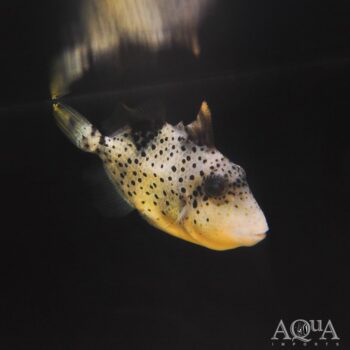
$99.99
Product description coming soon.
-
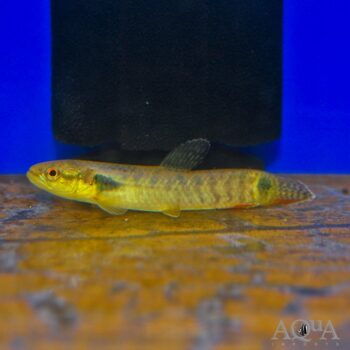
$59.99
The Orange Wolf is a smaller species of Erythrinus wolf fish found throughout the Amazon Basin in South America. A fast moving and aggressive predatory fish, they are likely to attack even larger tankmates and are best kept alone or with large, fast moving fish or heavily armored catfish. Smaller specimens can be shy at first and appreciate plenty of cover, and be sure to keep their tanks tightly covered as they are prone to jump if spooked.
-
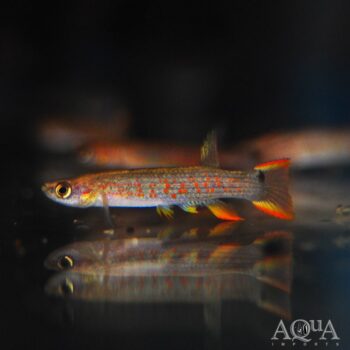
$9.99
Product description coming soon.
-
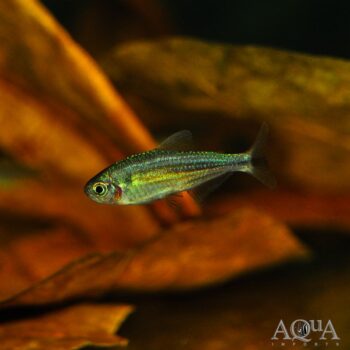
$19.99
The Zig Zag Tetra (Hyphessobrycon hexastichos), also known as the Six-stripe Tetra, is a rare and unusual fish in the freshwater trade. These unique, sought-after fish are recognized by their dorsal striping, often composed of blues, reds, greens, and silvers. Like other tetras, the Zig Zag Tetra is hardy and social, doing best in groups of 3 or more.
-
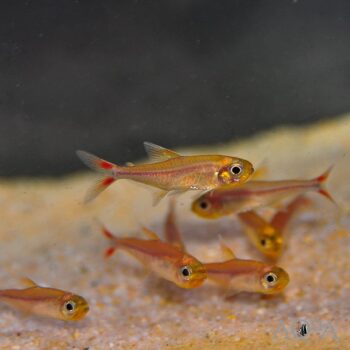
$12.99
Product description coming soon.
-

$64.99
Lebiasina can be found throughout the streams and rivers of South America. They are not commonly imported and rarely available in the hobby. Lebiasina multimaculata inhabit well oxygenated waters where they prey upon small fish and invertebrates. Lebiasina will readily accept frozen and pellet foods. They are considered to be hardy, while only reaching a size around 6″ making them an easy species to keep in the aquarium.
-
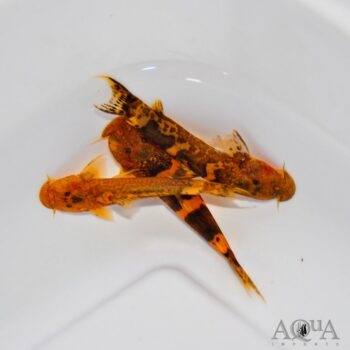
$14.99
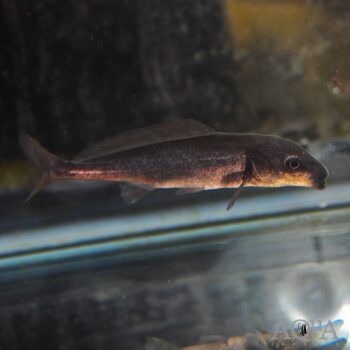
The Stargazer Catfish (Astroblepus sp.) is a rare and sought-after fish for freshwater enthusiasts. This species is found primarily in freshwaters around the Andes, while this specific locale is from Rio Ariari in Colombia. Reaching about 3 inches in length, the peaceful Stargazer Catfish feeds on biofilm, algae, and small invertebrates but will accept prepared omnivore diets in captivity.
-
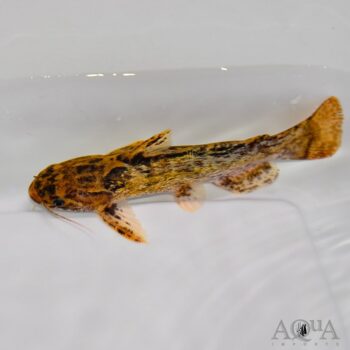
$34.99
The Common Woodcat (Trachelyopterus galeatus) is native to freshwater sources dispersed across South America. Like most woodcats, they are primarily nocturnal, spending most of the day hidden within driftwood or other shelter. These catfish are relatively large, growing up to 8.5″ long, and are generally peaceful towards other similarly-sized fish.
-
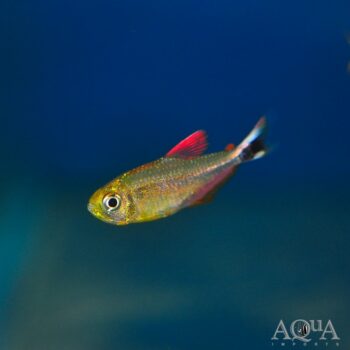
$11.49
The Junior Tetra (Hyphessobrycon robustulus), native to the upper regions of the Amazon Basin in Peru, is a rare characin to find in the freshwater hobby. These sought-after fish are hardy and schooling, doing best in groups of 3 or more. Junior Tetras are also generally peaceful, making them excellent tankmates for many community tanks. These fish have silvery bodies, often with red fins on the males and yellow fins on the females.
-
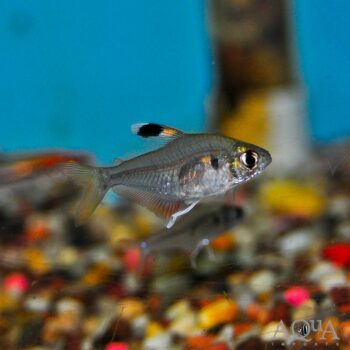
$7.49
An extremely rare characin to find in the freshwater hobby, these Tricolor Tetra (Hyphessobrycon sp. Angamos) are from Rio Javari near Angamos in Peru. These fish are almost translucent mixed with shimmering iridescence. Growing up to 1.5 inches, these fish will do best in groups and with similarly sized and temperament tankmates.
-
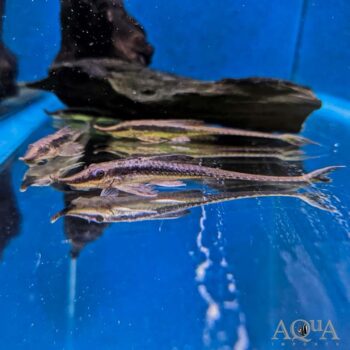
$44.99
A peaceful, medium growing and uniquely shaped Loricariid, the Peruvian Whiptail is a unique oddball fish that is available seasonally in the hobby. They are an effective algae grazer, mostly live plant safe, and will live peacefully with nearly all tankmates, making them a unique addition to a medium to large community aquarium. In the wild, they are usually found on and around driftwood piles and will benefit from driftwood as well as live or artificial plants to provide cover. They should be fed regularly with a sinking herbivore diet or fresh veggies and will supplement this diet by grazing on nuisance algae on glass and decor in the aquarium.
-
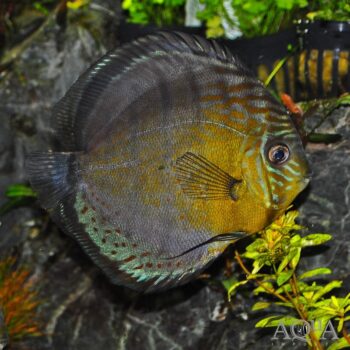
$119.99
Long considered the most beautiful of all freshwater aquarium fish, the discus remains a popular fish for serious hobbyists. Regular, large water changes, a protein-rich varied diet, and warm water temperatures (78-84) will create ideal conditions for discus to thrive. Wild discus are sensitive to water quality and are best kept by experienced hobbyists, however their reputation for being challenging isn’t entirely deserved. They will do best in soft, slightly acidic water and may take weeks or even months to display their optimal colors in an aquarium but will reward patient aquarists with spectacular coloration and natural behaviors. Discus are found in loose aggregations in the wild, and should be kept in groups of at least 5 in the aquarium (8-10 is ideal).
-
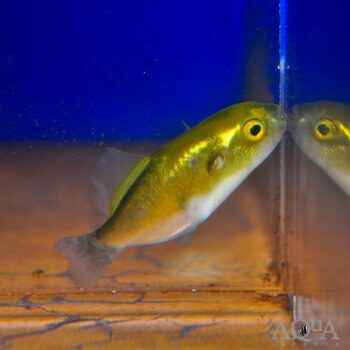
$34.99 – $39.99Price range: $34.99 through $39.99
A true freshwater puffer found in parts of Southeast Asia, the Avocado Puffer (Auriglobus modestus), also known as the Golden Puffer or Bronze Puffer, is a unique, fast-moving species which is often found in groups in the wild. Like most puffers, they are prone to nipping the fins of other fish, so should be kept with hardy, fast-moving tankmates (if any). This species can be kept in a group of 5 or more fish, although they should be fed heavily and given plenty of cover to avoid aggression. They are known to inhabit fast flowing waters, so the addition of a powerhead for some current may be beneficial.
-
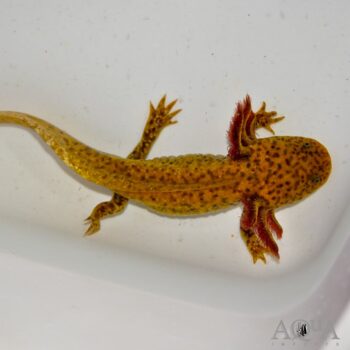
$169.99
The Axolotl is a fascinating and unusual aquatic amphibian originating from the waterways surrounding Mexico City, where it is now considered an endangered species due to habitat loss and degradation. It is a close relative of the widespread Tiger Salamander found throughout much of the US but instead of emerging from water to live its adult form on land, the Axolotl remains in its juvenile aquatic form for its entire life, an evolutionary strategy known as neoteny. Due to their unique appearance and ease of care, Axolotls are popular aquatic pets and have been captive bred for the hobby for decades. In the aquarium, they will do best in relatively cool, well-oxygenated water and ideally should be kept individually, as they have the tendency to nip at the limbs and gills of other Axolotls or any tankmates. Hardy and undemanding, they should be provided a varied protein-based diet and either kept on a fine sand substrate or none at all, as they can ingest gravel or rocks accidentally.
-
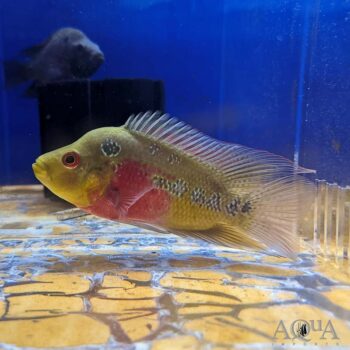
$79.99
An active, large-growing and beautifully colored cichlid, the Cherry Flowerhorn is a man-made hybrid cichlid developed over years of line breeding. With their vivid red face, blue spangling and distinctive hump that males develop as they reach maturity, this strain of Flowerhorn is one of the first to become common in the hobby and remains a favorite today. This species is extremely aggressive towards other cichlids and tankmates should be chosen with caution. In the aquarium, they are hardy and undemanding but will display their best coloration when good water quality is maintained and when fed a varied, high quality diet.
-
Sale!
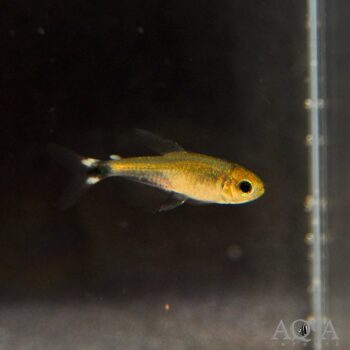
$6.99 Original price was: $6.99.$5.99Current price is: $5.99.
Product description coming soon.
-
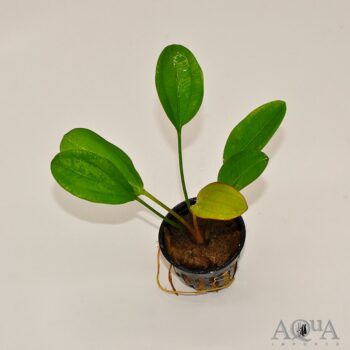
$9.99 – $13.99Price range: $9.99 through $13.99
Product description coming soon.
-
$8.99
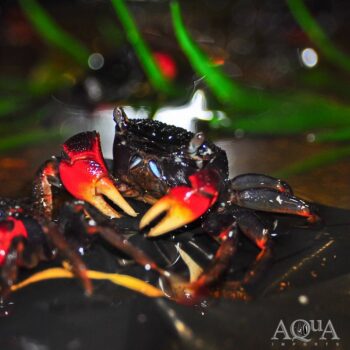
The Red Mangrove Crab (Pseudosesarma moeshi), also known as the Red Thai Crab, is a species of crab native to Southeast Asian mangrove forests. In the wild, these crabs can be found in both brackish and freshwater. As with many crabs, the Red Mangrove Crab needs both water and land in its tank to survive. These crabs will do best in a tank with plenty of decor to hide in and explore, as individuals can sometimes be territorial.
-
$21.99 – $24.99Price range: $21.99 through $24.99
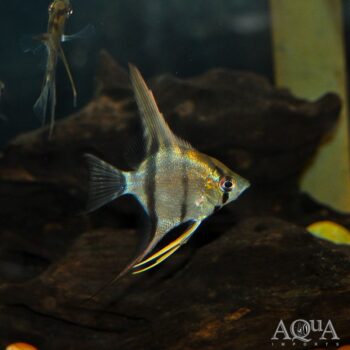
Native to Rio Amazonas outside Leticia, Colombia, these Wild Amazon Angelfish (Pterophyllum scalare) are the natural wild-type color variation. Their bodies are a striking iridescent silver, with vertical black banding. Wild angelfish are a now relatively rare find in the freshwater hobby. As a vertically-oriented species, they do best in a large, tall, planted aquarium with plenty of cover. Although peaceful when young, they can be moderately aggressive towards one another as adults but generally do well in a large enough group, usually 5 or more. Most other non-cichlid tankmates will be left alone but they will hunt and eat very small fish or invertebrates. Angels are somewhat sensitive to water quality so care should be taken to avoid large fluctuations in water conditions and partial water changes should be performed regularly.
End of content
End of content