Showing 726–750 of 1981 resultsSorted by latest
-
$39.99
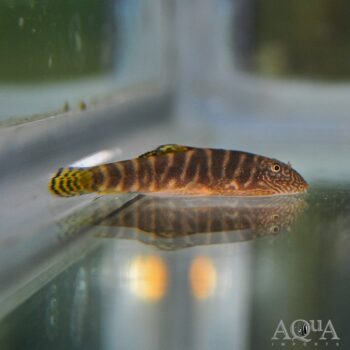
A unique, smaller growing hillstream loach found in fast-moving streams in Western Borneo, the Viriosus Sucker Loach is typically found among rocks in well-oxygenated waters. In the aquarium, they are hardy fish as long as their wild habitat is replicated as closely as possible, with clean, well-aerated water and moderate to fast flow being essential to keep this species thriving long term. This species prefers slightly cooler water temperatures and soft, slightly acidic water. A grazer and opportunistic feeder, they should be given a varied diet high in algae or vegetable content like Fluval Bug Bites Pleco Formula or Repashy Gel Diet. A social fish like most loaches, they should be kept in groups of at least 3 and will typically get along well with other hillstream loach species.
-
$4.99
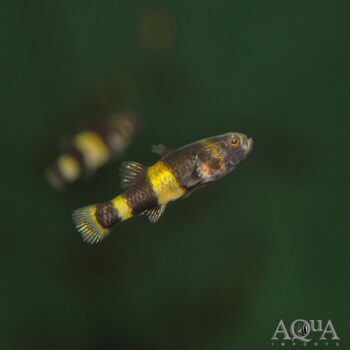
The Bumblebee Goby (Brachygobius doriae) is a small species that inhabits both fresh and brackish water. They are mostly found in the mud flats and slow streams of Borneo’s coastal estuaries and mangrove systems. In the aquarium they are hardy fish that will prefer a fine sand bottom and some salt in the water (3-10ppt). These small gobies should be kept in a group of 5 or more. They can be a challenging species to keep for less experienced hobbyists due to their small food needs and maintenance of a stable pH above 7.5.
-
$10.99
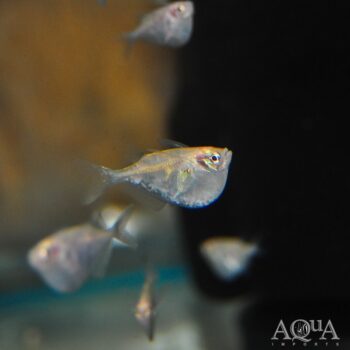
Probably the most commonly kept species of the popular surface dwelling Hatchetfish, the Silver Hatchet has a wide distribution in South America, ranging from the middle Amazon and Orinoco in Colombia and Peru, as well as the coastal waters of Brazil, Suriname and the Guyanas. The Albino Silver Hatchet or Gold Silver Hatchet variant has recently become available in the hobby being readily farmed in Asia. In the aquarium, they are hardy and peaceful schooling fish that will do best in groups of 8 or more. This species is shy by nature and fast moving, large, or aggressive tankmates should be avoided. Their tank should be kept tightly covered as they are easily spooked and likely to jump out if given the opportunity. As a surface feeder, they primarily eat tiny insects in the wild but will accept flake and other small floating foods like freeze dried bloodworms in the aquarium.
-
$12.99
Product description coming soon.
-
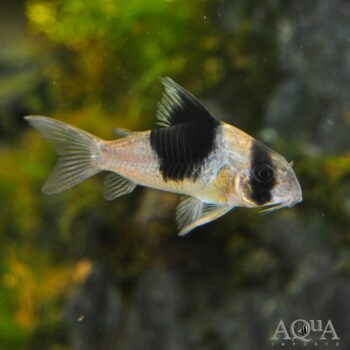
$24.99
A beautiful and larger growing species of Corydoras only recently introduced to the hobby, CW051 New Panda Cory is found in the upper Rio Negro and Uapes drainages along the Brazil/Colombia/Venezuela border. An inhabitant of soft, acidic, shallow waters on fine sand substrate, they are typically found in large aggregations, sometimes mixed with the very similar CW049. Peaceful, hardy, and active, this species makes a striking addition to a community or planted aquarium. Like all Corydoras, they will do best on a fine sand substrate and should be kept in groups of 5 or more.
-
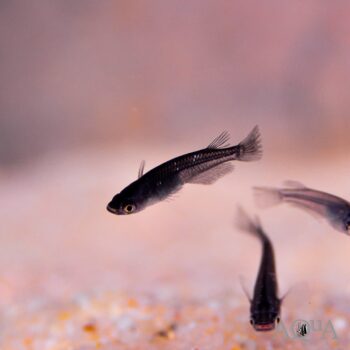
$8.99
A beautiful line bred form of the common ricefish or medaka, the Black Medaka displays a dark gray/black coloration that sparkles depending on the intensity and angle of the aquarium lighting. Like most ricefish, they are a very hardy fish and will do well in most aquariums. The species is an egg layer but will readily breed in the aquarium under good conditions.
-
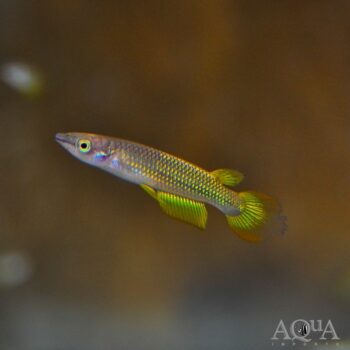
$5.99
The Golden Wonder Killifish (Aplocheilus lineatus), also known as the Malabar Killifish or the Indian Striped Panchax, is originally native to freshwaters of India and Sri Lanka. These fish have been captive bred to have bright and iridescent yellows and greens across their bodies. The Golden Wonder Killifish is a hardy micropredator that will feed on a variety of foods in the aquarium. Beware, as these fish will eat any tankmates that can fit into their mouth! They will do best in groups, and can thrive in a community tank with larger, peaceful species.
-
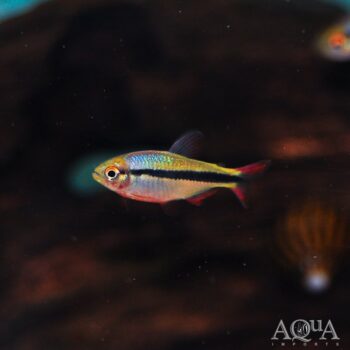
$12.99 – $15.99Price range: $12.99 through $15.99
The Imperial Lapis Tetra (Hyphessobrycon sp. ‘Imperial Lapis’), also known as the black band tetra, the black stripe tetra, the blue blackbanded tetra, or the blue ribbon tetra, is a small species of characin native to freshwaters of South America. Growing up to 2 inches long, this is a smaller species of tetra, making it a versatile addition to a variety of community tanks. These fish have beautiful coloration, with silvery rainbow bodies and a striking black stripe down their side. As a schooling species, the Imperial Lapis Tetra will do best in groups.
-
$9.99
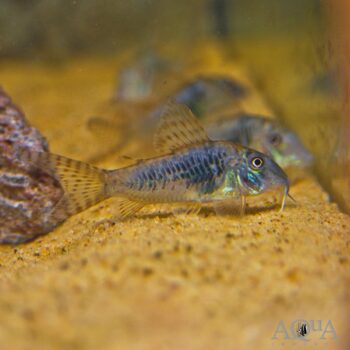
A member of the highly popular corydoras catfish group, the Northern Longnose Cory (Corydoras septentionalis) is a species of fish native to the Orinoco River Basin. With a peaceful temperament, iridescent bodies, and active behavior, the Northern Longnose Cory is sure to be a dynamic addition to a freshwater community tank. Corydoras will spend most of their time scavenging on the substrate of your tank, acting as a valuable cleanup crew!
-
$59.99
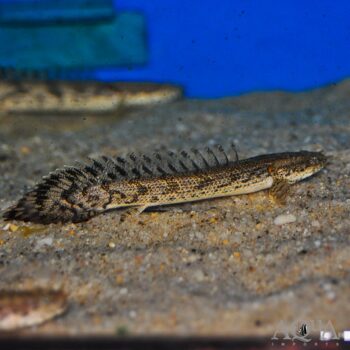
Product description coming soon.
-
$5.99
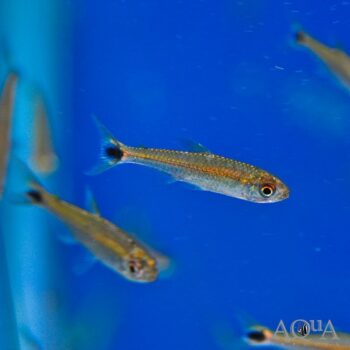
The Gold Ring Levis Tetra (Hemigrammus cf. levis) is a small species of characin native to the Brazilian Amazon, specifically the Rio Caño Bocón locale. This specific locale of Hemigrammus is a rare find in the aquarium hobby. As a peaceful, shoaling species, these fish will do best in groups of 5 or more. With their shimmery gold bodies, they are sure to add a striking splash of color to your freshwater aquarium!
-
$99.99
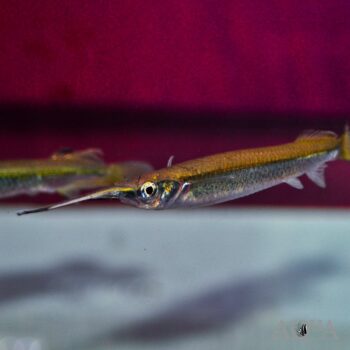
The Duncker’s Halfbeak (Zenarchopterus dunckeri), also known as the Duncker’s River Garfish, is a very rare fish to find in the aquarium hobby. These tropical fish are native to the estuaries of the Indo-Pacific and are a member of the Beloniformes, or the needle-fishes. As such, they should be kept brackish. Growing up to 5.5 inches long, these shimmery silver fish will do best in a 75 gallon tank or larger.
-
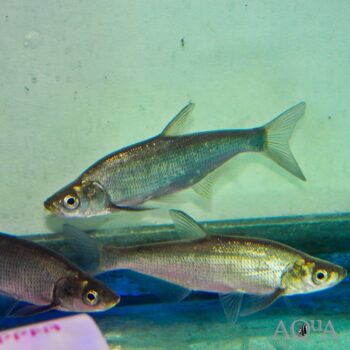
$249.99
The Predatory Carp (Chanodichthys erythropterus), also known as the Redfin Culter or Skygazer, is a species of cyprinid native to river drainages across Eastern Asia. They are highly sought-after by monster fish enthusiasts and a rare find in the aquarium trade. Growing up to 36 inches (3 feet) long, be ready for an incredible and formidable fish in your collection.
-
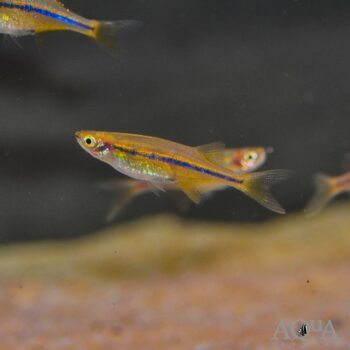
$4.99
The Orange Hatchet Danio (Neochela dadiburjori), also known as the Chela Danio, is a species of nano-fish native to Southern India. They are generally surface-dwelling fish, sure to add a splash of color to the top layer of your aquarium. Orange Hatchet Danios have a pearlescent orange body with a striking blue stripe down their side. Perfect for a peaceful community tank, these fish only grow up to 1.5 inches and do best in schools of 5 or more.
-
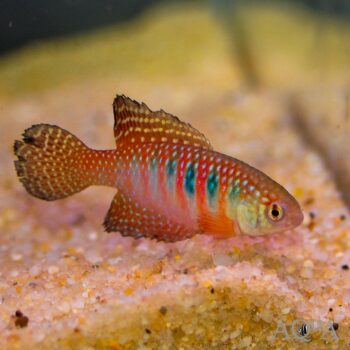
$19.99
The Magnificent Killifish (Simpsonichthys magnificus) is native to South America and a rare find in the aquarium hobby. Like other killifish, the Magnificent Killifish is a hardy, tropical fish and are some of the most colorful fish found in the trade. With red and blue stripes down their sides and distinct spotting on their fins, these fish are hard to miss! Magnificent Killifish are generally peaceful towards other fish of similar size and temperament.
-
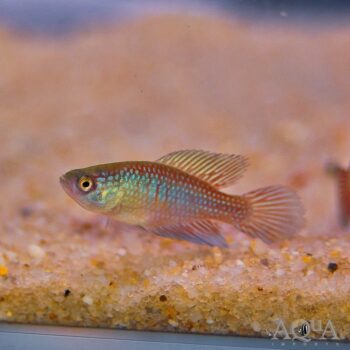
$19.99
Hypsolebias fulminantis is native to tropical waters of South America and is a relative of other killifish. They were officially described in 1993, relatively recently compared to their closest cousins! These are a rare find in the freshwater aquarium trade and are an incredibly unique and colorful fish. Hypsolebias fulminantis have a body composed of sparkling blues, reds, and greens, making them a gorgeous addition to your freshwater aquarium.
-
$29.99
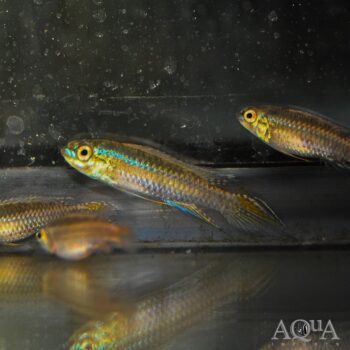
The Black Stripe Dwarf Cichlid (Taeniacara candidi), also known as the Torpedo Cichlid, is considered to be one of the most unique dwarf cichlid species to keep. They are native to the Brazilian Amazon, extending from the Rio Negro basin to Rio Tapajos. Compared to most other dwarf cichlids, these fish have a slim, torpedo-shaped body and only grow up to 2.5 inches long. They are best kept as one pair per tank, as males can be highly territorial with one another, especially during spawning.
-
$12.99
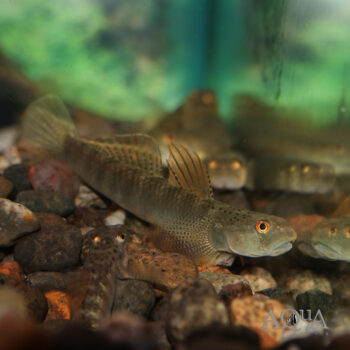
The Orange Fin Stiphodon Goby (Stiphodon maculidorsalis), is a freshwater species native to Western Sumatra, Indonesia. Like all Stiphodon Gobies they require well oxygenated, clean water and feed on algae and other biofilms in the tank. When kept in groups, they will also exhibit interesting behaviors such as courtship behaviors and females congregation.
-

$22.99
The Candidus Goby (Rhinogobius candidianus) is an uncommon species to find in the trade. These freshwater gobies are native only to Taiwan in the rivers surrounding Lake Candidius (Sun Moon Lake). The Candidus Goby prefers cold to sub-tropical temperatures in well-oxygenated, moving water. They are generally peaceful towards tankmates, but can become territorial with other gobies, especially other males. Since these gobies only grow up to 3 inches long, they are a versatile and unique addition to a freshwater aquarium!
-
$79.99
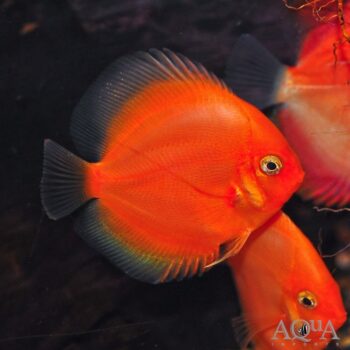
Long considered the most beautiful of all freshwater aquarium fish, the discus remains a popular fish for serious hobbyists. Discus originate from the warm, acidic waters of Amazon tributaries in Brazil and Peru and are typically found in large groups. The many wild forms of discus have been selectively bred to create dozens of colorful strains, including the Tangerine Discus, which is known for its solid orange body. In the aquarium, regular large water changes, a protein-rich varied diet, and warm water temperatures (78-84) will create ideal conditions for these fish to thrive. Like all discus, they will do best in soft, slightly acidic water but will reward patient aquarists with spectacular coloration.
-
$49.99
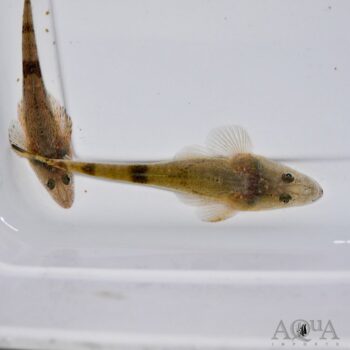
An extremely rare find in the saltwater trade, the Bartail Flathead (Platycephalus indicus), also known as the Indian Flathead, is a marine and brackish fish native to the Indo-West Pacific. These fish are closely related to the scorpionfish and have venomous spines. Growing up to 24 inches long, Bartail Flatheads spend most of their time on or camouflaged in the substrate and will feed on benthic algae as well as any fish and crustaceans that can fit in their mouth!
-
$24.99
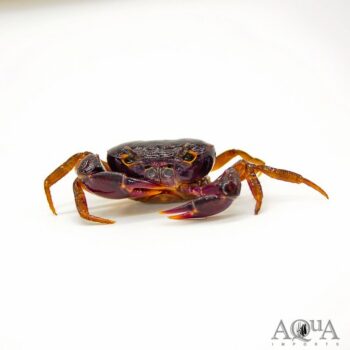
One of the rarer species of crab to find in the freshwater trade, the Indian Lilac Crab (Globithelphusa cf. kaufen) is also known as the purple freshwater crab or the Indian swimming crab. They are native to the freshwaters of Western India and will spend most of their time underwater. A proper setup needs a space for them to escape the water, as well as many hiding spaces both above and under the water to escape other crabs, as males can become territorial towards each other. These crabs have highly variable colors, ranging from dark purple to dark red.
-
$19.99
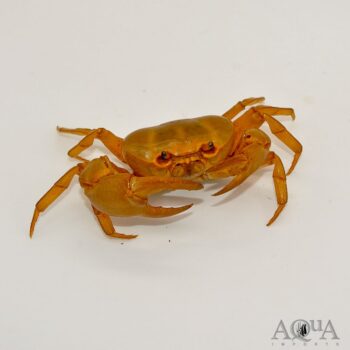
The Gold Crab (Terrathelphusa cf. chilensis) is native to the freshwaters of Java, Indonesia and is a rare crab in the freshwater trade. They are also known as the banana crab or the mangrove crab. As with similar crabs, the Gold Crab requires both underwater and land habitat in their tank with plenty of hiding spaces. They can be territorial, so having spaces for them to explore and hide is crucial. Growing up to 3 inches long with a monochrome gold hue, these formidable crabs are a unique species to add to your freshwater ecosystem.
-
$19.99
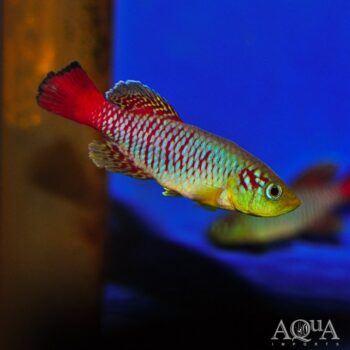
The Gunther’s Killifish (Nothobranchius guentheri), also known as the redtail notho, Guenther’s killifish, or Gunther’s blue Zanzibar killifish, is native to the freshwaters of the island of Zanzibar. Like other killifish, the Gunther’s Killifish is a hardy, tropical fish and are some of the most colorful fish found in the trade. With shimmery red and blue intermixed scales down their sides and red fins, these fish are hard to miss! Gunther’s Killifish are generally peaceful towards other fish of similar size and temperament.
-
$99.99
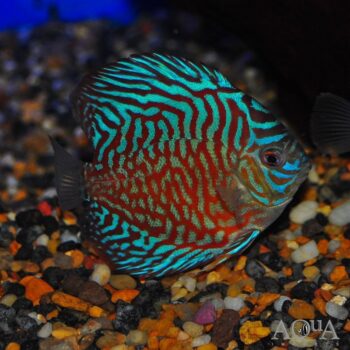
Long considered the most beautiful of all freshwater aquarium fish, the discus remains a popular fish for serious hobbyists. Discus originate from the warm, acidic waters of Amazon tributaries in Brazil and Peru and are typically found in large groups. The many wild forms of discus have been selectively bred to create dozens of colorful strains, including the Tiger Turquoise, which is known for its vertical red reticulated pattern on a blue body. In the aquarium, regular large water changes, a protein-rich varied diet, and warm water temperatures (78-84) will create ideal conditions for these fish to thrive. Like all discus, they will do best in soft, slightly acidic water but will reward patient aquarists with spectacular coloration.
End of content
End of content