WYSIWYG Bleeding Apple Scolymia
$359.99Product description coming soon.
Select options
This product has multiple variants. The options may be chosen on the product page

Showing 1176–1200 of 2362 resultsSorted by latest
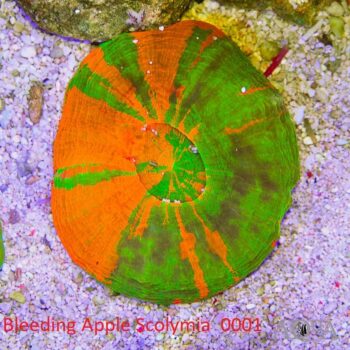
Product description coming soon.
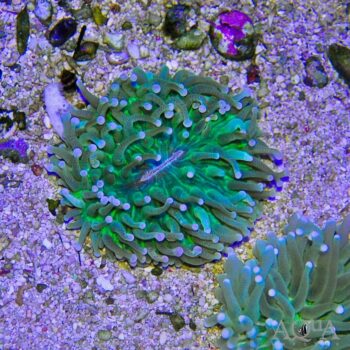
Product description coming soon.
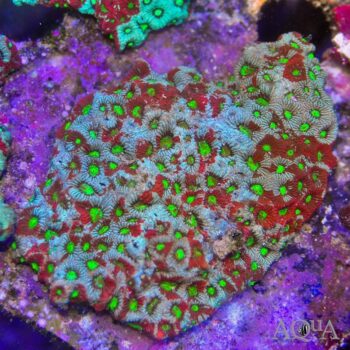
Product description coming soon.
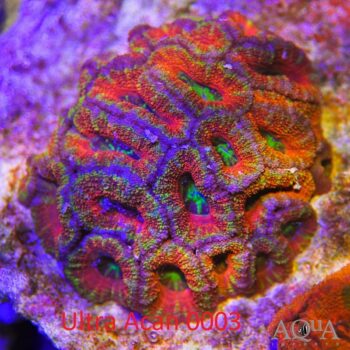
Product description coming soon.
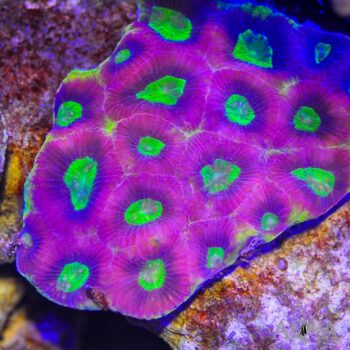
The Electric Green Platygyra Brain Coral (Platygyra sp.) is a large polyp stony coral that can grow to be either flat or dome shaped. This morph exhibits neon green corallite ridges hence the “electric” in its name. At night, this coral can extend sweeper tentacles up to 4 inches long, so be sure to give it space between other corals in your tank.
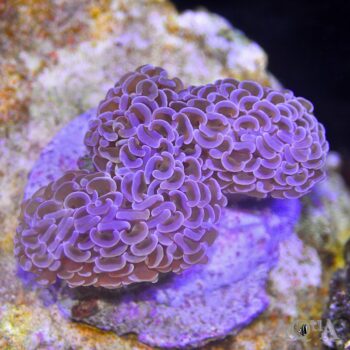
The Pink Wall Hammer (Euphyllia ancora) is distinguished from other Euphyllia species (Torch Coral and Frogspawn) by its tubular tentacles with T-shaped tips. Hammer corals come in a range of colors and branching or wall varieties. They can be hardy corals with only moderate lighting and flow requirements.
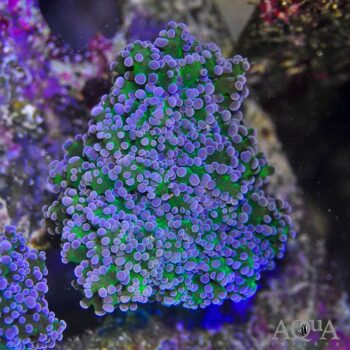
Product description coming soon.
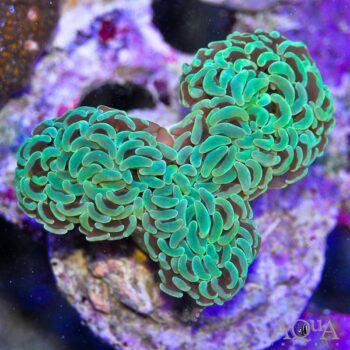
The Green Wall Hammer (Euphyllia ancora) is distinguished from other Euphyllia species (Torch Coral and Frogspawn) by its tubular tentacles with T-shaped tips. Hammer corals come in a range of colors and branching or wall varieties. They can be hardy corals with only moderate lighting and flow requirements.
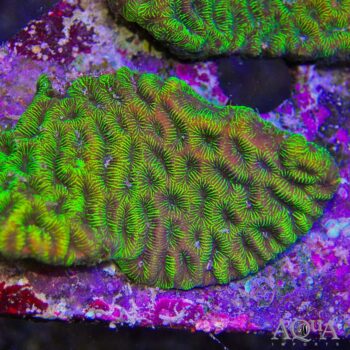
The Electric Green Platygyra Brain Coral (Platygyra sp.) is a large polyp stony coral that can grow to be either flat or dome shaped. This morph exhibits neon green corallite ridges hence the “electric” in its name. At night, this coral can extend sweeper tentacles up to 4 inches long, so be sure to give it space between other corals in your tank.
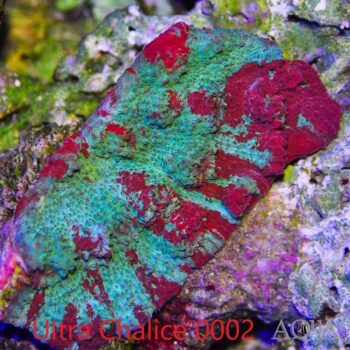
Chalice Corals (Echinophyllia sp.) are a type of large-polyp stony coral that can be found with an amazing diversity of colors. Chalice corals are widespread across the Pacific and are popular in the saltwater hobby. The Ultra Chalice Corals are high grade color morphs that will stand out under blue lighting.
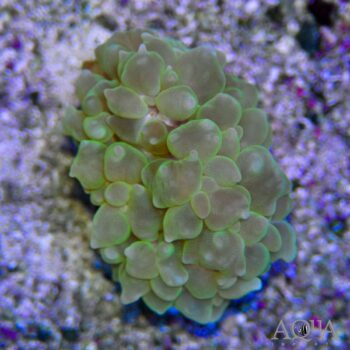
Product description coming soon.
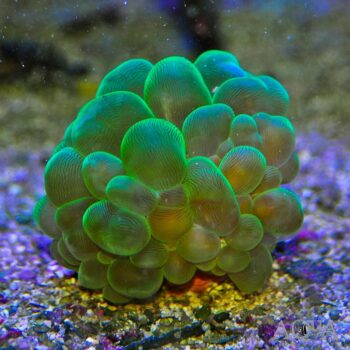
Product description coming soon.
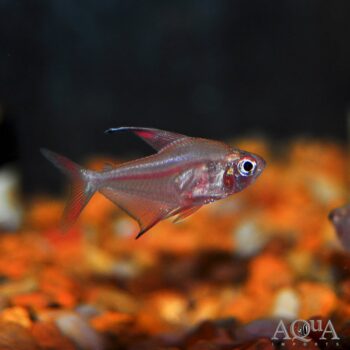
The Red Ornatus Tetra from Peru has gone by many different names in the trade, including Ornatus Tetra, Robertsi Tetra, and Rosy Tetra (incorrectly). It was only recently described as Hyphessobrycon jackrobertsi. This colorful, medium growing species is found in the Rio Nanay and nearby tributaries of the Middle Amazon in Peru, where it is typically found in small to medium shoals. They display vivid red fins and iridescent whitish pink highlights and an elongated dorsal fin. Like most of their close relatives, they are best kept in groups of 5 or more and make an impressive addition to a medium to large planted aquarium.
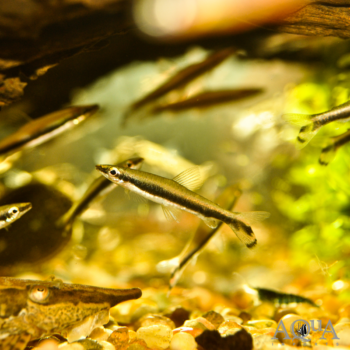
The One Line or Unifasciatus Pencilfish is a widely distributed loosely schooling fish found throughout much of the Amazon and Orinoco Basins. With their unique behavior and peaceful demeanor they have been a popular fish in the freshwater hobby for decades. Typically found in warm, extremely shallow waters alongside other tetra species, they prefer soft, acidic water conditions but are adaptable in the aquarium. Best kept in groups of 5 or more, they are relatively easy to care for but care should be taken to ensure larger or faster moving tankmates don’t outcompete them for food.
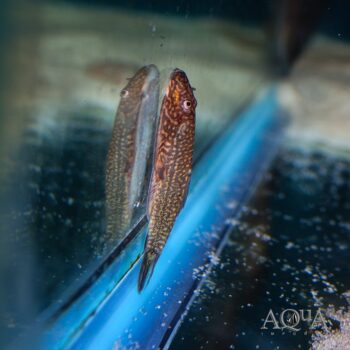
A beautifully marked hillstream loach found in fast-moving streams in Western Borneo, the Reticulated Borneo Sucker is typically found among rocks in well-oxygenated waters. In the aquarium, they are hardy fish as long as their wild habitat is replicated as closely as possible, with clean, well-aerated water and moderate to fast flow being essential to keep this species thriving long term. This species prefers slightly cooler water temperatures and soft, slightly acidic water. A grazer and opportunistic feeder, they should be given a varied diet high in algae or vegetable content. They should be kept in groups of at least 3 and will typically get along well with other hillstream loach species.

Ludwigia senegalensis Care Level: Moderate Preferred Light Level: Moderate to high Placement/Size: A medium to large plant usually used for mid- or background planting Shipping Note: All our foods and aquatic plants ship FREE with any live fish order; OR food/plant only orders ship for a flat rate of $10.99
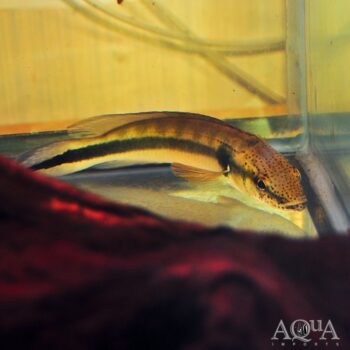
One of most widely distributed members of the genus Crenicichla, the Lugubris Pike is a large-growing, hardy and aggressive species of cichlid found in almost every major river system across the Amazon region. They are found in a wide variety of habitat types and are extremely adaptable aquarium fish provided their large adult size is taken into account. As a territorial fish by nature, they require a sufficiently large aquarium with plenty of cover. Tankmates should be large and fast-moving fish that will not be intimidated by a large, aggressive Pike Cichlid.
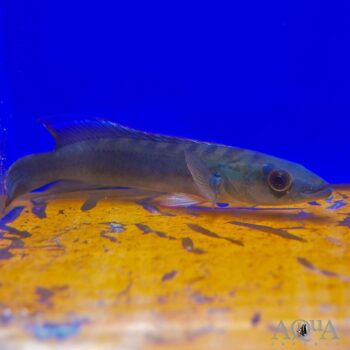
The Red Fin or Johanna Pike is a large growing species found throughout much of the Amazon basin, where it tends to inhabit soft, acidic waters. Like many large Pike Cichlids, they are territorial and can be aggressive towards tankmates so any other fish in the aquarium should be chosen with care. With their large adult size and outgoing nature, they make excellent subjects for a species tank or in a suitably large display with other South American cichlids. The uniquely colored regional variant from Colombia’s Rio Yari tend to display a vivid almost purple body coloration especially when in breeding condition.
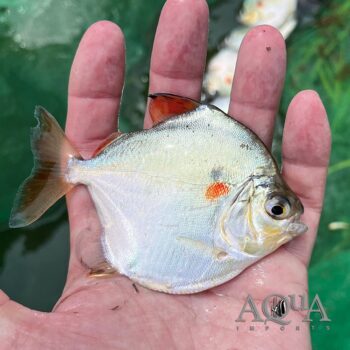
A beautifully marked species of Silver Dollar found in the Rio Nanay and surrounding tributaries in Peru, the Bleeding Heart Silver Dollar inhabits shallow, acidic water, typically near submerged driftwood or vegetation. Named for the unique red spot found in the center of their body, they also exhibit deep red fins. Care and behavior is the same as with the more well-known Red Hook Silver Dollars, and it will readily school with other similar species.

An unusual and larger growing relative of the more well-known Banjo Catfish, the Eel Tail Banjo Catfish is a unique, elongated species found throughout parts of the lower Amazon, coastal Brazil and the Guyana Shield. The Eel Tail Banjo Catfish inhabits shallow, warm stretches of slow-moving waters and areas of flooded forest in the wild. Their unique body shape and variable coloration acts as highly effective camouflage in the submerged leaf litter where they are typically found. This species has a unique reproductive strategy, with females using specialized pores on the underside of their tail to carry their eggs until hatching. In the aquarium, this species is relatively hardy and undemanding, although they can be slow to find food and may be outcompeted by fast-moving or aggressive feeding tankmates.
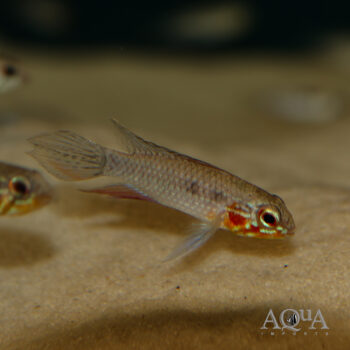
Apistogramma elizabethae or Elizabeth’s Apisto is one of the more attractively colored Dwarf Cichlids in the hobby, with mature males displaying vivid red and blue coloration and elaborate extended fins. A hardy and relatively peaceful species, they are ideal for smaller aquariums and do best with ample cover in the form of plants, driftwood, and small caves. In the wild, they inhabit warm, acidic, tannin-stained waters and an aquarium that replicates these conditions as closely as possible will result in optimal coloration and natural behavior.
Note on wild-collected Apistogramma sp.:
While we will make our best efforts to select male/female pairs for customer orders, sexing small- and medium-sized wild Apistogramma is not always exact and we do not guarantee a particular sex ratio. We recommend buying these fish in larger groups if a particular ratio of males to females is desired.

A rarely seen relative of the more common L240 Galaxy or Vampire Pleco, the L294 Sucunduri Galaxy Pleco originates in the fast-flowing waters of Brazil’s Rio Sucunduri, a tributary of the Canumã which flows into the Rio Madeira. They have an irregular pattern of large, pale yellow spots against a black base color and with age they often develop into unique larger blotches. Like most plecos in the genus Leporacanthicus, the L294 are primarily carnivores, and prefer protein rich foods.
A rarely seen Corydoras relative originating from several river systems across Eastern Brazil, the Peppered Aspidoras Catfish is a small growing, peaceful fish which like its close relatives is typically found in large groups. Hardy and adaptable, they are an excellent community fish that will do well with nearly any peaceful tankmates.
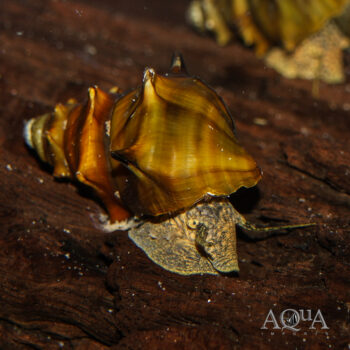
The Pagoda Snail (Brotia pagodula), is a large growing freshwater snail from the Thoungyin River in Thailand. The distinct spiny protrusions on its shell makes it a popular addition to aquariums as an algae eater and detrivore. They are not considered to be plant-safe. Maintenance of higher KH and GH levels will aid in keeping the shell in top shape.
End of content
End of content
No products in the cart.