Otorongo Wood Catfish (Spinipterus cf. moijiri)
$69.99Product description coming soon.
Select options
This product has multiple variants. The options may be chosen on the product page

Showing 1126–1150 of 2362 resultsSorted by latest
Product description coming soon.

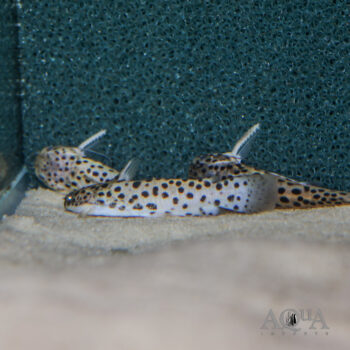
An ornately patterned parasitic catfish, the Jaguar Candiru (Pseudostegophilus nemurus) is found throughout much of the Amazon basin. This species uses its strong sense of smell to seek out larger fish and feed on their scales and mucus. They are known to remove large chunks from other fish and should be housed with this in mind. In the aquarium, they do best in a large tank with plenty of open swimming space and moderate to strong current.
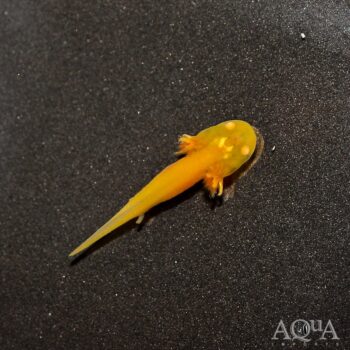
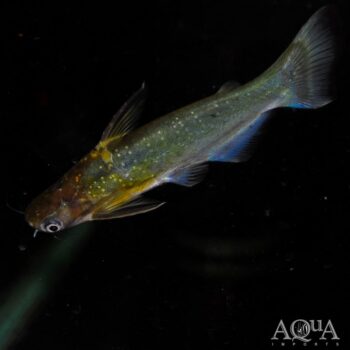
The Midnight/Zamora Cunchi Catfish (Auchenipterichthys coracoideus) is native to the Upper Peruvian Amazon. These fish are also known as Midnight/Zamora woodcats or driftwood catfish. Growing up to 5 inches in length with a relatively peaceful temperament, these fish are a desirable and rare choice for your freshwater community tank.
Product description coming soon.
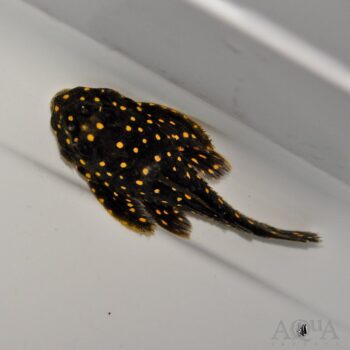
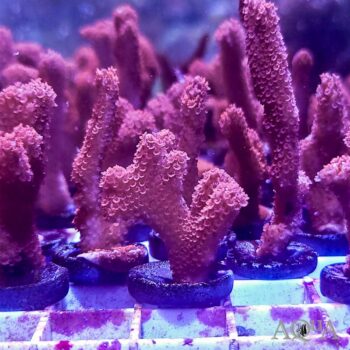
The L201 Snowball Pleco or Orinoco Angel Pleco is one of several small spotted species of Hypancistrus found in the upper Orinoco River basin of South America. Like its relatives, it prefers warm, slightly soft water and is sensitive to poor water quality so regular water changes are a must. They should be fed a varied diet high in proteins, including frozen bloodworms, sinking prepared foods, and Repashy gel diet.
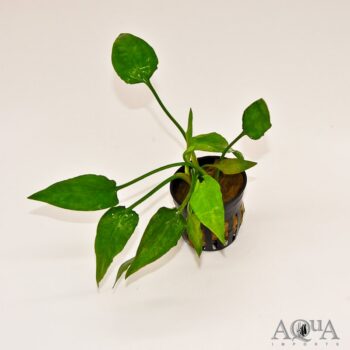
Cryptocoryne pontederiifolia is a relatively tall species of freshwater plant, identified by its arrow-shaped leaves and long stems. Similar to other Cryptocoryne plants, this plant is hardy and will do well in a wide variety of tanks. They are popularly used for mid- to background planting.

The Fancy Twist Sword (Echinodorus sp. Fancy Twist) is a hardy and beautiful plant, popular with beginner and expert freshwater aquarists alike. They can display leaves anywhere from bright green to deep red. Sword plants prefer to be planted in the substrate and can grow large, making them perfect as a mid- to background plant in your aquascape!
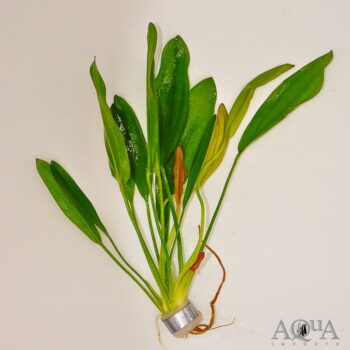
Like other sword species, the Red Diamond Sword (Echinodorus sp. Red Diamond) is a hardy and beautifully colored freshwater plant, displaying leaves anywhere from light green to deep red. The Red Diamond Sword is an aquacultured hybrid of Echinodorus Horemanii Red and Echinodorus Barthii. It tends to stay smaller than other sword plants, making it a popular choice for freshwater aquarists looking for a shorter Echinodorus option!
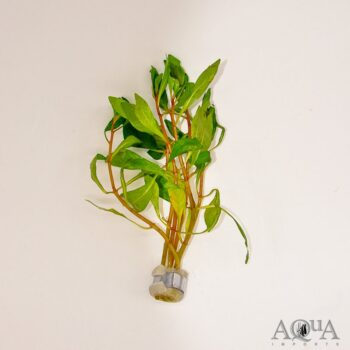
Cuban Ludwigia (Ludwigia inclinata ‘Cuba’) Care Level: Moderate Preferred Light Level: Moderate to high Placement/Size: A medium to large plant usually used for mid- or background planting Shipping Note: All our foods and aquatic plants ship FREE with any live fish order; OR food/plant only orders ship for a flat rate of $10.99
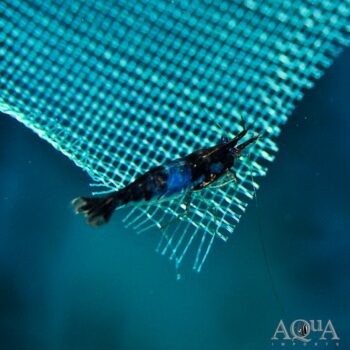
The Blue Rili Shrimp is a selectively bred form of Neocaridina dwarf freshwater shrimp displaying dark blue on the head and tail with clear patches in the abdomen. Hardy, colorful, and peaceful towards tankmates, these shrimp will do well in most small to medium community aquariums and under good conditions will breed regularly. An omnivore and scavenger, they will accept most sinking foods but should be offered a varied diet high in algae and vegetable matter to ensure proper development and optimal coloration. Our Blue Rili Shrimp are high grade specimens tank bred in Taiwan.

A stream-dwelling cyprinid found in the shallow, rocky waters of Taiwan, the Taiwan Zacco or Zacco Taiwanensis (Opsariichthys pachycephalus) is a unique and rarely seen schooling fish. Adults develop red elongated fins and vibrant blue body colorations, making them an attractive dither fish for medium to large cichlids or as centerpiece fish for a planted aquarium. They prefer slightly cooler, well-oxygenated water and enjoy moderate to strong current in the aquarium, so the addition of one or more powerheads or circulation pumps is recommended.
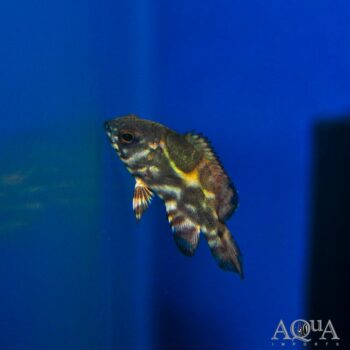
A wild form of the aquarium hobby classic, the Oscar from Colombia’s Rio Putumayo represents a newer locality of the species with a distinctive gold banded color pattern. As with all Oscars, these are a large growing and predatory fish that require large aquariums as adults. Although Oscars have earned a reputation for aggression in the hobby, they are fairly peaceful for a large cichlid and if given ample tank space will do well in a mixed community of similarly sized fish. Feeding a varied diet of high quality prepared and frozen foods will help ensure their best colors as they grow.
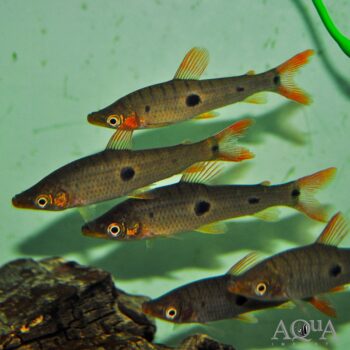
An uncommon and interestingly patterned Anostomid found throughout several major river systems in South America, the Threespot Headstander is a loosely schooling species similar to the more well-known banded Leporinus (L. fasciatus). In the wild, they tend to inhabit moderate to fast moving acidic waters, usually in open water where they feed on insects and crustaceans. In the aquarium, they require plenty of open swimming space and will do best in fast-moving, well-oxygenated water with a tight fitting lid as they are impressive jumpers.
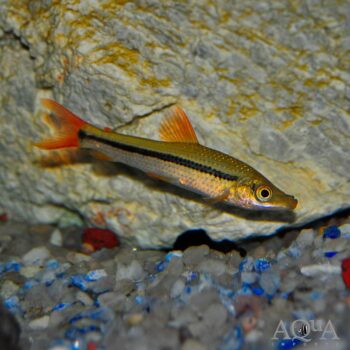
An uncommon and recently described Anostomid found throughout several major river systems in South America, Pseudanos winterbottomi is a loosely schooling species similar to the more well-known Leporinus genus. In the wild, they tend to inhabit moderate to fast moving acidic waters, usually in open water where they feed on insects and crustaceans. In the aquarium, they require plenty of open swimming space and will do best in fast-moving, well-oxygenated water with a tight fitting lid as they are impressive jumpers.
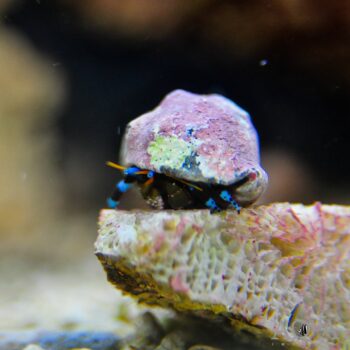
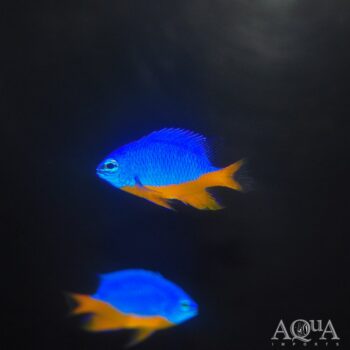
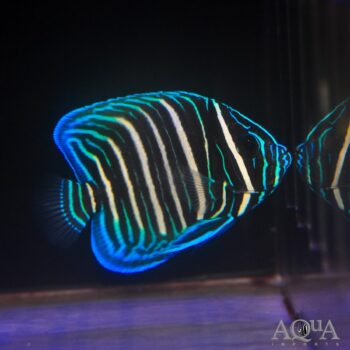
Product description coming soon.
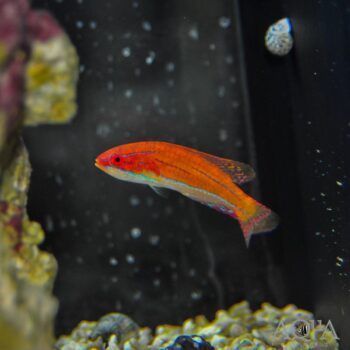
Native to the tropical reefs of the Indo-Pacific, the Carpenter’s Flasher Wrasse (Paracheilinus carpenteri), also known as the Fairy Wrasse or the Redfin Flasher Wrasse, is a peaceful reef-safe species. With striking patterns of oranges, yellows, reds, and blues, these fish are a beautiful addition to your saltwater setup. They will do well in groups, and males will display their most vibrant coloration in the company of females. Reaching up to 3 inches long with a generally active personality, these fish will do best in tanks that are 55 gallons or larger with plenty of live rock and a tight-fitting lid.
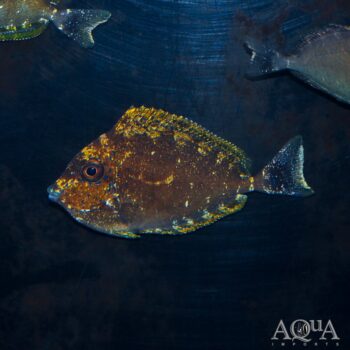
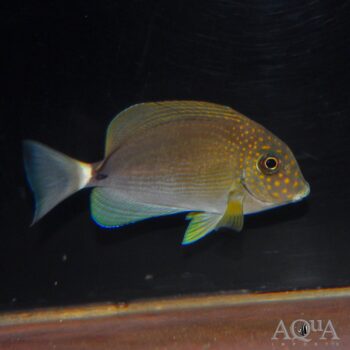
Product description coming soon.
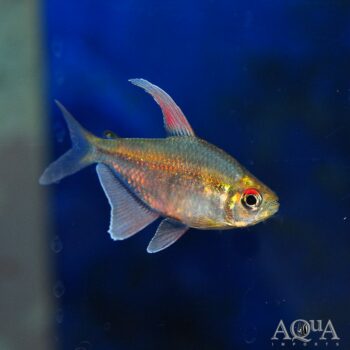
Diamond Tetra (Moenkhausia pittieri) are a stunning species of freshwater fish native to the shallow tributaries of South America. Their striking iridescence and long fins make them a unique and desirable choice for a freshwater community tank. Similar to other tetra species, Diamond Tetras are hardy, will do best in groups of 5 or more, and can be kept with similarly-sized peaceful species.
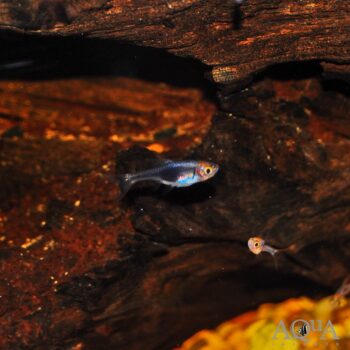
The Purple Harlequin or Black Harlequin Rasbora is a “manmade” variant of the Heteromorpha Rasbora, selectively bred to be mostly dark in appearance when full grown. They make an ideal addition to a small to medium sized community aquarium or planted tank. In the wild, they inhabit slow moving streams and creeks with sandy substrate and soft, acidic and often tannin-stained waters, usually among aquatic plants or fallen branches. A hardy and adaptable fish in the aquarium, they have been an aquarium hobby classic for many years and are commercially bred all over the world to supply the aquarium trade. Like most schooling rasboras, they are best kept in groups of 10 or more and will thrive with most similarly-sized peaceful tankmates.
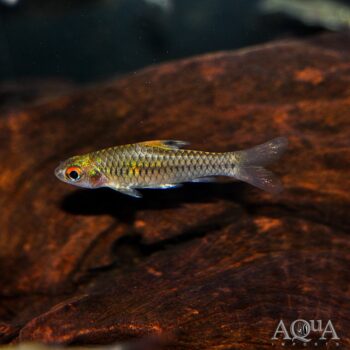
The African Clipper Barb (Enteromius callipterus), also known as the African red eye barb, originates from the waters of Western Africa. They can be identified by their iridescent and silvery bodies, as well as their notable red eyes. These schooling fish are generally peaceful and can be kept with tankmates of similar size and temperament.
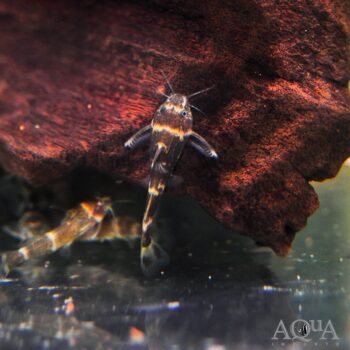
The Dwarf Synodontis Catfish (Microsynodontis batesii) is found in the Ntem River of Gabon and Cameroon. They prefer a soft substrate, lightly planted tank with driftwood for hiding spots. This fish gets along well in a community tank with other peaceful species, such as tetras and dwarf cichlids. It will eagerly accept a variety of foods, including frozen, live, and dry.
End of content
End of content
No products in the cart.