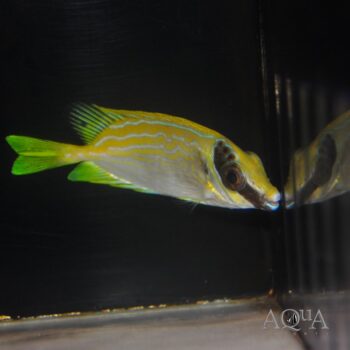
Blue Lined Rabbitfish (Siganus puellus)
$44.99Product description coming soon.

Showing 676–700 of 2362 resultsSorted by latest
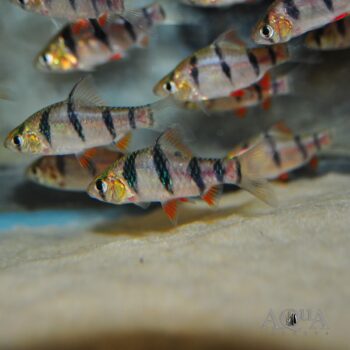
A peaceful, small schooling barb originating in the acidic, blackwater streams and swamps of Borneo, the Six Banded Barb makes an attractive display fish for a medium sized community or aquascaped tank. Active and hardy, they are found in large groups in the wild and should be kept in groups of at least 5 in the aquarium. Unlike their similar relative the Tiger Barb, this species is peaceful and not prone to nip fins, and should be kept with similarly peaceful fish.
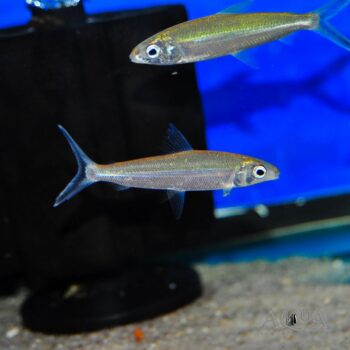
Product description coming soon.
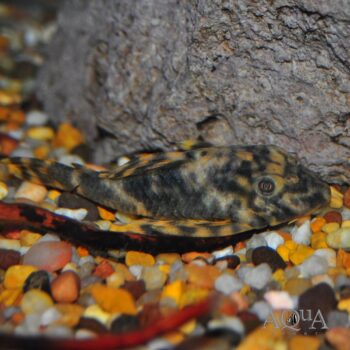
Product description coming soon.
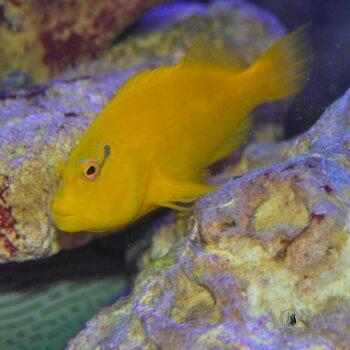
Product description coming soon.
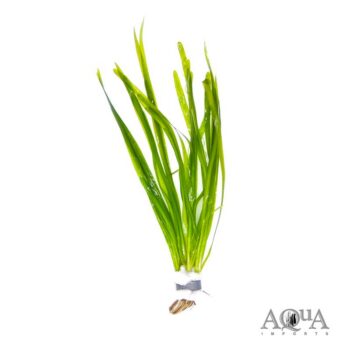
Striped Italian Val (Vallisneria spiralis ‘striped’) Care Level: Beginner Preferred Light Level: Low to moderate Placement/Size: A medium to large plant usually used for mid- or background planting Shipping Note: All our foods and aquatic plants ship FREE with any live fish order; OR food/plant only orders ship for a flat rate of $10.99…
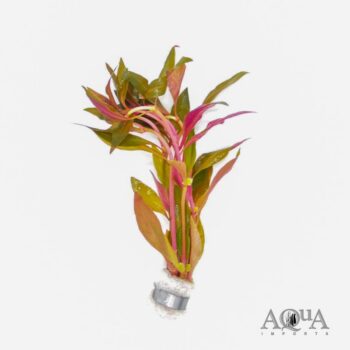
A colorful and attractive accent or background plant popular among aquascapers, Alternanthera reineckii ‘Variegated’ or Vareigated Telanthera displays intense red and pink coloration when kept under ideal conditions in the aquarium. For best results, strong lighting, CO2 injection and supplemental fertilizers are recommended.
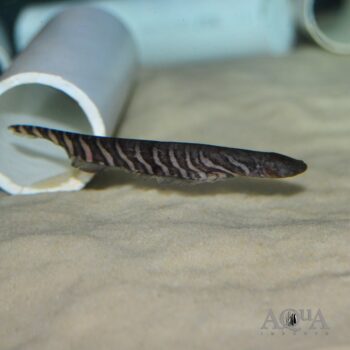
A beautifully marked slender knifefish found throughout much of the Western Amazon and its tributaries, the Banded Knifefish or Carapo Knifefish is a relatively peaceful species found in acidic, slow-moving shallows. Like most species in the genus Gymnotus, they are secretive, cryptic fish which prefer plenty of cover in the form of driftwood, caves, and leaf litter in the aquarium. They are nocturnal but will learn to come out when fed.
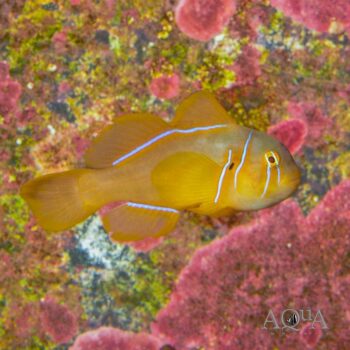
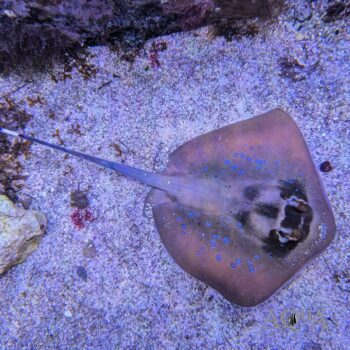
Product description coming soon.
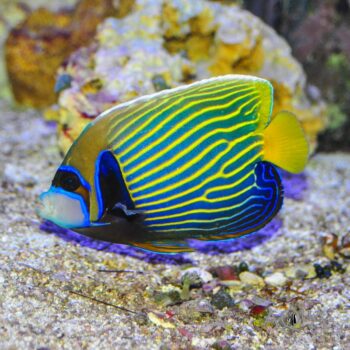
Product description coming soon.
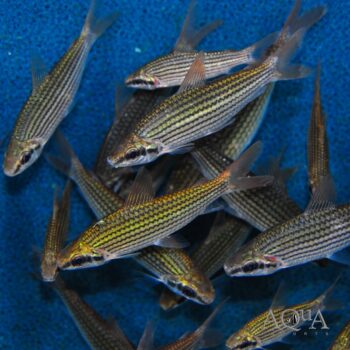
A unique schooling characin, the Golden Curimata or Golden Mascara Tetra (Cyphocharax multilineatus) can be found in large aggregations in shallow water areas grazing on insect larvae, crustaceans, and biofilm. They are relatives of the headstanders more commonly found in the hobby. In the aquarium, they are relatively hardy but will do best in warm, slightly acidic water with plenty of cover and minimal current. A tightly schooling fish, they should be kept in groups of at least 5, with larger groups making for a very distinctive display in a medium to large aquarium.
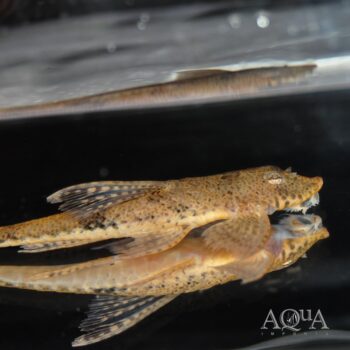
A finely patterned, medium-growing Loricariid known from the Rio Orinoco basin, Rineloricaria formosa remains an elusive and uncommon import in the hobby. In the wild, they are found on fine sand substrate in areas of open, shallow water and are capable of a good deal of color change to camouflage themselves to their surroundings. Like most similar Loricariids, this species is an omnivore which feeds on invertebrates, biofilm, algae and vegetation and should be fed a varied diet of sinking specialty formulas including gel diets and occasionally fresh veggies. A hardy and unique aquarium fish, they will do best when provided with plenty of open space, warm, soft water and some current.
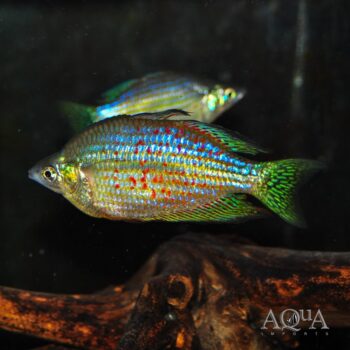
Product description coming soon.
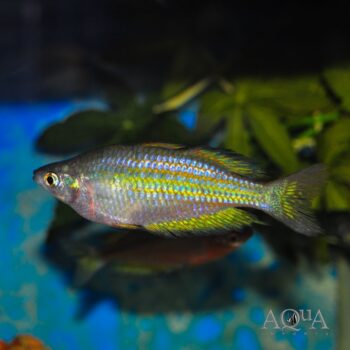
Product description coming soon.
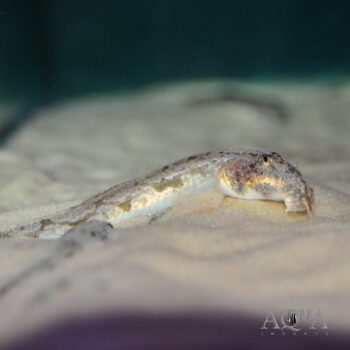
The Moose Face Loach (Canthophrys gongota) also known as the Moose Head Loach is found in slow moving waters throughout much of northern India. They require a fine sand substrate where they will spend much of their time buried with only their eyes poking out. In the wild they sift through fine substrates and mud for small invertebrates to feed on. In the aquarium they will accept most prepared foods.
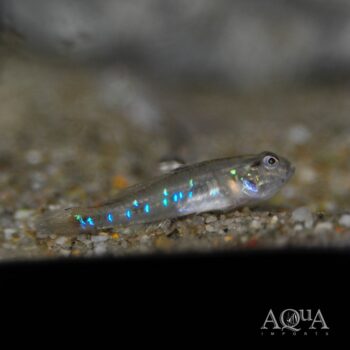
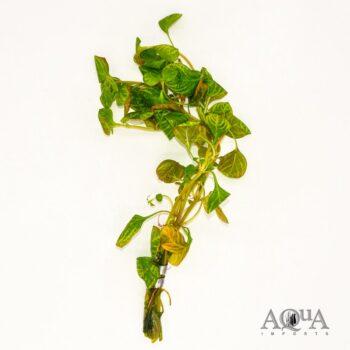
Hygrophila ‘Red Skeleton’ Care Level: Intermediate Preferred Light Level: Moderate to high Placement/Size: A medium to large plant usually used for mid- or background planting Shipping Note: All our foods and aquatic plants ship FREE with any live fish order; OR food/plant only orders ship for a flat rate of $10.99
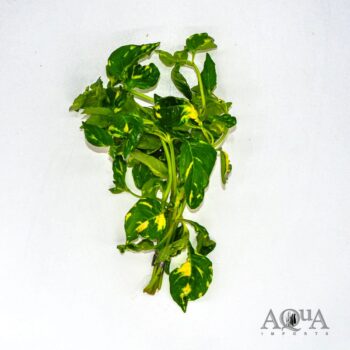
Marble Temple (Hygrophila Corymbosa ‘Variegated’) Care Level: Beginner Preferred Light Level: Low to moderate Placement/Size: A medium to large plant usually used for mid- or background planting Shipping Note: All our foods and aquatic plants ship FREE with any live fish order; OR food/plant only orders ship for a flat rate of $10.99
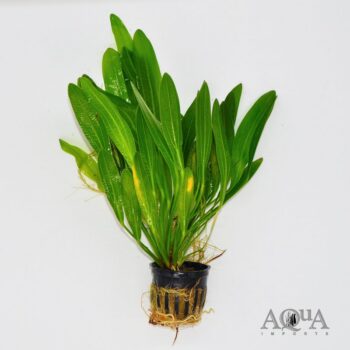
Uruguayensis Sword (Echinodorus uruguayensis) Care Level: Beginner Preferred Light Level: Low to moderate Placement/Size: A large plant usually used for background planting. Leaves will grow upwards of 11″ in a rosette pattern. Shipping Note: All our foods and aquatic plants ship FREE with any live fish order; OR food/plant only orders ship for a…
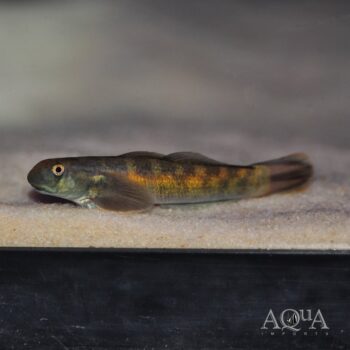
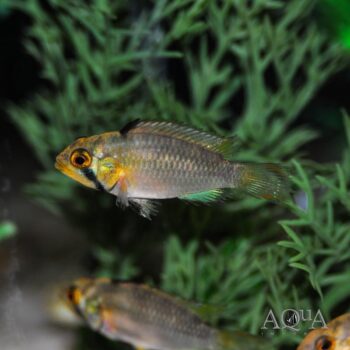
The Panduro or Pandurini Apisto is one of the more attractively colored Dwarf Cichlids in the hobby, with mature males displaying a unique sky blue coloration. A hardy and relatively peaceful species, they are ideal for smaller aquariums and do best with ample cover in the form of plants, driftwood, and small caves.
A note on Apistogramma: Unless otherwise specified, Apistogramma are sold as unsexed individuals. We will make our best efforts to send pairs or a requested ratio of male to female but we do not guarantee sex on these fish. We recommend buying in groups to ensure adequate males and females for breeding.
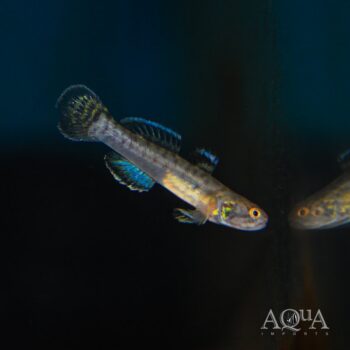
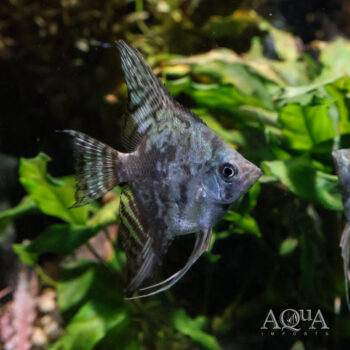
An aquarium hobby classic, the common Angel (Pterophyllum scalare) has been selectively bred into many different color forms and variants over the years. The Avatar Smokey Angelfish is a highly sought after newer color and pattern variant. As a vertically-oriented species, they do best in a large, tall, planted aquarium with plenty of cover. Although peaceful when young, they can be moderately aggressive towards one another as adults but generally do well in a large enough group, usually 5 or more. Most other non-cichlid tankmates will be left alone but they will hunt and eat very small fish or invertebrates. Angels are somewhat sensitive to water quality so care should be taken to avoid large fluctuations in water conditions and partial water changes should be performed regularly.
End of content
End of content
No products in the cart.