Showing 126–150 of 167 resultsSorted by latest
-
$24.99
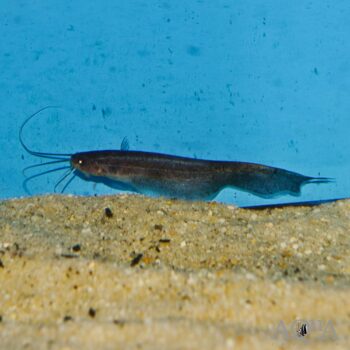
A rare, cryptic catfish or sheathfish found throughout parts of Southeast Asia, the Haeelt’s Leaf Catfish or Asian Leaf Cat inhabits slow moving stretches of river and blackwater swamps in parts of Java, Peninsular Malaysia, and possibly Singapore. Little is known of their habits in the wild, but they mimic fallen leaves and appear to be primarily nocturnal. In the aquarium, they prefer soft, acidic water and will do best in a setup designed to mimic their wild habitat. A shy species, they will do best with other shy or slow-moving tankmates as they can easily be outcompeted for food by fast or aggressive fish.
-
$39.99 – $119.99Price range: $39.99 through $119.99
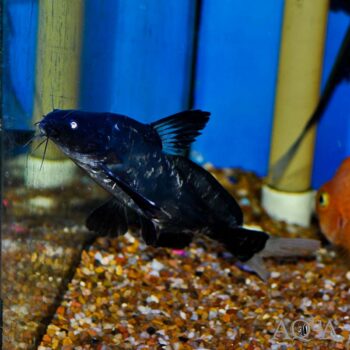
A striking, large predatory catfish, the Black Lancer is known from moderate to slow-moving large rivers in Sumatra. In the aquarium, they can be shy at first but will become more outgoing over time and if provided with enough cover. Although they will eat smaller fish, they typically will not bother fish too big to be eaten and can be kept in groups in an appropriately large aquarium.
-
$39.99 – $129.99Price range: $39.99 through $129.99
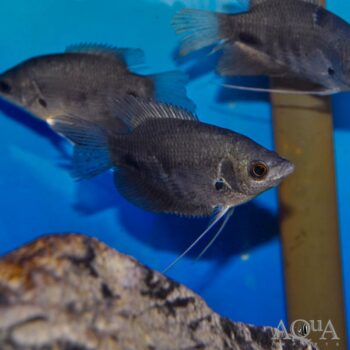
The Red Tail Giant Gourami is a less common species of Giant Gourami which develops striking red caudal and dorsal fins as it matures. As a true giant, it lives up to its name, reaching an adult size of over 20″ in many cases. Despite their large size, they are typically gentle giants, and are extremely personable “pet” fish that will beg for food and often learn to recognize their owners. They are hardy and undemanding but will need a suitably large tank to be kept successfully. In the wild, much of their diet consists of fruit and they will happily accept treats like strawberries and grapes in the aquarium.
-
$249.99
Product description coming soon.
-
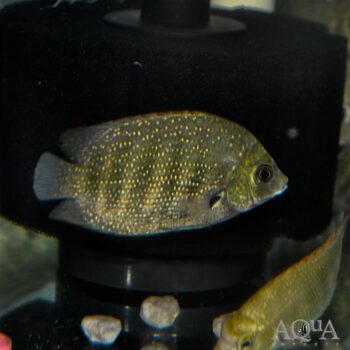
$16.99 – $24.99Price range: $16.99 through $24.99
An unusual cichlid which inhabits fresh, brackish, and even occasionally pure marine habitat, the Green Chromide originates in coastal regions of Sri Lanka and Southeastern India. In the wild, it tends to be found in groups and is a social fish in the aquarium, best kept in groups of 4-6. Although they are typically found in brackish waters, they are highly adaptable and will do fine in full freshwater long term as well (slightly hard water is best). The Green Chromide is fairly peaceful for a cichlid and will usually get along with most similarly sized tankmates.
-
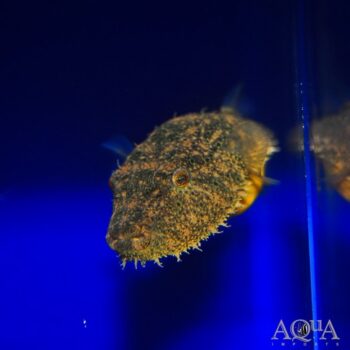
$99.99 – $129.99Price range: $99.99 through $129.99
A unique ambush predator found in the Middle Mekong drainage in Thailand, Laos, and possibly Cambodia, the Hairy Puffer gets its name from the ring of small fleshy tassels that surrounds its head. In the wild, they tend to inhabit extremely fast-moving waters, including powerful rapids, but spend most of their time partially buried in substrate where they wait for prey to swim above them. In the aquarium, they are best kept in a species tank as they are likely to attack most tankmates. This species has been successfully kept in pairs and bred in an aquarium setting.
-
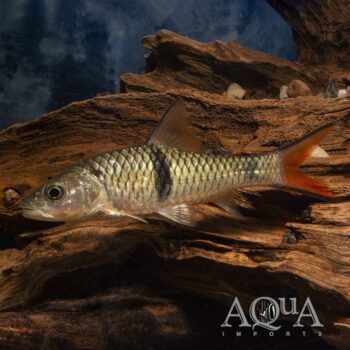
$39.99 – $44.99Price range: $39.99 through $44.99
A large growing schooling fish found in clear, fast-moving waters in Thailand and Myanmar, the Hampala or Sidebar barb (Hampala macrolepidota) is a predatory but relatively peaceful barb. In the aquarium, they make an excellent dither fish for other large predatory fish and will do best with some water movement and frequent large water changes. Like many larger barbs, they can be skittish and first and will do best in a group of 3-5 fish. Some cover in the form of driftwood or artificial plants (live ones will be eaten) will help them settle into the aquarium environment.
-
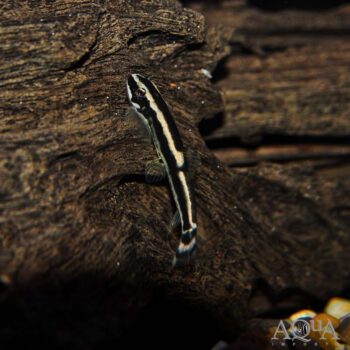
$24.99
The Gold Line Panda Loach is variant of the popular Panda Loach, exhibiting a unique striped pattern. This small species originating from cool, fast flowing streams in Southern China is an algae grazer and scavenger. They will do best in an aquarium with some current and ample rocks or driftwood for cover and grazing surfaces. Although they will adapt to warmer temperatures for a time they will do best at cooler temperatures (68-75) long term.
-
$46.99
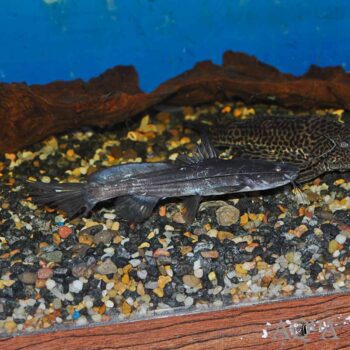
A rarely seen catfish found in parts of Borneo, Indonesia, very little is known about the Dragon or Rooster Catfish in the wild. In the aquarium, it appears to be hardy and undemanding, and with a maximum size of about 8″ it is very suitable for medium to large tanks. With their unmistakable long, flowing tail and active nature they make for a unique and showy addition to any medium/large fish community.
-
$34.99
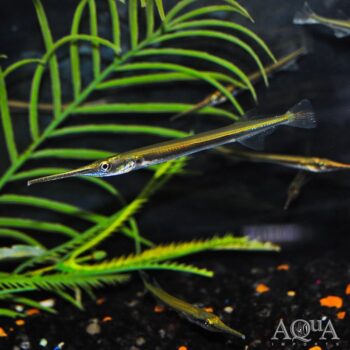
A unique predatory needlefish found throughout fresh and brackish waters across Southeast Asia, The Needle Nose Gar inhabits shallow, quiet streams and smaller rivers, usually in areas with overhanging vegetation. As a highly adapted surface-dwelling predator, they use their long jaws and lightning fast reflexes to capture small fish and insects at the water’s surface. In the aquarium, they require plenty of open space for swimming, floating plants or similar surface cover, and are best kept in groups. Although they can easily adapt to brackish and almost full strength marine conditions, most collected for the trade originate in areas of pure freshwater.
-
Sale!
$29.99 Original price was: $29.99.$24.99Current price is: $24.99.
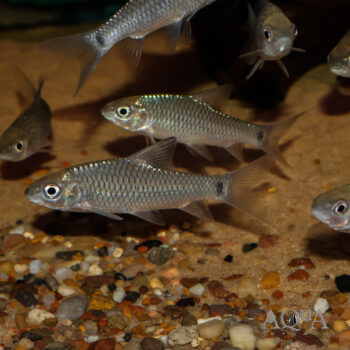
The Chinese Phoenix Barb (Spinibarbus denticulatus) is a commonly farmed fish in Southern China and Northern Vietnam, where they are considered an important food fish. Although dull as juveniles, they develop into very impressive adults, displaying deep reds in the fins and a high contrast black-and-silver pattern on the body. They are found in a wide range of temperatures, and will tolerate both tropical and subtropical temperatures. Although hardy and adaptable, they will do best in clean, well-oxygenated water with moderate current. A peaceful species which will do well with most similarly sized fish.
-
$54.99
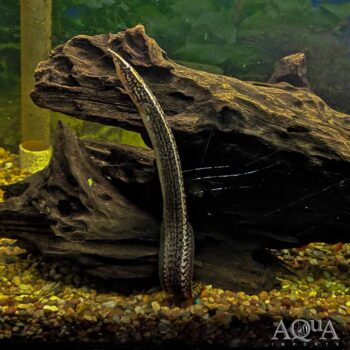
A medium sized species of Spiny Eel known from Guinea, Sierra Leone, and Liberia in West Africa, the Orange Spot or Liberian Eel is found in shallow, muddy rivers and streams throughout lowland tropical areas. In the wild, it spends much of its time buried in muddy or sandy substrate, using its specialized and highly sensitive nose to seek out prey. In the aquarium, they are a hardy species but will do best with plenty of hiding places as they can be shy at first. A slow and deliberate feeder, they can be outcompeted for food by fast moving or aggressive fish so tankmates should be chosen with care. Like all eels, they will use any opportunity to jump or crawl out of a tank so a tight fitting lid is essential.
-
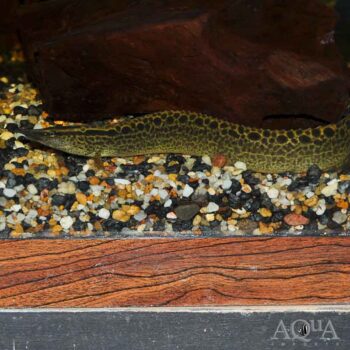
$74.99
The rare Pantherinus Eel (Mastacembelus pantherinus), also known as the panther eel, hails from Lake Indawgyi in Myanmar/Burma. They are a relatively large member of the genus Mastacembelus, the spiny eels, growing up to 18″ long. Other members of the genus include fire eels and zigzag eels.
-
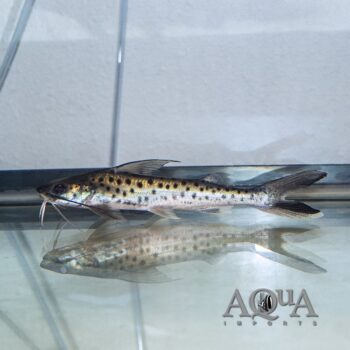
$1,099.99 – $1,499.99Price range: $1,099.99 through $1,499.99
A large, open-water-dwelling predatory catfish found throughout the Amazon and Orinoco Basins, the Lince Catfish is a challenging but unmistakably impressive fish to maintain in an appropriately sized aquarium or pond. Found in fast-moving, well-oxygenated waters in main river channels, they require excellent water quality, high levels of dissolved oxygen, and ideally plenty of water movement. Realistically only a heated pond or enormous custom aquarium can house this species for life. Although generally not aggressive with comparably-sized tankmates, they will attempt to eat fish half their own size or smaller.
-
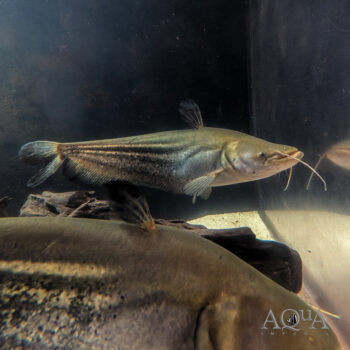
$399.99
An enormous predatory catfish from the rivers of Southeast Asia, the Striped Wallago Catfish (Wallagonia leerii) is a true monster fish and an important food fish species throughout its native habitat. Relatively hardy and undemanding, their main requirement in the aquarium is ample space for a fish that can grow to over 6 feet in size. Realistically only a heated pond or enormous custom aquarium can house this species for life. Although generally not aggressive with comparably-sized tankmates, they will attempt to swallow fish nearly their own size.
-
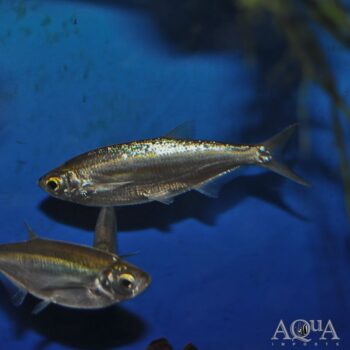
$24.99
A unique and rarely seen Cyprinid found throughout much of Southeast Asia’s freshwater rivers and lakes, Paralaubuca harmandi is so poorly known in the aquarium hobby that it does not yet have a common name. A loosely schooling fish usually found in shallow water areas, they are fast swimmers and extremely active in the aquarium – like most schooling species best kept in a group of 3-5 or more. With their size and active nature, they make excellent dither fish for aquariums with larger cichlids or other predatory species.
-
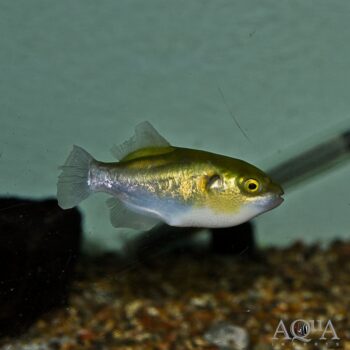
$7.99 – $29.99Price range: $7.99 through $29.99
A true freshwater puffer found in parts of Southeast Asia, the Greenbottle Puffer is a unique, fast-moving species which is often found in groups in the wild. Like most puffers, they are prone to nipping the fins of other fish, so should be kept with hardy, fast-moving tankmates (if any). This species can be kept in a group of 5 or more fish, although they should be fed heavily and given plenty of cover to avoid aggression. They are known to inhabit fast flowing waters, so the addition of a powerhead for some current may be beneficial.
-
Sale!
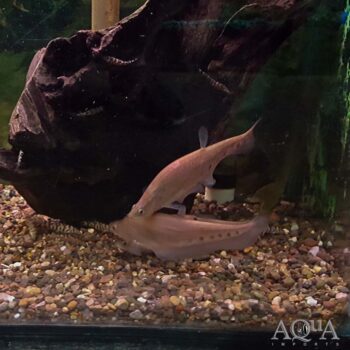
$44.99 – $99.99Price range: $44.99 through $99.99
One of the larger species of knifefish, the Clown Knife is found throughout much of Southeast Asia, where it is an important food fish. It is now extensively farm raised for food and for the aquarium trade. The Gold color form is a colorful line bred variety of the fish similar to an albino. A predatory species with a surprisingly large mouth, Clown Knives can easily eat fish up to 1/3rd their size in many cases. Despite their predatory nature, they are peaceful towards nearly all tankmates too big to be eaten.
-
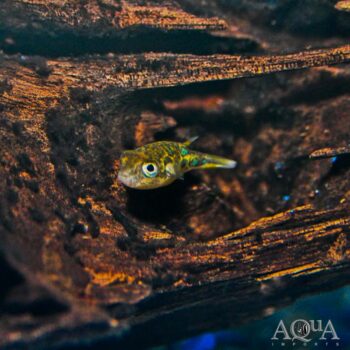
$4.99
The smallest known species of pufferfish and a true freshwater species, the Pea or Indian Dwarf Puffer is found in shallow, warm, slow-moving waters in Central and Southwestern India. With their small adult size, inquisitive nature, and interesting group dynamics, they are deservedly popular among nano aquarium keepers and they will do well in an aquascaped or planted tank. A social fish best kept in groups of 5 or more, like all puffers they may nip at the fins of other fish (especially slow moving or long finned species) so tankmates should be chosen with caution. With a preference for relatively soft, slightly acidic water they are a hardy and adaptable species that will generally do well in most aquariums. This species has been successfully bred in the aquarium.
-
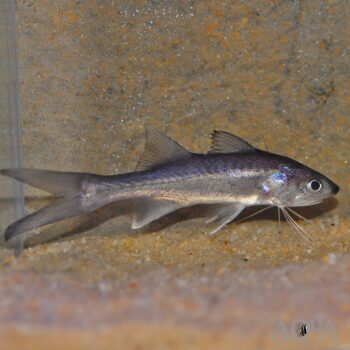
$149.99
Product description coming soon.
-
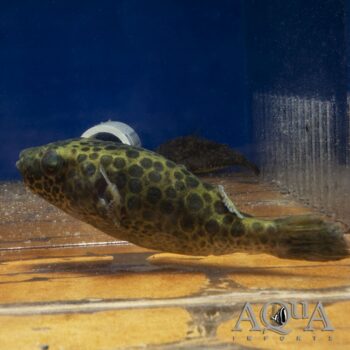
$69.99
An attractive and uncommonly imported freshwater puffer from the Greater Mekong Basin in Thailand and Cambodia, the Mekong River Puffer is typically found in shallow water habitat with significant plant coverage. Like most puffers, they use their sharp, powerful beaks to hunt and eat insects, molluscs, and crustaceans. In the aquarium, they are a relatively hardy species and can usually be kept in a group but as with most puffer species any other tankmates can be risky. In the wild, they feed on snails, clams, and other crustaceans and will require regular feedings with hard-shelled prey items in the aquarium to keep their teeth from overgrowing.
-
Sale!
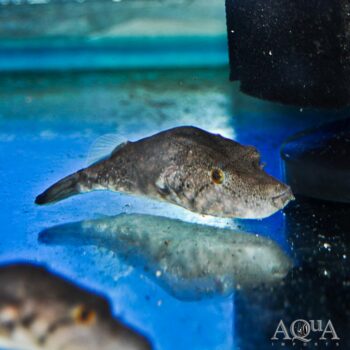
$89.99 – $129.99Price range: $89.99 through $129.99
A highly adapted ambush predator found in the fast-flowing waters of the middle Mekong, the Pignose or Arrowhead Puffer spends most of its time buried in sandy or silty substrate in the wild. Its upward facing mouth and excellent vision allow it to lie in wait for other fish or invertebrates to pass overhead, striking almost instantaneously to take a bite of the unprotected underbelly with their sharp beaks. In the aquarium they are interesting if not particularly active fish, best kept alone in a species tank. Any tankmates are generally at risk of being eaten. The addition of some rocks and hiding places along with moderate to strong current and aeration will help keep them more active and engaged in the aquarium setting. Like most freshwater puffers, hard-shelled prey items like snails, clams, crawfish and similar are important additions to their diet to ensure their beak-like teeth don’t overgrow.
-
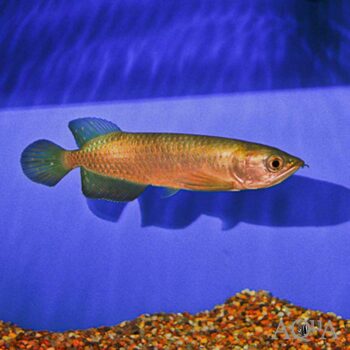
$169.99 – $349.99Price range: $169.99 through $349.99
The Australian or Jardini Arowana is a large and attractively marked species hailing from the ancient family of fishes known as ‘bonytongues’ and distantly related to the more commonly seen Silver Arowana. These fish are found throughout Australia, New Guinea, and parts of Indonesia where they tend to inhabit shallow, slow moving waters. Less of a strict surface dweller than their South American cousins, the Jardini Arowana is a powerful swimmer and can be territorial and aggressive toward tankmates. Although it is one of the smaller species of Arowana, it will still reach a substantial size and requires a very large aquarium.
-
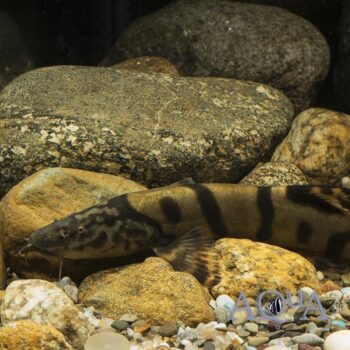
$124.99
The Royal Clown Loach or Imperial Flower Loach is the largest species of loach or botia in the world, originating in the subtropical waters of China’s Yangtze River. An elongated species well adapted to life in fast-moving water, they are powerful swimmers which prefer strong current and well-oxygenated water in the aquarium. In the wild, they feed on worms, crustaceans, and other fish (including smaller loaches). They will readily hunt down and eat small tankmates so should be kept with similarly sized fish. As a cooler water species, they do best in an unheated tank with temperatures ranging from 55-74F.
-
$59.99 – $159.99Price range: $59.99 through $159.99
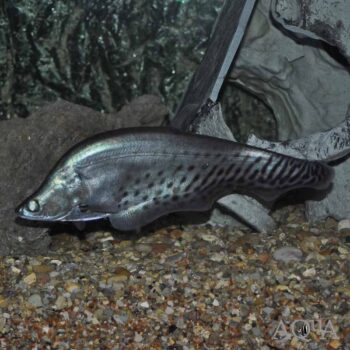
An uncommon and beautifully marked species of knifefish, the Royal Clown Knife (Chitala blanci) is found in fast-moving waters of the middle Mekong along the Thailand – Laos border. A predatory species with a surprisingly large mouth, they can easily eat fish up to 1/3rd their size in many cases. Despite their predatory nature, they are peaceful towards nearly all tankmates too big to be eaten. Often shy at first, they will do best in an aquarium with ample hiding spaces and moderate to strong water movement. Over time, they will become more bold and active in the aquarium and larger specimens make impressive display fish with their vivid silver sheen, long undulating fin, and striking reticulated pattern of black markings which typically grows more intricate as the fish grows.
End of content
End of content