Showing 51–75 of 195 resultsSorted by latest
-
$59.99 – $69.99Price range: $59.99 through $69.99
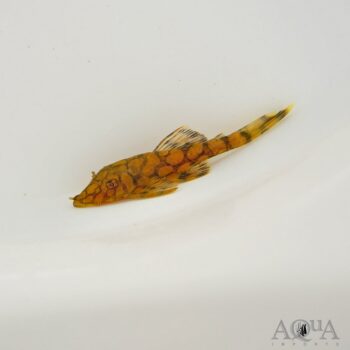
The L519 Honeycomb Bristlenose Pleco or L519 Rio Itenez Bristlenose Pleco, recently discovered in 2019, is considered a rare species of Ancistrus in the hobby. Native to the Río Iténez of Bolivia, they like slightly acidic/soft water and feed on vegetable matter. Their small size (maxing out around 3.5″) along with ornate honeycomb pattern has resulted in them being extremely sought after by aquarists.
-
$39.99 – $59.99Price range: $39.99 through $59.99
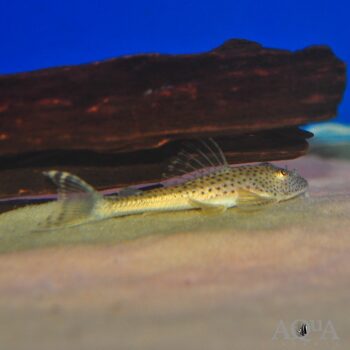
Product description coming soon.
-
$9.99
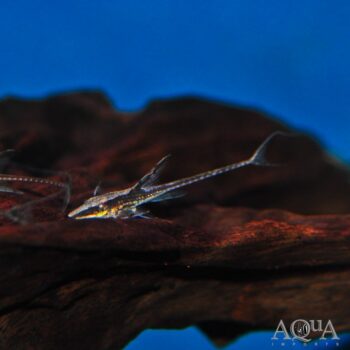
Product description coming soon.
-
$49.99
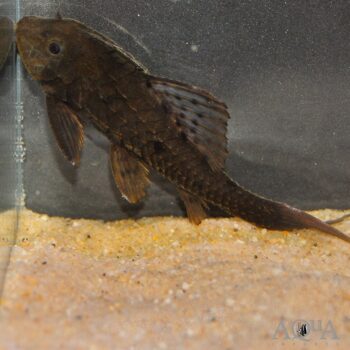
A rare and distinctly armored member of the Plecostomus group, the Orinoco Pinecone Pleco (Pseudorinelepis cf. genibarbis) is native to the Orinoco River Basin of Colombia. These oddball monster fish routinely grow over 12 inches long and have a generally peaceful temperament towards most tankmates, but can be territorial with other plecos. In the wild, it is usually found in sediment rich white water rivers close to large piles of driftwood or submerged logs.
-
$59.99
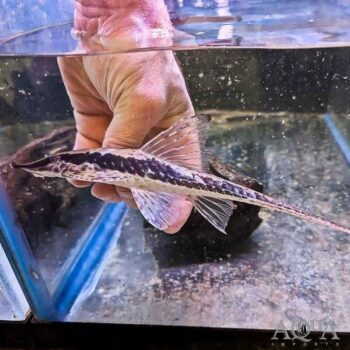
Procduct description coming soon.
-
$59.99
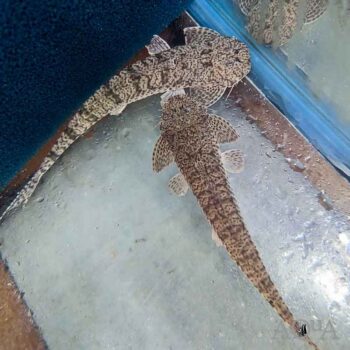
Product description coming soon.
-
$44.99
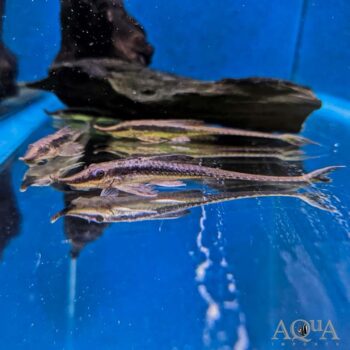
A peaceful, medium growing and uniquely shaped Loricariid, the Peruvian Whiptail is a unique oddball fish that is available seasonally in the hobby. They are an effective algae grazer, mostly live plant safe, and will live peacefully with nearly all tankmates, making them a unique addition to a medium to large community aquarium. In the wild, they are usually found on and around driftwood piles and will benefit from driftwood as well as live or artificial plants to provide cover. They should be fed regularly with a sinking herbivore diet or fresh veggies and will supplement this diet by grazing on nuisance algae on glass and decor in the aquarium.
-
$49.99 – $299.99Price range: $49.99 through $299.99
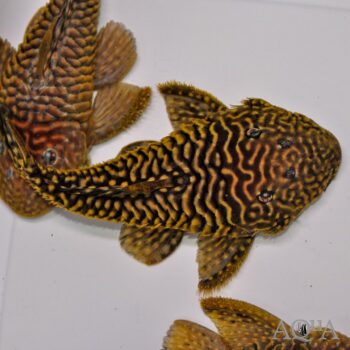
A unique, heavily armored pleco from the Tocantins river basin in Eastern Brazil, the Rubber or Chubby Pleco gets its name from its unusually wide, flattened body shape. In the wild, they are found in areas of moderate to fast water movement and typically live in rocky areas. The species is normally a grey color in nature but certain rare and very sought after specimens show a striking all yellow or partially yellow and black coloration. They are a hardy and undemanding pleco in the aquarium but should be offered plenty of cover and excellent water quality should be maintained through frequent large water changes. An omnivore, they will accept most sinking foods and fresh veggies but be sure to offer some protein rich options like Repashy gel diet or Fluval Bug Bites Pleco Formula regularly.
-
$24.99 – $59.99Price range: $24.99 through $59.99
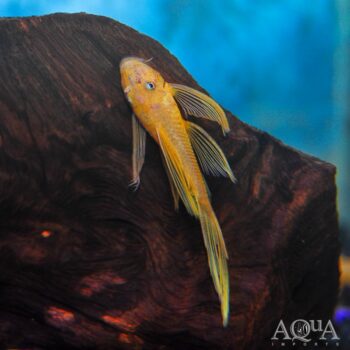
The Blue Eye Lemon Bristlenose Pleco is a line bred variant of the Common Bristlenose or Bushynose Pleco (Ancistrus sp.) developed from the more common albino strain which features vivid blue eyes and deep yellow coloration throughout the body and fins. With their vibrant coloration they make a striking addition to a medium or large community or planted aquarium and are one of the most popular of the many color forms of Ancistrus available in the hobby. As with all Common Bristlenose Plecos, these fish are ideal aquarium inhabitants, grazing on diatom algae while still being safe with live plants and peaceful towards all tankmates. While these plecos will do an excellent job controlling nuisance algae in the aquarium, they should be fed regularly with a high quality diet like Fluval Bug Bites Pleco formula or herbivore formula Repashy gel diet.
-
$19.99
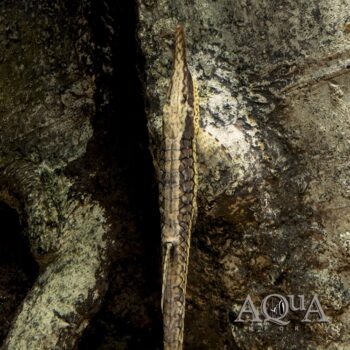
A unique suckermouth catfish that truly lives up to its common name, the Stick Catfish or Common Farlowella is an algae and biofilm grazing species found throughout much of the Amazon and Orinoco basins. In the wild, their twig-like appearance is effective camouflage against predators and allows them to graze on sunken tree branches and driftwood. In the aquarium, they are usually active and outgoing algae grazers that do a great job with diatoms and hair algae both on the glass and on decor. Safe for planted aquaria, they are compatible with nearly any tankmates. When kept in optimal conditions, this species will spawn readily in the aquarium, often on the glass or other vertical flat surfaces.
-
$149.99 – $179.99Price range: $149.99 through $179.99
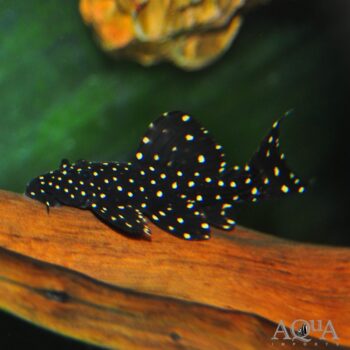
The L452 Mustang Cactus Pleco (Pseudcanthicus sp. L452) is a spectacularly unique Pleco addition to any aquarium! Despite being carnivores, these fish are not regarded as predators. Their favorite protein sources seem to be diced mussels, scallops, and prawns. They may exhibit territorial behavior towards fish in the aquarium that occupy similar niches. They are only available seasonally and can be difficult to acquire most of the year.
-

$89.99 – $249.99Price range: $89.99 through $249.99
A rarely seen relative of the more common L240 Galaxy or Vampire Pleco, the L294 Sucunduri Galaxy Pleco originates in the fast-flowing waters of Brazil’s Rio Sucunduri, a tributary of the Canumã which flows into the Rio Madeira. They have an irregular pattern of large, pale yellow spots against a black base color and with age they often develop into unique larger blotches. Like most plecos in the genus Leporacanthicus, the L294 are primarily carnivores, and prefer protein rich foods.
-
$39.99
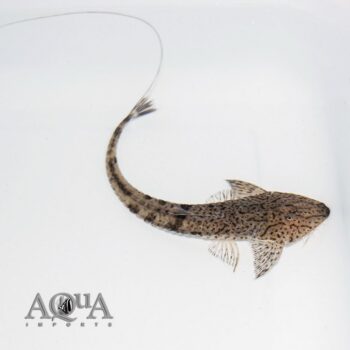
The Tiger Face Loricaria is a smaller growing member of its genus known from the middle Amazon and its tributaries around Iquitos, Peru. This still undescribed species has a unique pattern of intricate black markings on its face and extending into the body. Like most Pseudohemiodon, the Tiger Face Loricaria is typically found in shallow, sandy stretches of river with moderate to strong current, often in groups. In the aquarium, they prefer moderate to high water movement and large open areas of sand substrate. In the wild, they graze on biofilm, algae, small crustaceans and insect larvae and should be fed a varied diet with plenty of proteins such as Repashy Bottom Scratcher or Igapo Explorer gel diet or Fluval Bug Bites pleco formula. They can be territorial with each other so provide plenty of space for each individual fish.
-
$27.99
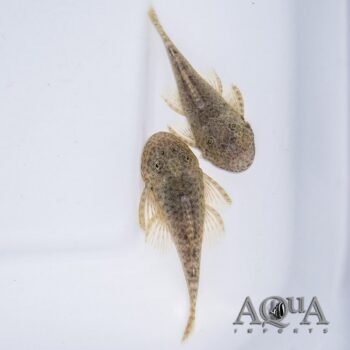
A uniquely patterned relative of the more well known “rubber lip plecos”, the Leopard Rubber Pleco or Leopard Chaetostoma is an undescribed species known from the Rio San Alejandro in Peru. This river is an upper Amazon tributary of the Ucayali, and is characterized by moderately hard, cooler water. Like most members of the genus Chaetostoma, they prefer moderate to strong water movement and are most at home with plenty of caves and rocks to hide among. In the aquarium, they will accept most sinking herbivore foods, gel diets, and fresh veggies.
-
$59.99
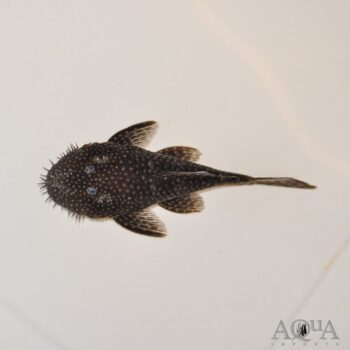
An attractively marked Ancistrus species known from the Yari in Colombia, the Yari Super Gold Bristlenose Pleco has an intricate reticulated or honeycomb pattern that becomes more vibrant with age. Adults of this species are similar to the pleco known in the hobby as Ancistrus sp. ‘wabenmuster’. Like most bristlenose plecos in the genus Ancistrus, they are hardy and adaptable in the aquarium in addition to being excellent nuisance algae eaters. Adult males develop extensive ‘tentacles’ around the snout which gives this complex its common name. Species in this genus are generally easy to breed in the aquarium when provided with good quality food and maintained in good water quality.
-
$39.99 – $69.99Price range: $39.99 through $69.99
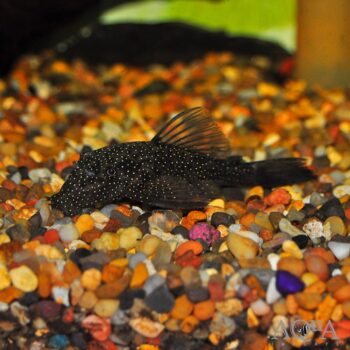
An attractively marked Ancistrus species known from the Yari in Colombia, the Gold Dust Bristlenose Pleco has a unique flattened body shape and a dense pattern of fine vivid gold spots across its entire body. Like most bristlenose plecos in the genus Ancistrus, they are hardy and adaptable in the aquarium in addition to being excellent nuisance algae eaters. Adult males develop extensive ‘tentacles’ around the snout which gives this complex its common name. Species in this genus are generally easy to breed in the aquarium when provided with good quality food and maintained in good water quality.
-
$49.99 – $59.99Price range: $49.99 through $59.99
The L081 Sao Felix Stradust Pleco is a unique naturally occurring color variation of the popular Gold Nugget Pleco found in the upper Rio Xingu near the town of Sao Felix do Xingu. Like its close relatives, it is found in rocky shallow areas in warm, well-oxygenated water. In the aquarium, it should be provided with plenty of cover and regular feedings of protein rich feeds such as Repashy gel diet or other prepared feeds. They will do best at high temperatures (82 – 86F), lots of water movement and a variety of rocks and caves in which to establish territories. This species can be a challenge to maintain long term and is best suited for experienced hobbyists who can ensure optimal water quality similar to what they would find in nature and a varied diet.
-
$59.99 – $74.99Price range: $59.99 through $74.99
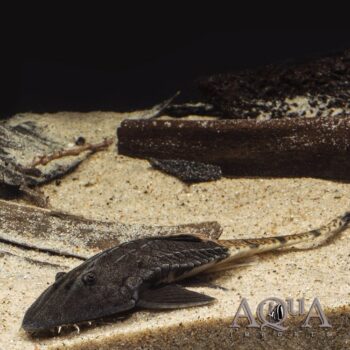
This rare, large-growing Loricariid originates from the Caqueta basin in Colombia and its trubtaries in Northern Ecuador, although a similar looking species is imported from Peru and often misidentified as P. apithanos. The Chameleon Loricaria is typically found in shallow, fast-moving stretches of river, often in groups. In the aquarium, they prefer moderate to high water movement and large open areas of sand substrate. In the wild, they graze on biofilm, algae, small crustaceans and insect larvae and should be fed a varied diet with plenty of proteins such as Repashy Bottom Scratcher or Igapo Explorer gel diet or Fluval Bug Bites pleco formula. They can be territorial with each other so provide plenty of space for each individual fish.
-
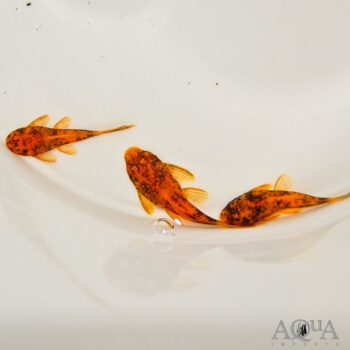
$19.99 – $39.99Price range: $19.99 through $39.99
A uniquely colored variant of the bushynose or bristlenose pleco, the Calico Bristlenose Pleco (Ancistrus sp.) is one of the smaller plecos in the aquarium hobby. Bristlenose Plecos grows up to 6 inches and males will develop characteristic tentacles on their faces as they mature. These herbivorous fish are native to South America, spending much of their time grazing on wood and algae. The bristlenose’s generally peaceful temperament makes it an excellent choice for a freshwater community tank.
-
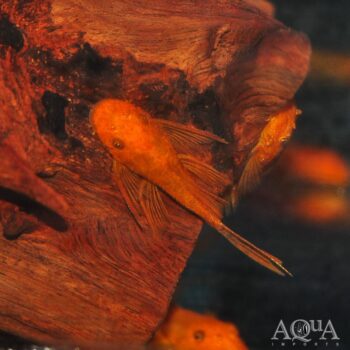
$44.99 – $49.99Price range: $44.99 through $49.99
A uniquely colored variant of the bushynose or bristlenose pleco, the Long Fin Super Red Bristlenose Pleco (Ancistrus sp.) is one of the smaller plecos in the aquarium hobby. The Long Fin Super Red Bristlenose Pleco grows up to 6 inches and males will develop characteristic tentacles on their faces as they mature. These herbivorous fish are native to South America, spending much of their time grazing on wood and algae. The bristlenose’s generally peaceful temperament makes it an excellent choice for a freshwater community tank.
-
$39.99
A large growing and distinctively armored pleco found in tributaries of the middle Amazon in Brazil, the Spotted Pinecone Pleco is named for its unique large plate-like scales. In the wild, it is usually found in sediment rich white water rivers close to large piles of driftwood or submerged logs. In the aquarium, the Spotted Pinecone Pleco is a hardy and adaptable species, and unlike other large plecos they tend to get along well with other similar species and conspecifics.
-
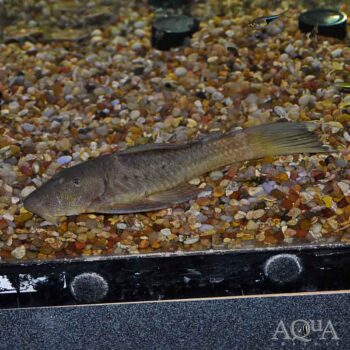
$59.99
A rarely seen and large growing relative of the more well known Rubber Pleco, the Giant Rubberlip Pleco originates from the rocky, fast-moving waters of the Rio Magdalena in Colombia. This species is hardy and adaptable, and among the most effective plecos for diatom and other algae control in larger aquariums. In the wild, they are commonly found in somewhat cooler, well-oxygenated water and should be provided plenty of cover in the aquarium. They are enthusiastic feeders and will readily accept fresh veggies, Repashy gel diet, and other prepared foods designed for herbivores and algae grazers.
-
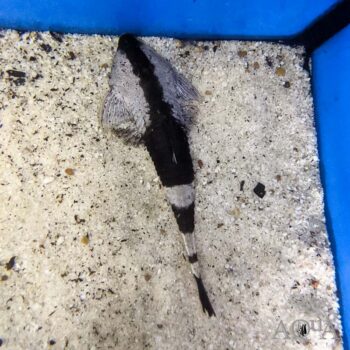
$109.99 – $149.99Price range: $109.99 through $149.99
The ”False” Chameleon Loricaria originates from the upper Rio Nanay in Peru and is closely related to the similar looking Pseudohemiodon apithanos, which is found in the Caqueta basin in Colombia and Ecuador. This still undescribed species tends to be more reddish brown and their stress pattern typically includes a distinct black dorsal stripe. Like their close relatives, the False Chameleon Loricaria is typically found in shallow, sandy stretches of river with moderate to strong current, often in groups. In the aquarium, they prefer moderate to high water movement and large open areas of sand substrate. In the wild, they graze on biofilm, algae, small crustaceans and insect larvae and should be fed a varied diet with plenty of proteins such as Repashy Bottom Scratcher or Igapo Explorer gel diet or Fluval Bug Bites pleco formula. They can be territorial with each other so provide plenty of space for each individual fish.
-
$14.99
Adistinctively marked and uncommonly imported relative of the common Otocinclus, the Longnose Peppermint Oto is known from the lower Rio Negro and its tributaries in the Brazilian Amazon, where it spends most of its time grazing on submerged driftwood and vegetation. An ideal algae eater for most community or planted aquariums, they will eat filamented algae and diatoms from most surfaces, including the aquarium glass. Like most of their close relatives, they are social fish, best kept in groups.
-
$139.99 – $299.99Price range: $139.99 through $299.99
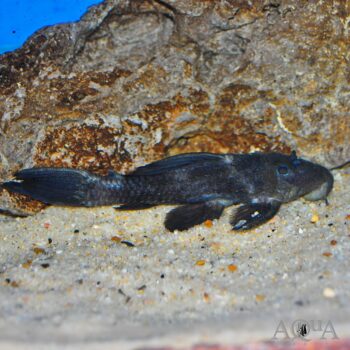
A large growing and impressive armored pleco known from Brazil’s Rio Tocantins, the L064 Ghost Cactus Pleco inhabits deeper stretches of rocky, fast-moving waters in the wild. Like most of its close relatives in the genus Pseudacanthicus , it is a somewhat territorial fish, and primarily a carnivore which prefers protein rich foods. Due to their large adult size and fairly active nature, the Ghost Cactus Pleco requires a large aquarium with cover in the form of driftwood, rock work or caves and will do best in well-oxygenated water with moderate to strong current.
End of content
End of content