Showing 1–25 of 195 resultsSorted by latest
-
$69.99
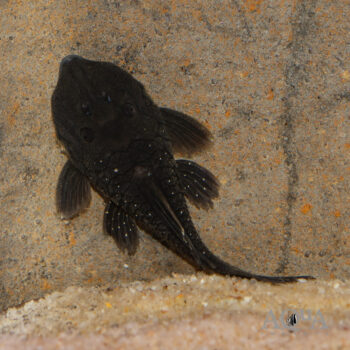
A unique, heavily armored pleco from the Xingu river basin in Brazil, the L332 Green Chubby Pleco or Olive Armor Pleco (Parancistrus sp. L332) gets its name from its unusually wide, flattened body shape. In the wild, they are found in areas of moderate to fast water movement and typically live in rocky areas. They are a hardy and undemanding pleco in the aquarium but should be offered plenty of cover and excellent water quality should be maintained through frequent large water changes. An omnivore, they will accept most sinking foods and fresh veggies but be sure to offer some protein rich options like Repashy gel diet or Fluval Bug Bites Pleco Formula regularly.
-
$44.99
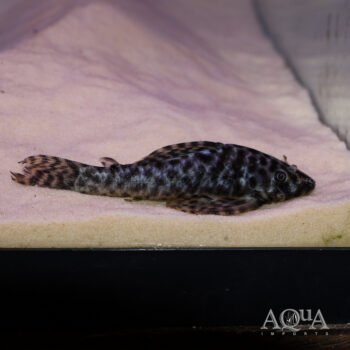
Found along the edges of fast-flowing reaches of the middle Amazon in Peru, the LDA030 Bola Pleco (Peckoltichthys bachi) is a smaller and uncommon species of Peckoltia distinguished by its marbled coloration. They should be fed an omnivorous diet high in protein and will also accept fresh veggies and specialty prepared diets like Repashy’s Morning Wood in the aquarium.
-
$649.99
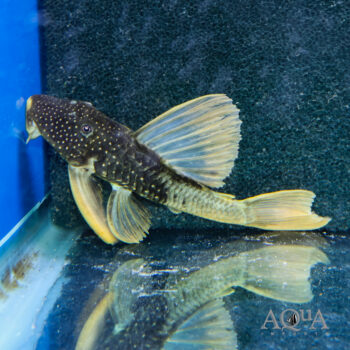
A colorful, large growing Hypostomus species found in the river basins of Uruguay, the Golden Sailfin Pleco or Luteus Pleco (Hypostomus luteus) makes an excellent aquarium fish for a large aquarium. These spectacular plecos are available in three phases as they mature: young – dark with spots (phase 1), sub adult – spotted and gold (phase 2), adult – sold gold (phase 3). They are outgoing in the aquarium compared to most pleco species and are known to sit out in the open displaying their dorsal fin.
-
$34.99
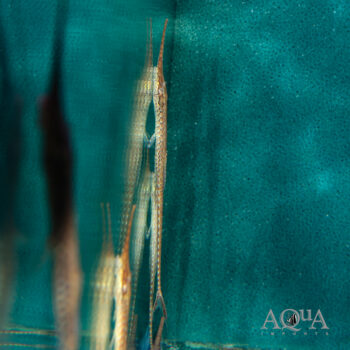
A unique suckermouth catfish that truly lives up to its common name, the Stick Catfish or Common Farlowella is an algae and biofilm grazing species found throughout much of South America. In the wild, their twig-like appearance is effective camouflage against predators and allows them to graze on sunken tree branches and driftwood. In the aquarium, they are usually active and outgoing algae grazers that do a great job with diatoms and hair algae both on the glass and on decor. Safe for planted aquaria, they are compatible with nearly any tankmates. When kept in optimal conditions, this species will spawn readily in the aquarium, often on the glass or other vertical flat surfaces.
-
$54.99
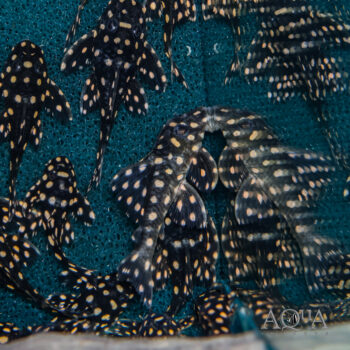
The L471 Dwarf Snowball Pleco or L471 Mini Snowball Pleco is one of several small spotted species of Hypancistrus found in the upper Orinoco River basin of South America. Like its relatives, it prefers warm, slightly soft water and is sensitive to poor water quality so regular water changes are a must. They should be fed a varied diet high in proteins, including frozen bloodworms, sinking prepared foods, and Repashy gel diet.
-
$249.99 – $399.99Price range: $249.99 through $399.99
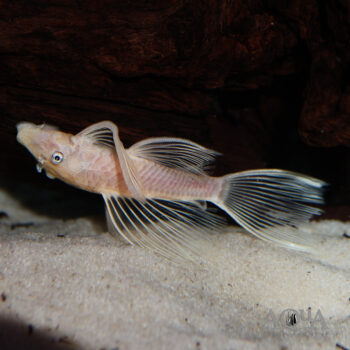
The Longfin Snow White Bristlenose Pleco is a line bred variant of the Common Bristlenose or Bushynose Pleco (Ancistrus sp.) developed from the more common albino strain which features vivid blue eyes and long white fins. With their bright white coloration, they make a striking addition to a medium or large community or planted aquarium and are one of the most popular of the many color forms of Ancistrus available in the hobby. As with all Common Bristlenose Plecos, these fish are ideal aquarium inhabitants, grazing on diatom algae while still being safe with live plants and peaceful towards all tankmates. While these plecos will do an excellent job controlling nuisance algae in the aquarium, they should be fed regularly with a high quality diet like Repashy gel formulas.
-
$29.99
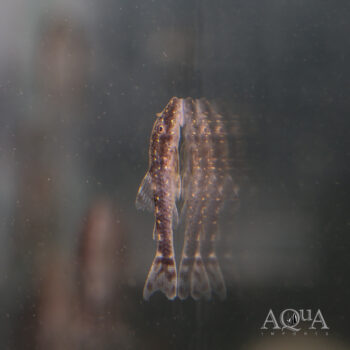
A distinctively marked and uncommonly imported relative of the common Otocinclus, the Galaxy Oto (Parotocinclus haroldoi) is known only from the Parnaíba River and its tributaries, where it spends most of its time grazing on submerged driftwood and vegetation. An ideal algae eater for most community or planted aquariums, they will eat filamented algae and diatoms from most surfaces, including the aquarium glass. Like most of their close relatives, they are social fish, best kept in groups.
-
$69.99
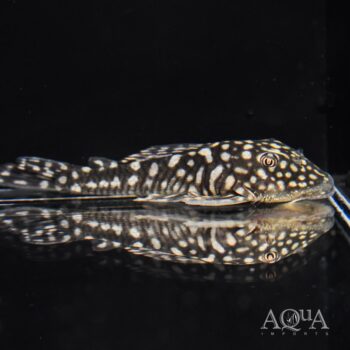
An attractive, smaller sized pleco found in the waters of Brazil’s Rio Jaguaribe, the Slate Pleco (Pseudancistrus genisetiger) is a uncommon in the aquarium hobby. In nature, the species is largely herbivorous, feeding on algae mats, terrestrial and aquatic plants, and biofilms, but as with most herbivorous plecos they take in plenty of insect larvae, crustaceans, and other protein sources. A varied diet including plenty of vegetable matter will ensure this species thrives long-term. The genus Pseudancistrus is often known as “bearded plecos” as males will develop impressive rigid bristles around the outer rim of their snouts.
-
$3.99
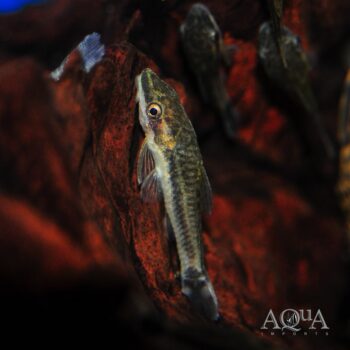
One of the most popular aquarium algae eaters (and for good reason), the Amazon Otocinclus, Oto, or Oto Catfish is a small, schooling suckermouth cat found throughout much of South America. There are several species of Otocinclus commonly imported for the aquarium trade, but of these the larger, more robust species found in the Central Amazon (O. cf. macrospilus) is probably the hardiest and best choice for most aquariums. Safe for all planted tanks and compatible with any peaceful tankmates, the Amazon Otocinclus will feed readily on diatom and other forms of nuisance algae in the aquarium but should be supplemented regularly with sinking veggie-based foods, gel diet, and fresh vegetables like zucchini or romaine lettuce. A social species often found in huge aggregations, all Otocinclus species should be kept in groups of at least 5 but preferably 10 or more fish if space allows.
-
$19.99
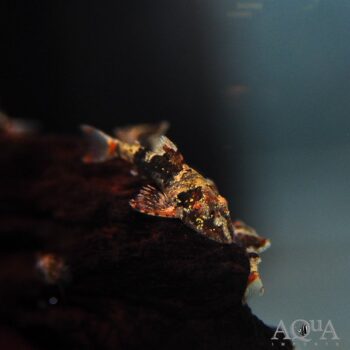
The Bumble Bee Oto (Rhinotocinclus isabelae) is found in the Rio Nanay near Iquitos, Peru. These fish prefer mild flow and cover in the form of plants and driftwood. As a herbivore, this fish will consume biofilms and filamentous algae in your tank, benefiting the overall ecosystem. When there is a scarcity of algae in your tank, you can supplement the oto’s diet with algae wafers. This small peaceful species that will mingle well in a community or planted tank. They are best kept in groups of 5 or more.
-
$39.99
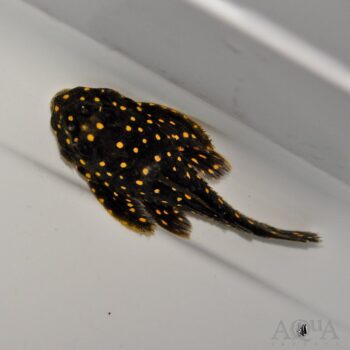
The L201 Snowball Pleco or Orinoco Angel Pleco is one of several small spotted species of Hypancistrus found in the upper Orinoco River basin of South America. Like its relatives, it prefers warm, slightly soft water and is sensitive to poor water quality so regular water changes are a must. They should be fed a varied diet high in proteins, including frozen bloodworms, sinking prepared foods, and Repashy gel diet.
-
$449.99 – $499.99Price range: $449.99 through $499.99
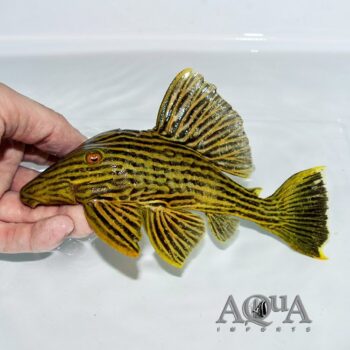
A vibrantly colored and distinctly marked variant of Royal Pleco, the Goldline Royal originates from the waters of the Rio Araguaia in Brazil. Its common name comes from their striking, high contrast pattern of black stripes against a vivid yellow-gold body coloration. Like all species of Panaque, they have specialized teeth and are adapted to eat and even digest wood, although the Woodgrain Royal Pleco also feeds on submerged vegetation and invertebrates. Conditions in the aquarium should be as close to their wild habitat as possible, with moderate to strong current, warm temperatures, and excellent water quality. Due to their specialized diet, we recommend providing driftwood for grazing and feeding a specialty diet like Repashy Morning Wood.
-
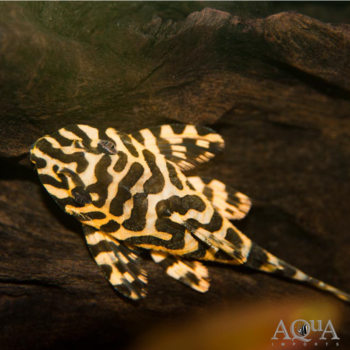
$74.99 – $79.99Price range: $74.99 through $79.99
One of the most attractively patterned and sought after members of its genus, the Leopard Frog or Imperial Tiger Pleco is found in the clear waters of the Rio Tapajos and its tributary the Rio Jamanxim in Brazil. Both of these rivers are fairly fast moving but these fish are often found in shallow, more still water areas usually in and around crevices in rocks. An omnivore and grazer, these fish do best when offered a protein rich diet like Repahsy insectivore gel diet or other high quality sinking foods. This species is a cave spawner and will breed in the aquarium if given the proper conditions.
-
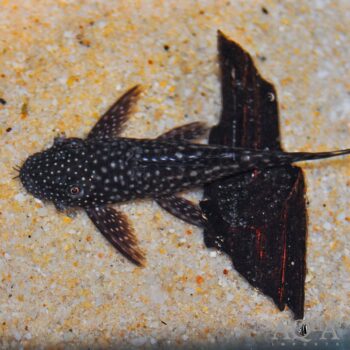
$22.99 – $39.99Price range: $22.99 through $39.99
An attractively marked Ancistrus known from the Rio Momon in the Peruvian Amazon, the Green Spot Momon Bristlenose Pleco is easily distinguished by the namesake large greenish spots found across its entire body. Like most bristlenose plecos in the genus Ancistrus, they are hardy and adaptable in the aquarium in addition to being excellent nuisance algae eaters. Adult males develop extensive ‘tentacles’ around the snout which gives this complex its common name. The species is easy to breed in the aquarium when provided with good quality food and maintained in good water quality.
-
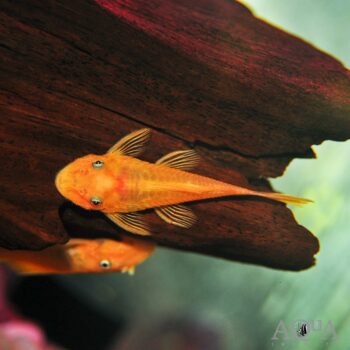
$19.99 – $49.99Price range: $19.99 through $49.99
The Blue Eye Lemon Bristlenose Pleco is a line bred variant of the Common Bristlenose or Bushynose Pleco (Ancistrus sp.) developed from the more common albino strain which features vivid blue eyes and deep yellow coloration throughout the body and fins. With their vibrant coloration they make a striking addition to a medium or large community or planted aquarium and are one of the most popular of the many color forms of Ancistrus available in the hobby. As with all Common Bristlenose Plecos, these fish are ideal aquarium inhabitants, grazing on diatom algae while still being safe with live plants and peaceful towards all tankmates. While these plecos will do an excellent job controlling nuisance algae in the aquarium, they should be fed regularly with a high quality diet like Fluval Bug Bites Pleco formula or herbivore formula Repashy gel diet.
-
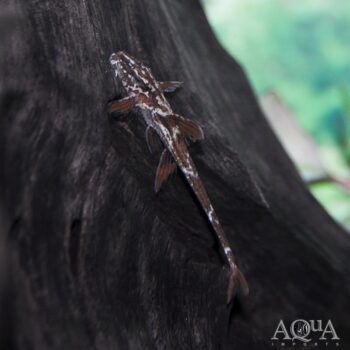
$15.99 – $22.99Price range: $15.99 through $22.99
A colorful and unique smaller Loricariid, the Red Lizard Catfish or Red Lizard Whiptail likely originates from a wild fish found in the lower Amazon in Brazil but has been line bred for their vivid red coloration. With their small adult size, peaceful nature, and utility as a nuisance algae eater, this species is an ideal addition to most medium to large community aquariums. In the wild, they are usually found on and around driftwood piles and will benefit from driftwood as well as live or artificial plants to provide cover. They should be fed regularly with a sinking herbivore diet or fresh veggies and will supplement this diet by grazing on nuisance algae on glass and decor in the aquarium.
-
$59.99 – $69.99Price range: $59.99 through $69.99
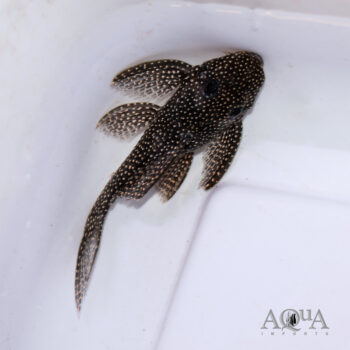
The L262 Fine Spot or Fine Spot Arabesque Pleco is a striking Hypancistrus very similar to its close relative, the L260 Queen Arabesque. These fish originate in the clear waters of the Rio Tapajos in Brazil, where they inhabit rocky, fast-moving shallows. In the aquarium, they are hardy and will feed on a variety of sinking foods but should be given plenty of protein rich foods like Repashy’s insectivore gel diets.
-
$34.99 – $39.99Price range: $34.99 through $39.99
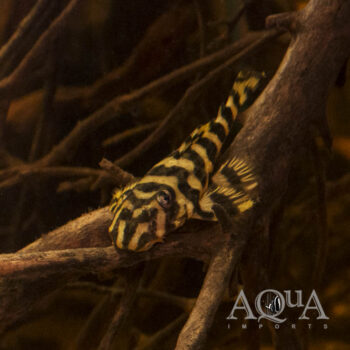
A beautifully patterned pleco found throughout the Atabapo and Orinoco Rivers in Colombia and Venezuela, the L052 Butterfly Pleco or Atabapo Butterfly Pleco inhabits warm, acidic blackwater areas in the wild. In the aquarium, they are hardy and adaptable, but will do best in relatively soft water and when given plenty of driftwood or other hides. They should be offered a varied diet including fresh veggies, sinking prepared foods, and gel diets like Repahy’s Soylent Green or Bottom Scratcher.
-
$169.99 – $499.99Price range: $169.99 through $499.99
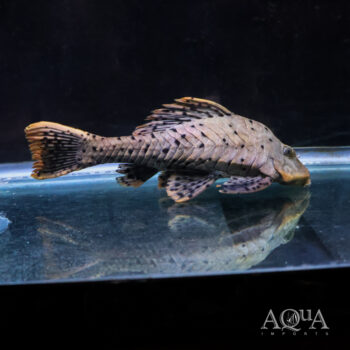
A large and distinctive pleco found in tributaries of the middle Amazon in Brazil, the L095 or Orange Cheek Pinecone Pleco is a rare and sought after species in the hobby. In the wild, it is usually found in sediment rich white water rivers close to large piles of driftwood or submerged logs. In the aquarium, they are hardy and adaptable, and unlike other large plecos they tend to get along well with others of the same species.
-

$59.99 – $79.99Price range: $59.99 through $79.99
A distinctive medium growing Loricariid, the Sultan Pleco or L264 is found in the clear waters of the middle Rio Tapajos in Brazil. In the wild, they are found in relatively fast moving waters usually in and around crevices in rocks. An omnivore and grazer, these fish do best when offered a protein rich diet like Repahsy insectivore gel diet or other high quality sinking foods. In the aquarium, they will do best in clean, well-oxygenated water with some current and plenty of caves and rockwork.
-
$6.49 – $24.99Price range: $6.49 through $24.99
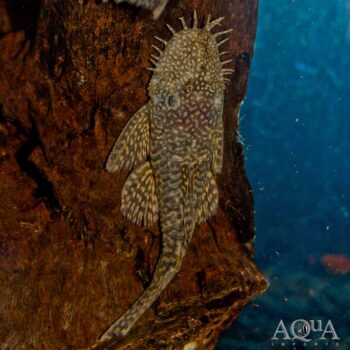
The Common Bristlenose or Bushynose Pleco (Ancistrus sp.) is a popular aquarium species due to its relatively small adult size and usefulness in keeping nuisance algae under control. Hardy, adaptable, and peaceful towards most tankmates, these fish are ideal aquarium inhabitants, grazing on diatom algae while still being safe with live plants. While this species will readily graze on algae in the aquarium, their diet should be supplemented with fresh veggies and high quality foods like Repashy gel diet or Fluval Bug Bites Pleco formula.
-
$8.99
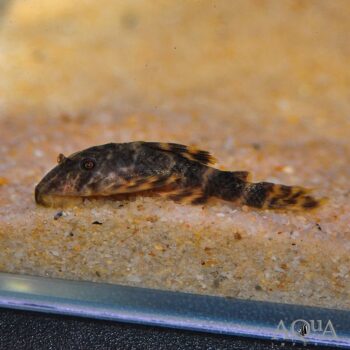
One of the most popular small plecos in the aquarium hobby, the Clown Pleco or L104 is found in the rocky waters of the Rio Meta and its tributaries in Colombia. A scavenger and algae grazer, they will feed on nuisance algae in the aquarium but prefer more protein rich foods and should be supplemented with a variety of foods including gel diet, sinking pellets or wafers, and fresh veggies. Peaceful and generally safe with live plants, they are an excellent pleco for small or medium aquariums with a maximum size of just over 3″
-
$169.99 – $399.99Price range: $169.99 through $399.99
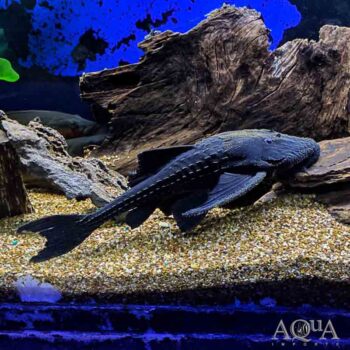
A giant growing and extremely impressive pleco, the L155 Black Adonis or Hystrix Pleco is found in the middle Amazon and some of its tributaries. With their heavy armor, sharp spines, and huge adult size, this pleco is a true monster fish and adults are suitable only for the largest aquariums. Like most of the genus, they are aggressive and not at all shy, often spending time swimming in open water. They prefer fast-flowing, well-oxygenated water and will do best in a tank with ample open space along with caves and hides to provide territory.
-
$7.99 – $9.99Price range: $7.99 through $9.99
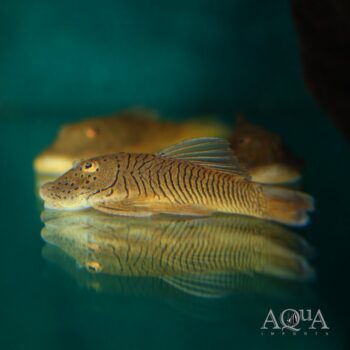
Found in the fast-flowing, clear waters of Colombia’s Rio Meta and its tributaries, the Rubber Pleco is a hardy, popular species and among the most effective plecos for diatom and other algae control in the aquarium. In the wild, they are commonly found in rocky, shallow water areas and should be provided plenty of cover in the aquarium. They are enthusiastic feeders and will readily accept fresh veggies, Repashy gel diet, and other prepared foods designed for herbivores and algae grazers.
-
$44.99 – $149.99Price range: $44.99 through $149.99
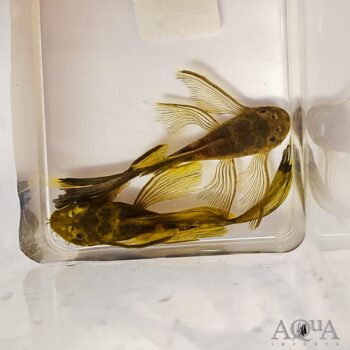
A recently developed and sought after strain of the popular Bristlenose Pleco, the Longfin Green Dragon Ancistrus displays unmistakable greenish coloration paired with extremely long, flowing fins. Like all Bristlenose Plecos, they are exceptional algae eaters, grazing on diatoms and other nuisance algae in the aquarium. They are also plant and invertebrate safe, making them a unique and colorful addition to planted or aquascaped tanks.
End of content
End of content