Showing 1–25 of 117 resultsSorted by latest
-
Sale!
$74.99 Original price was: $74.99.$69.99Current price is: $69.99.
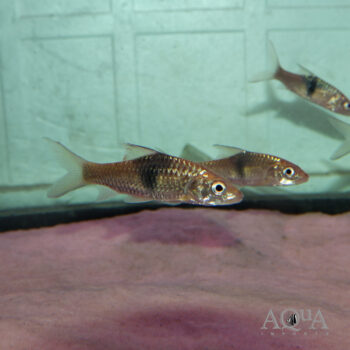
A large growing schooling fish found in clear, fast-moving waters in Sabah, north Borneo, Hampala sabana is a predatory but relatively peaceful barb. In the aquarium, they make an excellent dither fish for other large predatory fish and will do best with some water movement and frequent large water changes. Like many larger barbs, they can be skittish and first and will do best in a group of 3-5 fish. Some cover in the form of driftwood or artificial plants (live ones will be eaten) will help them settle into the aquarium environment.
-
Sale!
$24.99 Original price was: $24.99.$14.99Current price is: $14.99.
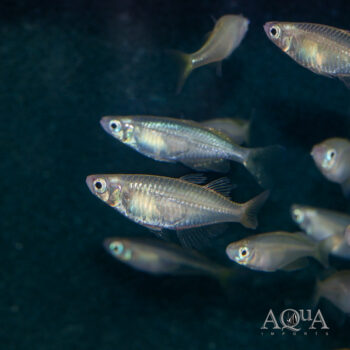
The Marine Sailfin Silverside (Kalyptatherina helodes) are the only member of the genus Kalyptatherina. These brackish fish can be found in mangrove swamps and the lakes and river systems of Sulawesi. They should be kept at pH range of 7.8-8.2 with a marine salt concentration of 10-15ppt.
-
$24.99
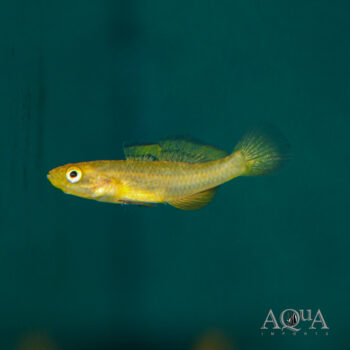
The Golden Goby (Mugilogobius rexi) or Golden Malili Goby is an uncommon species to find in the trade. These freshwater gobies are native to Sulawesi and known to occur in only two lakes there (Towuti and Mahalona). They are generally peaceful towards tankmates, but can become territorial with other gobies, especially other males and are best kept in male/female pairs. Since these gobies only grow up to 2 inches long, they are a versatile and unique addition to a freshwater aquarium.
-
$59.99
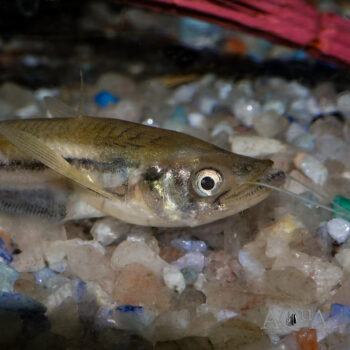
An unusual, large growing catfish found in the freshwater rivers of Borneo and Sumatra, the Dinema Catfish (Belodontichthys dinema) or Blue Neon Sheathfish is an active open water species, typically found in rivers with moderate to strong flow where it feeds on other fish. They will need to be fed feeder fish to get established in the aquarium, but can eventually be weaned onto frozen and prepared foods. In an appropriately large aquarium, they are an impressive, showy fish which will rarely bother tankmates too large to be eaten and prefer at least moderate water movement.
-
Sale!
$59.99 Original price was: $59.99.$49.99Current price is: $49.99.
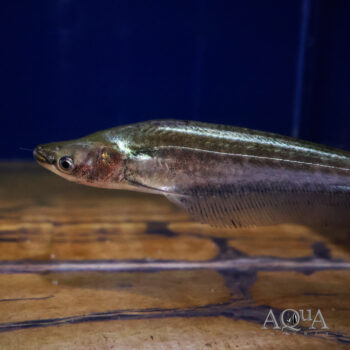
An unusual, large growing catfish found in most larger bodies of freshwater in Southeast Asia, the Apogon Catfish (Phalacronotus apogon) or Apogon Sheathfish is an active open water species, typically found in rivers with moderate to strong flow and undertakes large migrations in the wild influenced by the region’s annual flooding pattern. A predator, they are something of a generalist feeder and will typically accept frozen and prepared foods. In an appropriately large aquarium, they are an impressive, showy fish which will rarely bother tankmates too large to be eaten and prefer at least moderate water movement.
-
Sale!
$9.99 Original price was: $9.99.$8.99Current price is: $8.99.
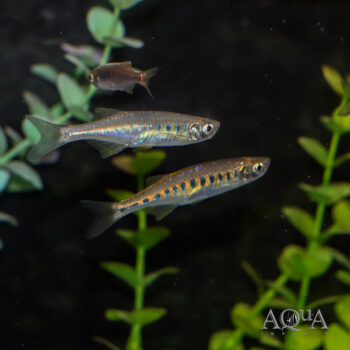
Colorful, active, and schooling, the Lake Inle Danio (Inlecypris auropurpurea) can be an entertaining fish for the aquarium. It feeds on insects and larvae in the wild and is native only to Lake Inle of Myanmar. They are un-fussy eaters in captivity, but the finest color development will come from a diet containing bloodworms. They make great dither fish with gouramis, angels, and other medium sized fish and should be kept in a group of 8 or more.
-
$14.99 – $16.99Price range: $14.99 through $16.99
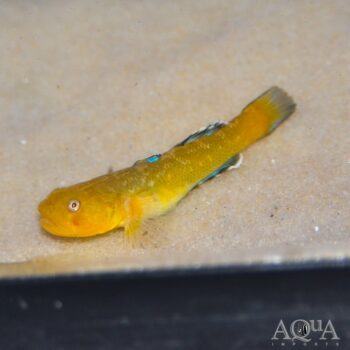
Product description coming soon.
-
$14.99
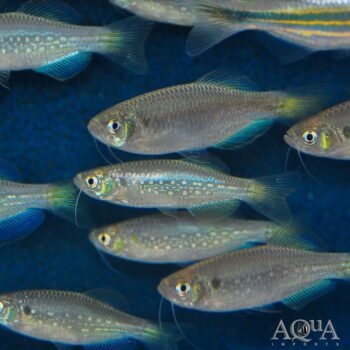
The largest of the true Danio species, the Moustache Danio (Danio dangila) is a schooling fish, native to Asia. It feeds on insects and larvae in the wild and can be found in swift-moving mountain streams. They are un-fussy eaters in captivity, but the finest color development will come from a diet containing bloodworms. These fish will appreciate a habitat that resembles a flowing stream or river with landscaping materials like driftwood, fine gravel, and water-worn rocks. Although these fish are friendly, it is advised to maintain them in larger tanks in groups of eight to ten individuals with sturdy fish of a similar size, as their rapid movements may startle more timid or slower-moving fish. They make great dither fish with gouramis, angels, and other medium sized fish.
-
$3.49
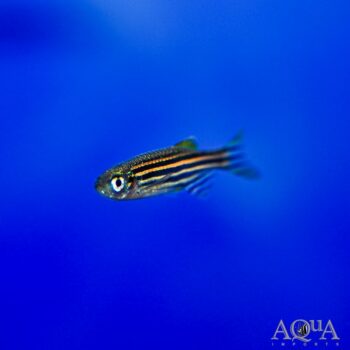
The Zebra Danio is one of the aquarium hobby’s classic fish, having been kept and bred in aquaria for over a century. Originating in a wide range of habitats in West Bengal, India, and surrounding areas, they are extremely hardy and adaptable which has led to their popularity in the hobby. Although the original wild fish display an attractive striped pattern, they have been developed into a wide range of strains by way of selective breeding, including the popular longfin variant. In the aquarium, they will do well in nearly any community tank, but prefer plenty of open swimming space and are an active schooler, most comfortable in groups of 5 or more.
-
$2.99
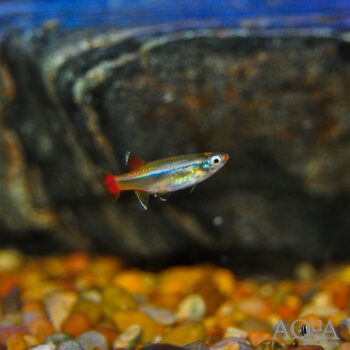
The White Cloud Minnow (Tanichthys albonubes), also known as the White Cloud Mountain Minnow, is a temperate fish native to the rivers of China. Growing up to an inch and a half, this fish is a popular choice kept either on their own or in a community tank with similarly sized fish. The White Cloud Minnow will thrive best in groups of 5 or more. They are recognized for their shimmery bronze body with splashes of color throughout!
-
$11.99
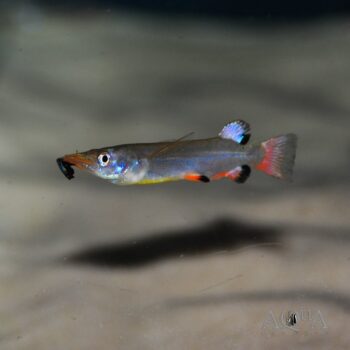
An uncommonly imported and colorful species of halfbeak originating in Sulawesi, the Black Fin Celebes Halfbeak inhabits small freshwater streams and creeks, typically in small aggregations. In the aquarium, this unique surface dwelling species makes for an interesting display fish, with mature adult fish developing intense red and black fins when kept in optimal conditions. This species does best in small groups and in neutral or slightly alkaline water, some current, and plenty of surface cover in the form of floating vegetation or branching driftwood close to the water’s surface.
-
$4.99
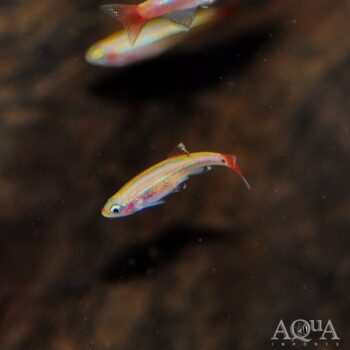
A striking color morph of the white cloud mountain minnow, the Gold White Cloud (Tanichthys albonubes) is a small, hardy fish native to the streams of the Chinese mountains. These fish are highly adaptable and will thrive in both tropical and temperate freshwater setups. Gold White Clouds are schooling fish and will do best in groups of 5 or more.
-
Sale!
$44.99 – $69.99Price range: $44.99 through $69.99
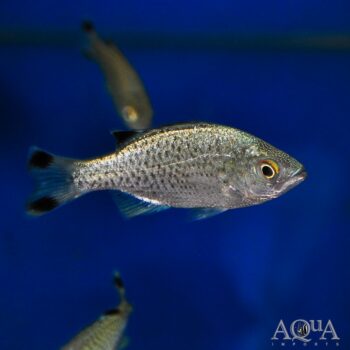
A rarity in the aquarium hobby, the Jungle Perch or Spotted Flagtail is widely distributed species throughout the Indo-Pacific and Northern Australia, where they are typically found in freshwater or lightly brackish water coastal streams. Although this species spawns in the ocean and larvae develop there, juvenile to adult fish tend to be found in freshwater streams or pools, often in areas of strong current where they are typically found in large groups. An omnivore, the Jungle Perch feeds on smaller fish, invertebrates, and fruit and plant matter in the wild and will accept most prepared and frozen foods in the aquarium. With their vivid spotted pattern and active nature, this fish makes a unique addition to a larger predatory fish community aquarium.
-
$69.99 – $99.99Price range: $69.99 through $99.99
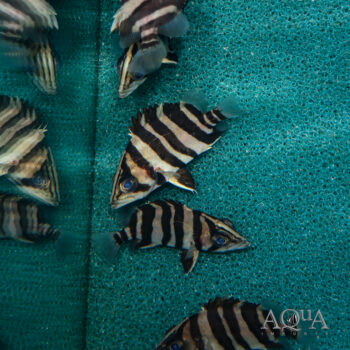
The Indo Datnoid or Indo Tigerfish (IT) is found throughout Peninsular Malaysia and the Indonesian islands of Sumatra, Borneo, and likely parts of East Java as well. In the wild, they inhabit a variety of habitat types but are typically found in warm, slow moving stretches of rivers or lakes in areas close to overhanging vegetation. An ambush predator, they tend to hang motionless in the water awaiting smaller fish or invertebrates to swim by, using quick reflexes and a huge protrusible jaw to literally inhale prey items. In the aquarium, they require well-oxygenated water and are sensitive to water quality, so regular water changes are important to keep them thriving. Tankmates should be chosen carefully as they can eat surprisingly large fish and other more aggressive or very active fish will likely stress them out and potentially cause their distinct pattern of bars to fade.
-
$4.99
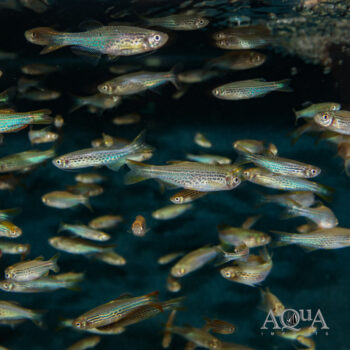
A beautifully patterned relative of the classic Zebra Danio, the Kyathit or Orange Fin Danio (Brachydanio kyathit) originates in shallow water habitat throughout Northern and Central Myanmar. In the wild, they are found in medium to large schools in clear, fast moving water, typically near aquatic vegetation. In the aquarium, they are hardy and adaptable but prefer plenty of open swimming space and are an active schooler, most comfortable in groups of 5 or more. With their intricate patterns and vivid orange/gold trim, the Kyathit Danio is an impressive centerpiece for a planted or aquascaped tank.
-
$16.99
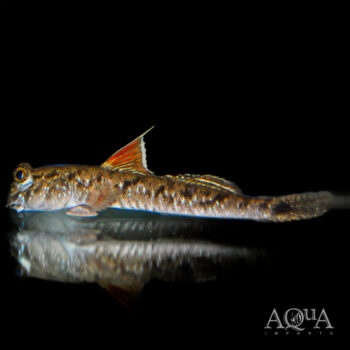
The Indian Dwarf Mudskipper is a fascinating member of the family Gobiidae which like all mudskippers are specially adapted for life outside of the water. Found throughout coastal India and Bangladesh, this species inhabits mangrove swamps and tidal mud flats, often in large groups with a defined social hierarchy. In the wild, they are adept predators that use their modified pectoral fins to hop across land and climb trees to catch insects and small crustaceans but in the aquarium will accept most frozen and freeze dried foods. An ideal aquarium setup for this species would include relatively shallow water with plenty of driftwood or other structure emerging above the waters surface giving them space to climb and form territories. The Indian Dwarf Mudskipper is a primarily coastal species which will do best in moderate to strong brackish water (salinity of 10-20ppt) and should be kept in groups.
-
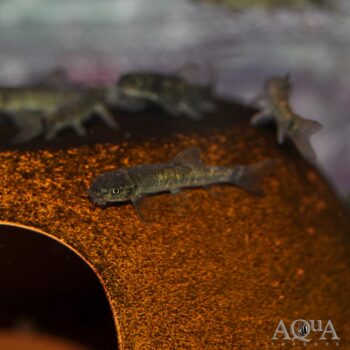
$6.99
A lively and effective grazer and scavenger, the Doctor Fish or Pedicure Fish is found in watersheds throughout the Middle East and Eastern Mediterranean but is now bred commercially for the aquarium trade. A small, hardy, loosely schooling species, the Doctor Fish gets its name for its use in so-called “fish spas” in Asia, where human clients can get “pedicures” from large numbers of these fish, which will actively graze on dead skin when hungry. In the aquarium, they make an excellent algae eater and grazer but should be provided with a varied diet including plenty of protein. A social species, they will do best in groups of 3-5 or more.
Due to their sensitive nature and specialized care requirements Doctor Fish (Garra rufa) are not eligible for our guarantee.
-
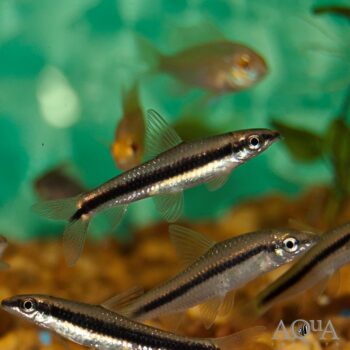
$3.99 – $6.99Price range: $3.99 through $6.99
One of the most sought after and effective of all of the so-called “algae eaters” in the aquarium hobby, the Siamese Algae Eater (commonly abbreviated SAE) or Flying Fox is an active, social, medium-sized fish that feeds on a variety of common nuisance algae species in the aquarium. They will graze on diatom algae films on glass and decor as well as the difficult to eradicate black hair or black beard algae. Best kept in groups of 6 or more, they are live plant safe and hardy additions to most medium to large community aquariums.
-
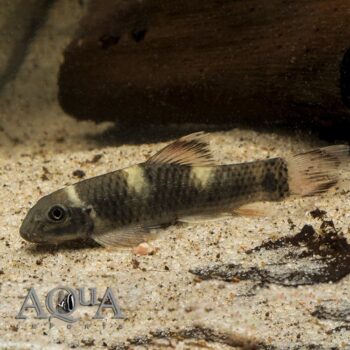
$9.99 – $12.99Price range: $9.99 through $12.99
A popular and attractive scavenger and grazer, the Panda or Butterfly Garra originates from rocky streams in Western Myanmar, where it is found in loose aggregations. Wild specimens are almost never exported, and the species has been commercially bred for the aquarium trade for year. In the aquarium, they are an active fish and useful grazer that will readily eat diatom and other forms of nuisance algae. Hardy and adaptable, they are best kept in a group of 3-5 specimens.
-
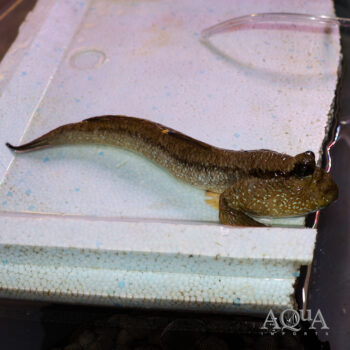
$129.99
The Giant Mudskipper (Periophthalmodon schlosseri) is a fascinating member of the family Gobiidae which like all mudskippers are specially adapted for life outside of the water. This species which is the largest of the mudskippers is found throughout the coastal Indo-Pacific, this species inhabits tidal mud flats, often in large groups with a defined social hierarchy. In the wild, they are adept predators that use their modified pectoral fins to hop across land and climb trees to catch insects and small crustaceans but in the aquarium will accept most frozen and freeze dried foods. An ideal aquarium setup for this species would include relatively shallow water with plenty of driftwood or other structure emerging above the waters surface giving them space to climb and form territories. Being a primarily coastal species, they will do best in moderate to strong brackish water (salinity of 10-20ppt).
-
$39.99
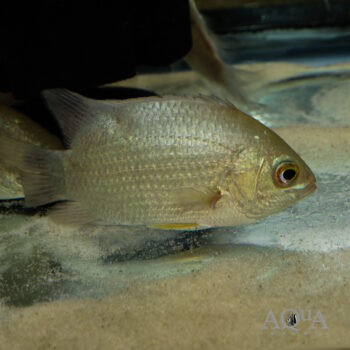
The Indonesian Leaf Fish (Pristolepis grootii) is a cryptic and rarely seen member of the Nandid family native to the soft water streams and rivers of Indonesia. Their body shape, coloration, and behavior allow them to mimic dead leaves and get close to unsuspecting prey items like small fish. In the aquarium, they are generally peaceful with tankmates too large to be eaten but due to their shy nature should not be kept with overly fast-moving or aggressive species.
-
Sale!
$7.99 Original price was: $7.99.$6.99Current price is: $6.99.
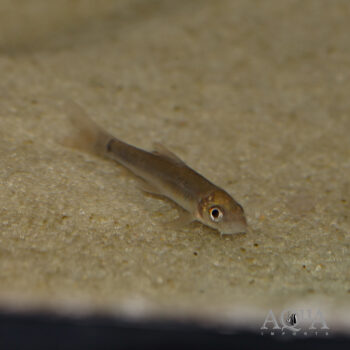
The Silver Garra or Sucker Head (Garra cf. gotyla) is found in watersheds throughout India. A hardy, loosely schooling species, the Silver Garra makes an excellent algae eater and grazer but should be provided with a varied diet including plenty of protein. A social species, they will do best in groups of 3-5 or more.
-
$16.99
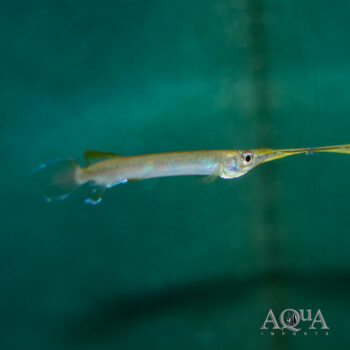
A rarely seen and beautifully marked species of halfbeak originating in Borneo, the Three Spot Forest Halfbeak (Hemirhamphodon kuekenthali) is unlike most of its relatives as it is found not in brackish water or estuarine areas but in soft, slow flowing streams inland. In the aquarium, this unique surface dwelling species makes an excellent tankmate for similar Southeast Asian blackwater fish like microrasboras, dwarf or chocolate gourami, and other species found in similar warm, acidic, shallow water habitat. This species does best in groups and in an aquarium approximating their wild habitat with tannin-rich water, moderate current, and plenty of surface cover in the form of floating vegetation or branching driftwood close to the water’s surface.
-
$64.99
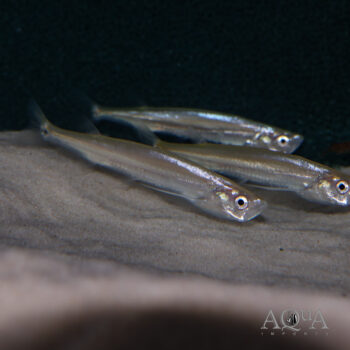
The Giant Sword Minnow (Macrochirichthys macrochirus) is an unusual predator found throughout Asia’s rivers and lakes where they will opportunistically move into floodplains in search of food. These fish are very flighty and easily startled. They should have a well sealing aquarium lid and plenty of space to swim freely. They are best kept in groups of 3 or more and are compatible with fish too large to be eaten.
-
$7.49
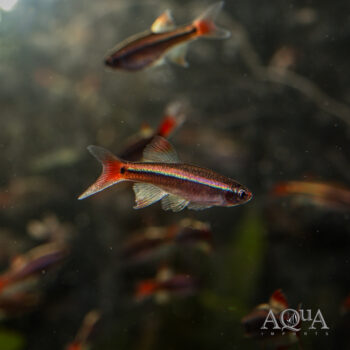
The Longfin White Cloud Minnow (Tanichthys albonubes), is a selectively bred variant of the White Cloud Mountain Minnow. It is a temperate fish native to the rivers of China. Growing up to an inch and a half, this fish is a popular choice kept either on their own or in a community tank with similarly sized fish. The White Cloud Minnow will thrive best in groups of 5 or more. They are recognized for their shimmery bronze body with splashes of color throughout!
End of content
End of content