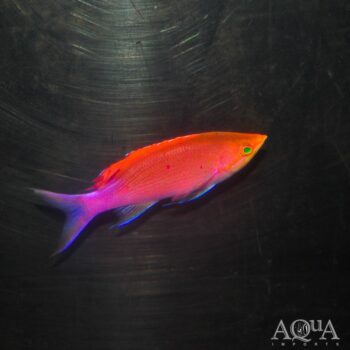
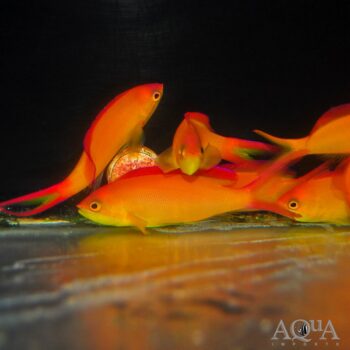
Purple Queen Anthias (Pseudanthias tuka)
$64.99Product description coming soon.
Select options
This product has multiple variants. The options may be chosen on the product page

Showing 176–200 of 218 resultsSorted by latest
Product description coming soon.
Product description coming soon.
Product description coming soon.

Product description coming soon.
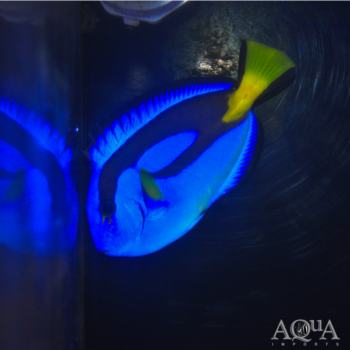
Originating from the Indo-Pacific region, the regal Blue Hippo Tang (Paracanthurus hepatus) is a well-favored marine fish species in the aquarium hobby. These fish live in schools of eight to fourteen individuals in the wild, but should be kept individually in all but the largest aquariums. They are typically found among stony corals on the reef. Adults consume both algae and plankton as part of their omnivorous diet.
Product description coming soon.
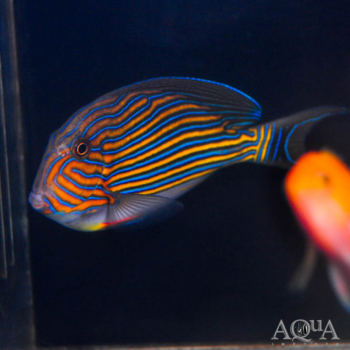
The stunning Clown Tang (Acanthurus lineatus) has a bright orange body with blue stripes bordered in black. In the Indo-Pacific region, they live at shallow depths with coral, rock, and rubble on the reef. In the wild these fish form small groups led by a single male, however in captivity it is recommended to only house individuals. The primary diet of these fish is leafy brown algae, though they occasionally consume crustaceans.
Product description coming soon.
Product description coming soon.
Product description coming soon.
Product description coming soon.
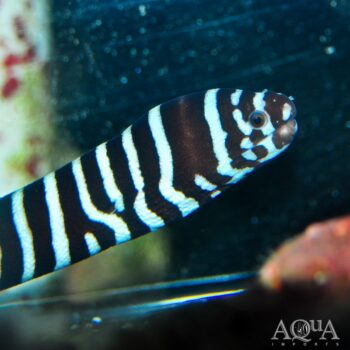
Native to the tropical seas of the Indo-Pacific, the Zebra Moray Eel (Gymnomuraena zebra) is a carnivorous fish that will still generally do well in a community saltwater tank with similarly sized tankmates. Their stark banding will help you spot them as they are out and about during the day. Growing up to 60 inches/152 cm, make sure to have hiding spaces large enough for the eel to hide its whole body!
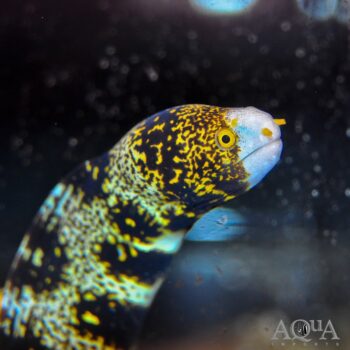
One of the smaller morays in the aquarium trade, the Snowflake Moray Eel (Echidna nebulosa), also known as the Bosch’s eel, the clouded moray eel, the floral moray eel, or the starry eel, is native to parts of the Pacific Ocean. Their distinct and ornate pattern make them a desirable choice for well-researched reef tanks with lots of hiding places. While they can become aggressive during feeding time, the Snowflake Moray is otherwise generally mellow and can coexist well with tankmates that can’t fit in their mouths!
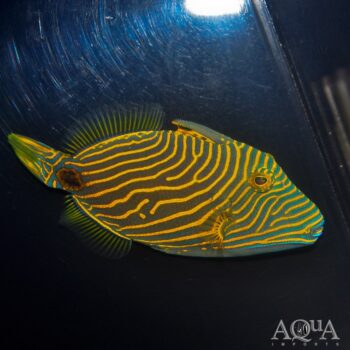
Native to the Indo-Pacific, the Undulated Triggerfish (Balistapus undulatus) is a large, carnivorous fish known for its ornate patterning. Triggerfish are widely recognized for their characteristically large teeth used for crushing various invertebrates including corals and shells! into Known as one of the most aggressive triggerfish, the Undulated Triggerfish will thrive best either on its own or with other similarly sized, semi-aggressive to aggressive tankmates.
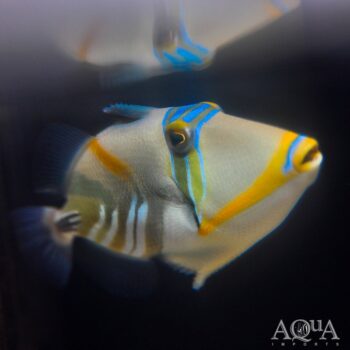
The Picasso Triggerfish (Rhinecanthus aculeatus), also known as the Humu Triggerfish, the Lagoon Triggerfish, or the Blackbar Triggerfish, is one of the less aggressive triggerfish in the aquarium trade. Popular for their distinct patterning and coloration, the Picasso Triggerfish will do best alone or in a community tank with similarly aggressive fish. Growing up to 12″/30 cm, they are known to be hardy, sizable and beautiful fish!
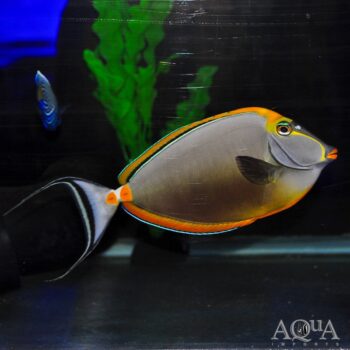
The Blonde Naso Tang (Naso elegans), also known as as the Lipstick Tang, the Tricolor Tang, the Orangespine Unicornfish, or the Elegant Unicornfish, is a saltwater fish native to the Indian Ocean. These colorful, fast-growing fish will appreciate lots of swimming space! While generally peaceful towards other tankmates, Blonde Naso Tangs can be aggressive with each other.
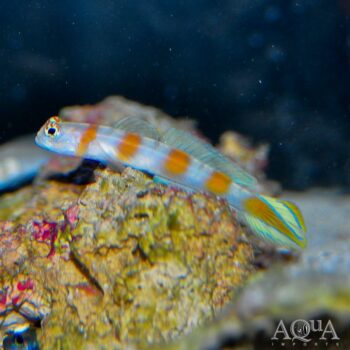
The Pinkbar Goby (Cryptocentrus aurora), also known as the Shrimp Goby, is a popular and hardy saltwater aquarist’s choice from the Western Indian Ocean. While aggressive towards members of the same species, they are generally a peaceful fish. If kept with pistol shrimp from the genus Alpheus, they can from symbiotic relationships with unique behaviors!
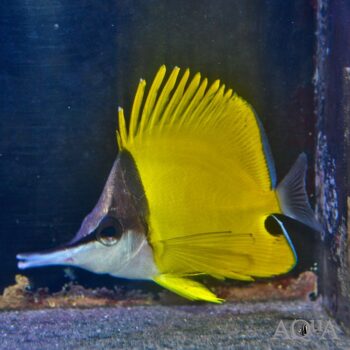
Native to the Indian and Pacific Oceans, the Longnose Butterflyfish (Forcipiger flavissimus), or the Forceps Fish, is a peaceful and colorful choice. Growing up to 9 inches/23 cm, this fish does best in a larger, fish-only tank. They use their uniquely long snout as a pair feeding forceps to get between coral heads and into nooks and crannies!
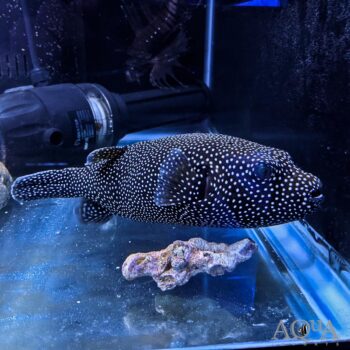
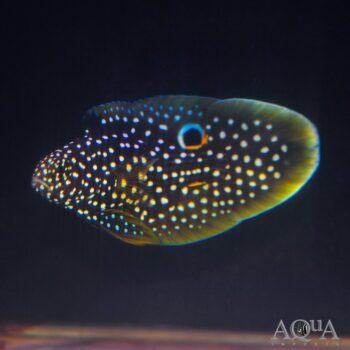
The Guineafowl Puffer (Arothron mealeagris), also known as the Spotted Puffer or the Golden Puffer, is a relatively large pufferfish from the Indo and Eastern Pacific. These highly prized aquarium fish are solitary in the wild and feed on invertebrates and corals. Due to their diet, they do best in large aquariums with other sizeable and peaceful fish.
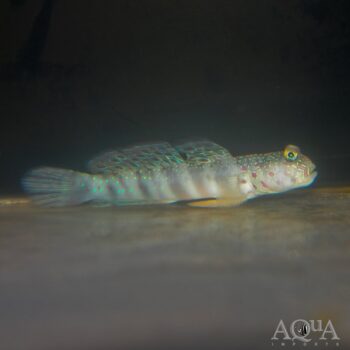
The Pink Spotted Watchman Goby (Cryptocentrus leptocephalus), also known as the Pink Speckled Shrimp Goby, the Singapore Shrimp Goby, the Spotted Watchman Goby, the Leptocephalus Prawn Goby, or the Blue Spotted Goby, is native to the Western Pacific. As peaceful, reef-safe, colorful fish, they are a popular saltwater aquarium choice! Keep an eye out as they can be territorial towards their own and similar species.
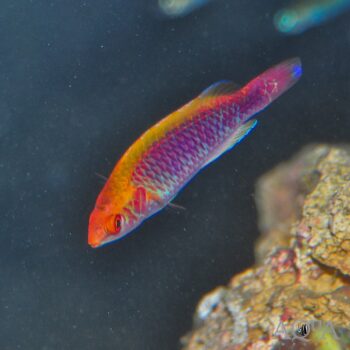
Native to the seas around Indonesia, the Lubbock’s Wrasse (Cirrhilabrus lubbocki), also known as the Multicolored Lubbock’s Fairy Wrasse or the Lubbock’s Fairy Wrasse, is one of the most popular fairy wrasses for aquarists. These strikingly colorful fish tend to be brighter as males, especially during courting! Reaching a max size of 3.5 inches/8.9 cm, Lubbock’s Wrasse are peaceful and will do well in either a fish-only or a reef tank.
Product description coming soon.
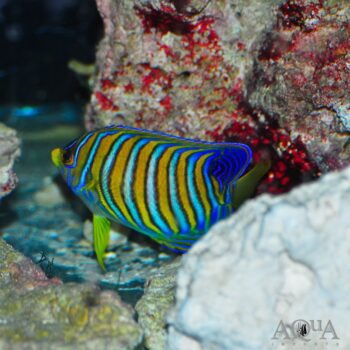
Native to the seas surrounding Indonesia, the Regal Angelfish (Pygoplites diacanthus) is a highly desired fish for experienced aquarists. These strikingly colored fish grow up to 10 inches/25.4 cm and will do best in a large aquarium with many hiding places and grazing surfaces. Despite their size, their temperament is shy and thus should not be housed with aggressive tankmates. In fact, they’ll thrive best as the biggest fish in the tank!
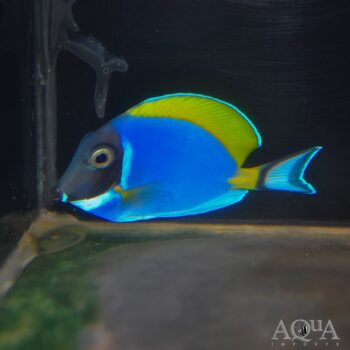
A highly desired aquarium choice for saltwater enthusiasts, the Powder Blue Tang (Acanthurus leucosternon), also known as the Powder Blue Surgeonfish, will do best in a large tank with lots of room to swim. They are aptly named for their bright color and “surgeon’s scalpel” spine on the tail. Powder Blue Tangs can be aggressive towards other Tangs and Surgeonfish but given they are well fed will generally do well with most other tankmates.
End of content
End of content
No products in the cart.