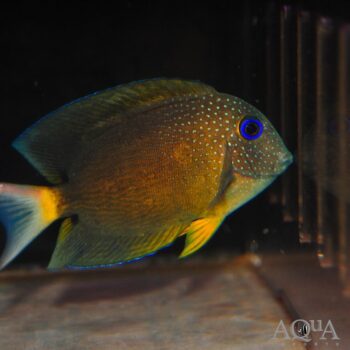
Blue Eye Tang (Ctenochaetus binotatus)
$79.99Product description coming soon.
Select options
This product has multiple variants. The options may be chosen on the product page

Showing 126–150 of 218 resultsSorted by latest
Product description coming soon.
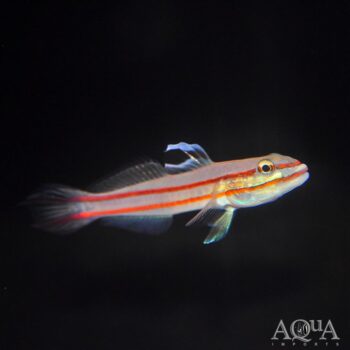
The Railway Sleeper Goby (Valenciennea helsdingenii), also known as the Sand Sifter Goby, is native to the tropical seas of Southeast Asia and extending down towards Australia. These fish have a naturally timid temperament and will spend most of their time down in the sandy substrate. They are generally peaceful micropredators and feed by sifting through the sand, keeping your substrate well oxygenated as well as adding a striking splash of color and personality to your setup.
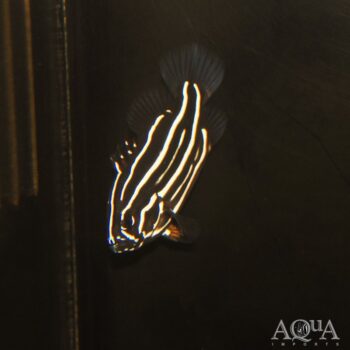
The Sixline Soapfish (Grammistes sexlineatus), also known as the Sixline Grouper, Sixstripe Grouper or the Goldenlined Soapfish, is native to the tropical waters and rocky coral reefs of the Indo-Pacific. These are solitary fish, preferring to stay hidden during the day and come out at night to hunt. Be aware, these fish are known to eat almost any species smaller than, or the same size, they are. The name “soapfish” comes from the toxin they secrete on their skin when threatened, as it is said to resemble lathered soap. In case they do “soap up”, it is best to keep these fish in a large tank to avoid poisoning any tankmates. Sixline Soapfish can grow up to 11.5 inches long.
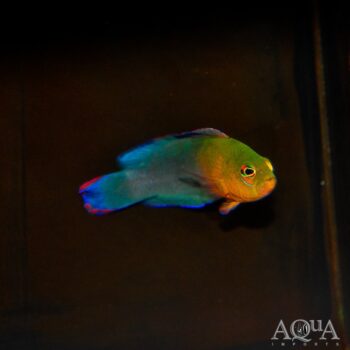
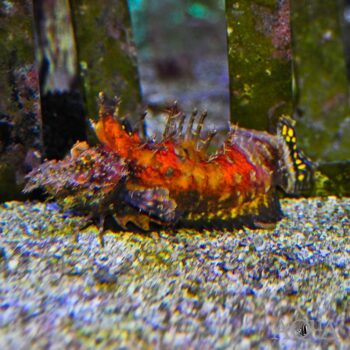
The Bearded Ghoul/Demon Stinger (Inimicus cf. didactylus) is a species of scorpionfish or stonefish (Synanceiidae) native to lagoons and reefs of the Indo-West Pacific. These stonefish have bright red or pink bodies with intricate yellow and black patterning on their fins. They require a substrate that allows them to bury themselves and camouflage, such as fine sand or coral gravel. As adept carnivorous predators, make sure that any tankmates are too large to be considered food. Be careful in their tank, as these rare oddball fish have highly venomous spines on their fins.

Belonging to the scorpionfish family, the Red Rooster Pygmy Waspfish (Paracentropogon zonatus), also known as the Bandtail Waspfish, is a rare fish to find in the aquarium hobby and is native to the tropical seas around Indonesia. These highly venomous fish have beautiful mottled red and white coloring covering their body. Beware, while these fish only grow up to 3 inches long, they are predatory and will eat almost any fish or invert species that can fit into their mouth!

Product description coming soon.
Product description coming soon.
Product description coming soon.

Product description coming soon.
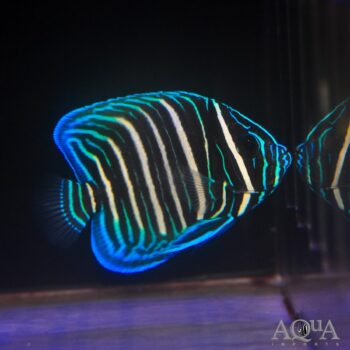
Product description coming soon.
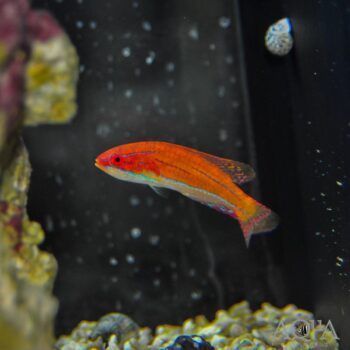
Native to the tropical reefs of the Indo-Pacific, the Carpenter’s Flasher Wrasse (Paracheilinus carpenteri), also known as the Fairy Wrasse or the Redfin Flasher Wrasse, is a peaceful reef-safe species. With striking patterns of oranges, yellows, reds, and blues, these fish are a beautiful addition to your saltwater setup. They will do well in groups, and males will display their most vibrant coloration in the company of females. Reaching up to 3 inches long with a generally active personality, these fish will do best in tanks that are 55 gallons or larger with plenty of live rock and a tight-fitting lid.
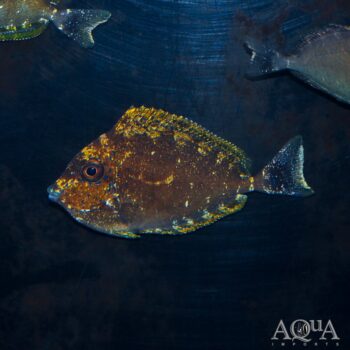
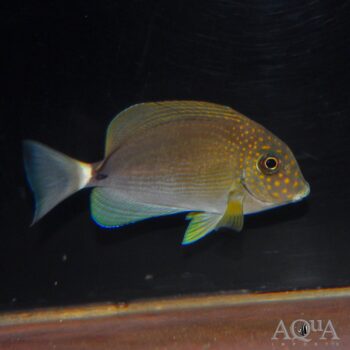
Product description coming soon.
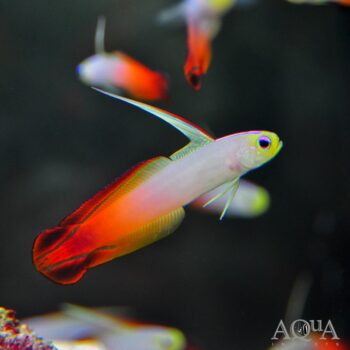
Native to the tropical reefs of the Indo-Pacific, the Firefish (Nemateleotris magnifica) is a popular fish in the marine aquarium hobby. They are also commonly known as the Firefish Goby, the Fire Goby, the Magnificent Dartfish, or the Fire Dartfish. As a relatively peaceful and reef-safe species, the Firefish is sure to add a splash of color and personality to your saltwater setup. These fish have unparalleled coloration, with bodies of yellow and red with splashes of yellow and iridescence. The Firefish Goby has an active personality, but does require plenty of hiding spaces to escape to when threatened. Be sure to keep them in a heavily decorated tank with a tight-fitting lid!
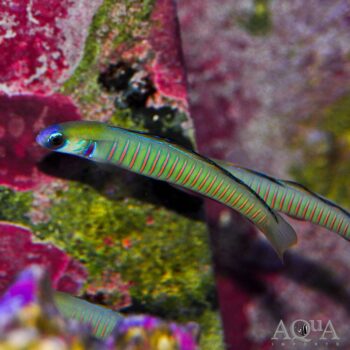
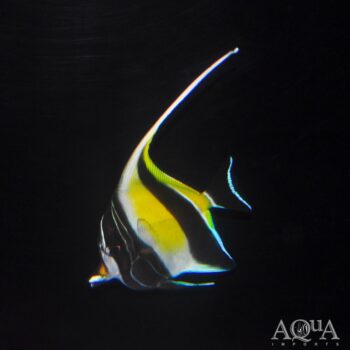
Product description coming soon.
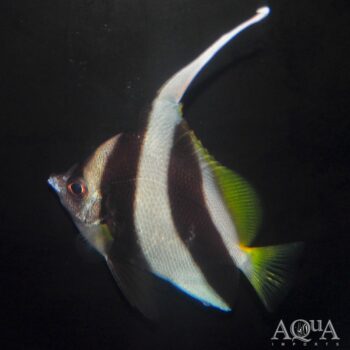
Product description coming soon.
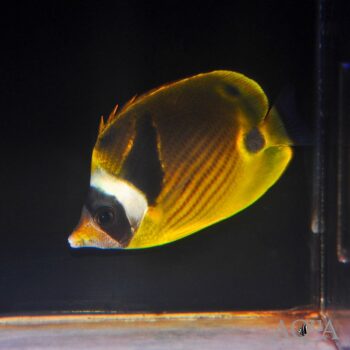
Raccoon Butterfly (Chaetodon lunula)
Product description coming soon.
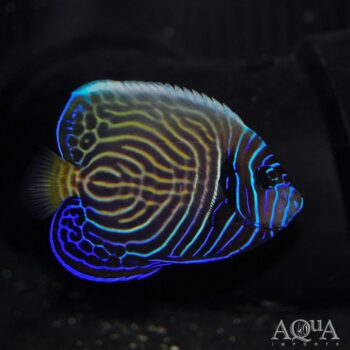
Product description coming soon.
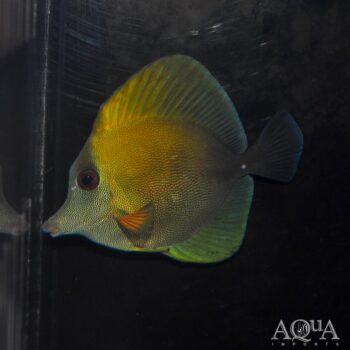
Product description coming soon.
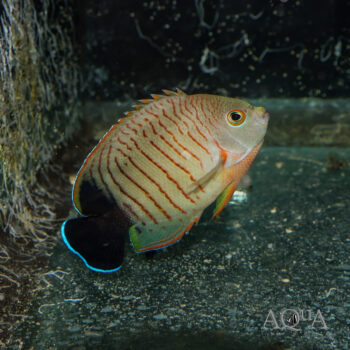
Red Stripe Angelfish (Centropyge eibli) product description coming soon.
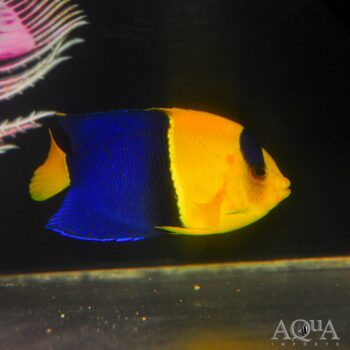
Product description coming soon.
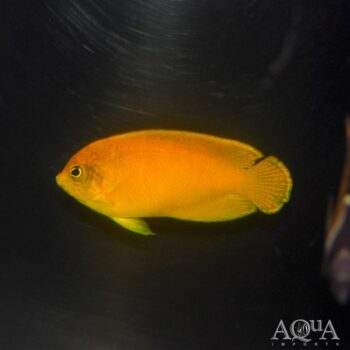
Product description coming soon.
End of content
End of content
No products in the cart.