Showing 151–175 of 218 resultsSorted by latest
-
$44.99 – $69.99Price range: $44.99 through $69.99
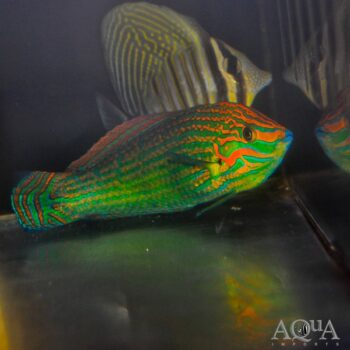
The Dusky Wrasse (Halichoeres marginatus) is an uncommon find in the aquarium trade. Known to inhabit lagoons and seaward reefs along the upper edge of coral-rich areas in the Indo-Pacific. In the aquarium, these fish will appreciate a sandy substrate layer that is about 2-3 inches deep allowing them to burrow in the sand. This wrasse can be housed with other peaceful wrasses, including its species, and other community-friendly fish. Dusky Wrasses are great pest control for pyramidellid snails, nudibranchs, and many other unwanted invertebrates. Due to their propensity to consume invertebrates, they are not considered safe to house with them although they are coral safe.
-
$89.99 – $179.99Price range: $89.99 through $179.99
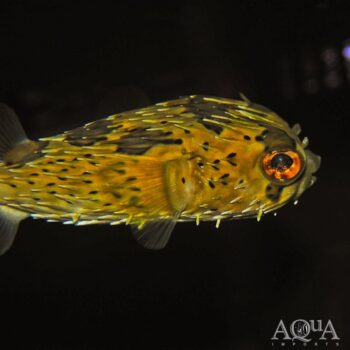
The Porcupine Puffer (Diodon holocanthus), also known as the porcupine fish, the long-spine porcupine fish, or the spiny puffer, is a saltwater fish found in tropical seas around the world. Reaching up to 20 inches with an often engaging personality, the porcupine puffer is a sought-after fish for many saltwater hobbyists. They are not reef-safe as they feed primarily on invertebrates, but shine as a solo fish or with carefully researched tankmates.
-
$99.99
Product description coming soon.
-
$19.99
Product description coming soon.
-
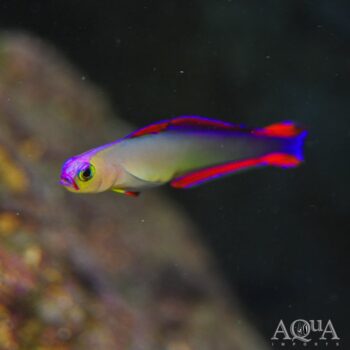
$44.99
Product description coming soon.
-
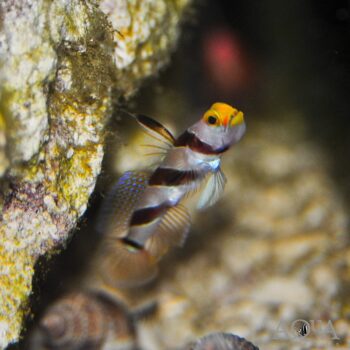
$29.99
Product description coming soon.
-
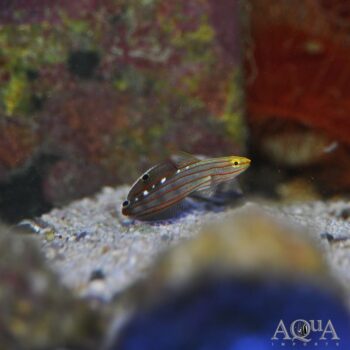
$24.99
The Rainford’s Goby (Amblygobius rainfordi), also known as the Court Jester Goby or the Old Glory, is a species of reef-safe fish that will spend most of its time grazing and sifting sand. They are a relatively popular species of goby in the saltwater hobby and are native to the tropical reefs of the Indo-Pacific. These fish have charismatic stripes of blue and red with yellow heads. Be sure that there is plenty for them to graze on in terms of live rock and sand as well as plenty of hiding spaces!
-
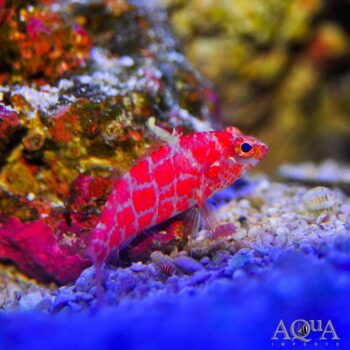
$59.99
Product description coming soon.
-
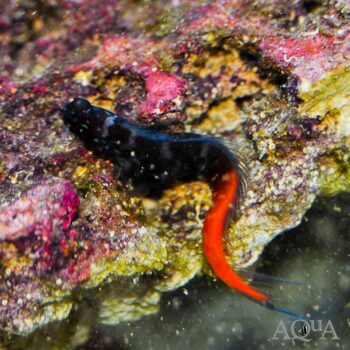
$29.99
The Indo-Pacific region’s of clear lagoons and seaward reefs are home to the beautiful Bicolor Blenny (Ecsenius bicolor). It mostly consumes plant matter, including algae, and it can aid in regulating algae growth in the aquarium. The Bicolor Blenny can generally be found hiding among the rocks at the bottom of an aquarium.
-
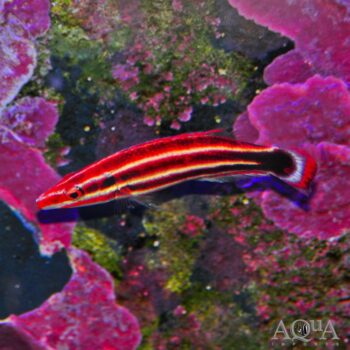
$129.99
Product description coming soon.
-
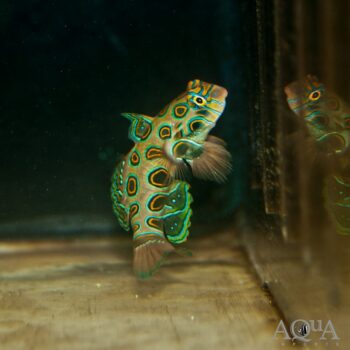
$34.99
Product description coming soon.
-
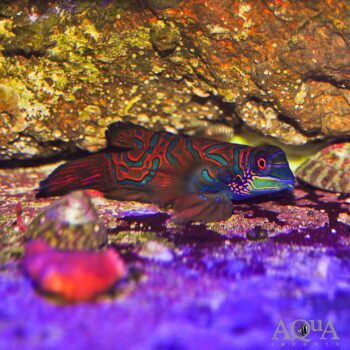
$39.99
Product description coming soon.
-
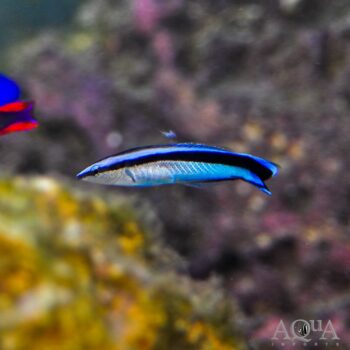
$29.99
The Bluestreak Cleaner Wrasse (Labroides dimidilatus) is native to the Indo-Pacific, residing in coral rich areas of inner lagoons and subtidal reef flats. In the wild they will congregate at “cleaning stations” where larger fish can come to have ectoparasites and dead skin removed. It’s interesting to note that wrasses will greet other fish with a dance-like motion, with the tail moving the back of the body up and down. Cleaner Wrasses will accept a variety of frozen and dried foods and get along well with other community-friendly fish, making them an excellent addition to any aquarium.
-
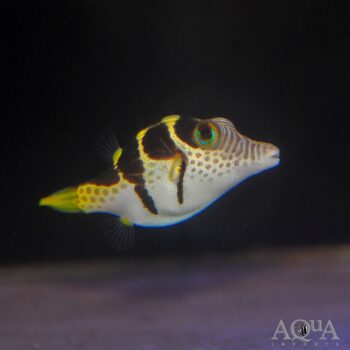
$44.99 – $69.99Price range: $44.99 through $69.99
Product description coming soon.
-
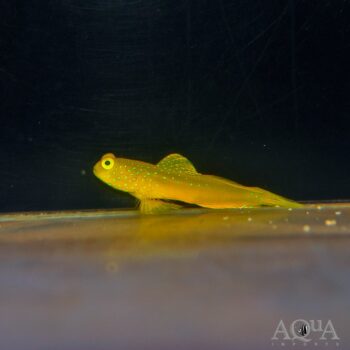
$24.99
Product description coming soon.
-

$99.99 – $109.99Price range: $99.99 through $109.99
The Guineafowl Puffer (Arothron mealeagris), also known as the Spotted Puffer or the Golden Puffer, is a relatively large pufferfish from the Indo and Eastern Pacific. These highly prized aquarium fish are solitary in the wild and feed on invertebrates and corals. Due to their diet, they do best in large aquariums with other sizeable and peaceful fish.
-
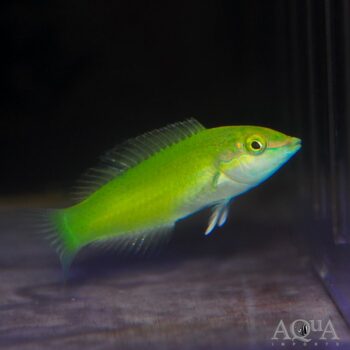
$39.99
Product description coming soon.
-
$69.99 – $129.99Price range: $69.99 through $129.99
Product description coming soon.
-
$39.99
Product description coming soon.
-
$49.99
Product description coming soon.
-
$24.99
Product description coming soon.
-
$44.99 – $54.99Price range: $44.99 through $54.99
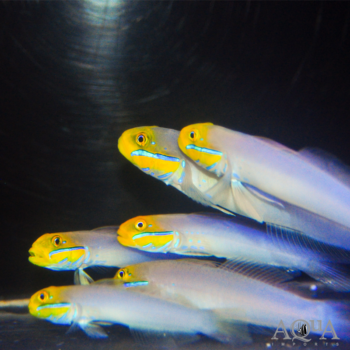
The Golden Head Sleeper Goby (Valenciennea strigata) is native to the Indo-Pacific. This bottom-dwelling fish exhibits strong site loyalty and won’t stray far from the burrows it excavates in the sand and rubble. They obtain food by sieving the sand and eating any tiny crustaceans and zooplankton that are present. Although they make excellent community fish, they may be aggressive with other bottom dwellers. They will feed on pellets and frozen foods in the aquarium.
-
$39.99
Product description coming soon.
-
$199.99
Product description coming soon.
-
$79.99
Product description coming soon.
End of content
End of content