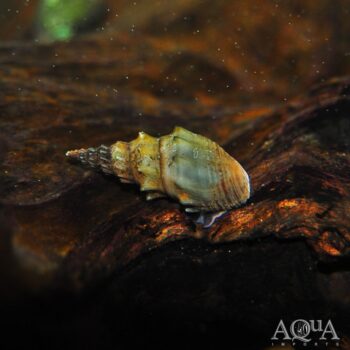
Prambanan Snail (Thiara winteri)
$3.49Product description coming soon.

Showing 51–75 of 103 resultsSorted by latest
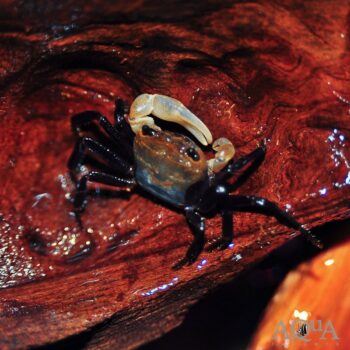
The Panda Crab (Lepidothelphusa cf. cognetti) or Panda Ninja Crab is a semi-terrestrial crab endemic to Borneo. These unique crabs are found in Bornean forests amongst rocks and leaf litter near water. They are highly aquatic for a terrestrial crab. A setup with lots of cover and two thirds land to water is optimal for them.
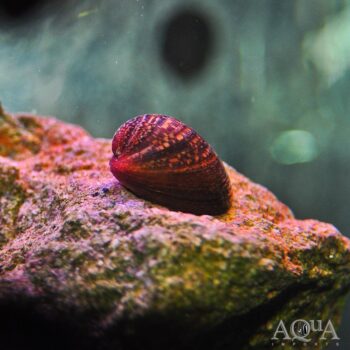
The Red Lip Nerite Snail is a distinctly colored snail in the genus Neritina which is found in a wide range of brackish to pure freshwater habitats in Indonesia and the Indo-Pacific. Like most Nerite snails, they are extremely popular in the aquarium hobby due to their voracious appetite for nuisance algae, including diatoms and filamentous algae. They are plant safe and great addition to any freshwater aquarium, paludarium, or aquascaped/planted tank. These snails can not reproduce successfully without brackish water and therefore will not overpopulate the aquarium.
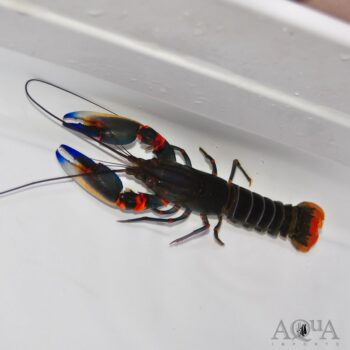
The Black Kong Crayfish (Cherax alyciae) will add unique splash of color to your aquarium. This crayfish, native to Papua New Guinea, is colored in pastel shades of orange, blue, and white. They are active and spend a lot of time searching the aquarium bottom for food. Since they have been known to climb out of tanks, it is advised to use a tight-fitting lid. Being an opportunistic scavenger they will accept most foods. Give them places to hide and avoid keeping them in a tank with delicate bottom-dwelling fish.
Prohibited in California, Florida, Texas, and Wisconsin
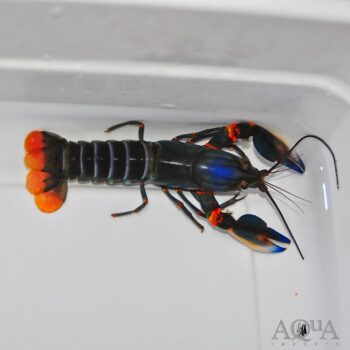
The Blue Kong Crayfish (Cherax alyciae) will add unique splash of color to your aquarium. This crayfish, native to Papua New Guinea, is colored in pastel shades of orange, blue, and white. They are active and spend a lot of time searching the aquarium bottom for food. Since they have been known to climb out of tanks, it is advised to use a tight-fitting lid. Being an opportunistic scavenger they will accept most foods. Give them places to hide and avoid keeping them in a tank with delicate bottom-dwelling fish.
Prohibited in California, Florida, Texas, and Wisconsin
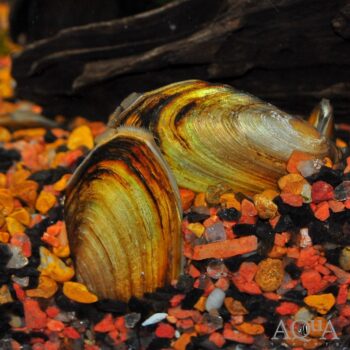
A large and distinctive freshwater mussel found throughout parts of Southeast Asia, the Shark Tooth or Shark Fin Mussel is typically found in sandy, shallow streams and lakes, often in large aggregations. A filter feeder like most freshwater bivalves, it feeds on suspended algae, microbes, and other suspended plankton. In the aquarium, it can be a useful filter feeder but will rapidly deplete its own food supply if not supplemented with liquid or powdered fine foods for freshwater filter feeders. They should be provided with a relatively deep substrate of sand or fine gravel to burrow in and should not be kept with tankmates that might nip their delicate mantles like loaches, carnivorous plecos, leporinus, or similar species.
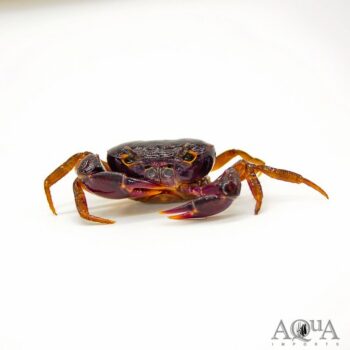
One of the rarer species of crab to find in the freshwater trade, the Indian Lilac Crab (Globithelphusa cf. kaufen) is also known as the purple freshwater crab or the Indian swimming crab. They are native to the freshwaters of Western India and will spend most of their time underwater. A proper setup needs a space for them to escape the water, as well as many hiding spaces both above and under the water to escape other crabs, as males can become territorial towards each other. These crabs have highly variable colors, ranging from dark purple to dark red.
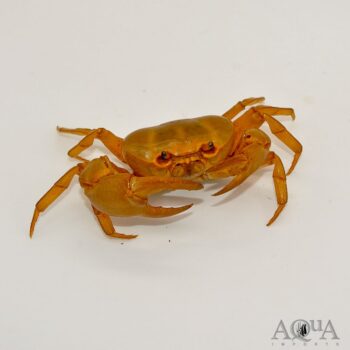
The Gold Crab (Terrathelphusa cf. chilensis) is native to the freshwaters of Java, Indonesia and is a rare crab in the freshwater trade. They are also known as the banana crab or the mangrove crab. As with similar crabs, the Gold Crab requires both underwater and land habitat in their tank with plenty of hiding spaces. They can be territorial, so having spaces for them to explore and hide is crucial. Growing up to 3 inches long with a monochrome gold hue, these formidable crabs are a unique species to add to your freshwater ecosystem.
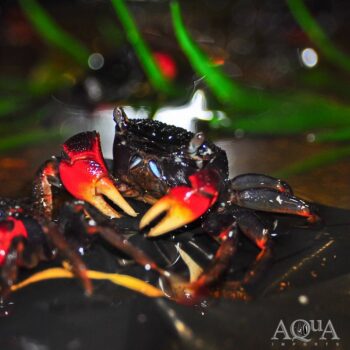
The Red Mangrove Crab (Pseudosesarma moeshi), also known as the Red Thai Crab, is a species of crab native to Southeast Asian mangrove forests. In the wild, these crabs can be found in both brackish and freshwater. As with many crabs, the Red Mangrove Crab needs both water and land in its tank to survive. These crabs will do best in a tank with plenty of decor to hide in and explore, as individuals can sometimes be territorial.
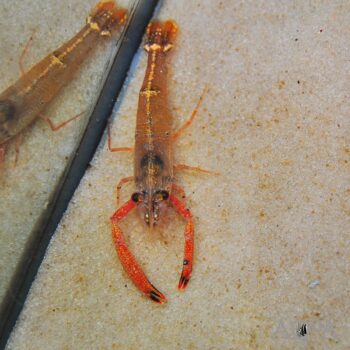
The Red Claw River Shrimp (Macrobrachium assamense ‘Red Claw’) are a unique and relatively rare species in the aquarium trade. Growing up to 6 inches long, they are significantly larger than many of the dwarf shrimp species popular in the hobby! They are recognizable by their transparent, brown, or blue-tinted bodies with impressive large red claws. Please keep in mind that they are a semi-aggressive species and may feed or fight with smaller invertebrates and fish.

The Black Tiger Bee Shrimp is a selectively bred form of Caridina which have been developed from wild specimens showing subtle black and white coloration. They are enormously popular due to their striking, high contrast coloration and can be a bit more delicate than some of the more common Neocaridina species, so are best kept by hobbyists with some experience keeping shrimp already. Like most Caridina species, Black Tiger Bee Shrimp prefer soft, lower pH water and do best at slightly lower temperatures. These shrimp are sensitive to water quality so regular water changes and adequate filtration are important to keep them healthy and thriving.
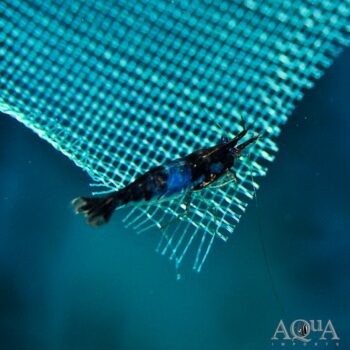
The Blue Rili Shrimp is a selectively bred form of Neocaridina dwarf freshwater shrimp displaying dark blue on the head and tail with clear patches in the abdomen. Hardy, colorful, and peaceful towards tankmates, these shrimp will do well in most small to medium community aquariums and under good conditions will breed regularly. An omnivore and scavenger, they will accept most sinking foods but should be offered a varied diet high in algae and vegetable matter to ensure proper development and optimal coloration. Our Blue Rili Shrimp are high grade specimens tank bred in Taiwan.
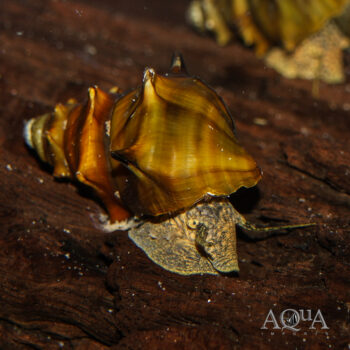
The Pagoda Snail (Brotia pagodula), is a large growing freshwater snail from the Thoungyin River in Thailand. The distinct spiny protrusions on its shell makes it a popular addition to aquariums as an algae eater and detrivore. They are not considered to be plant-safe. Maintenance of higher KH and GH levels will aid in keeping the shell in top shape.
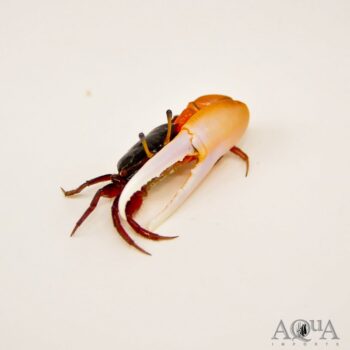
A uniquely patterned Fiddler Crab species found throughout coastal regions of Java and Borneo, the Indonesian Batik Fiddler Crab inhabits tidal flats and estuarine areas, where they inhabit burrows in sand or mud substrate. They typically experience a wide range of salinity and water depth throughout the day, influenced by the tide. In the aquarium, they require a specialized setup with sand and a shallow water area with light to moderate strength brackish water provided.
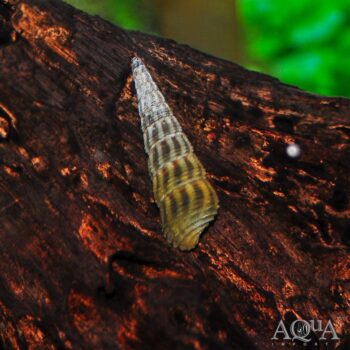
A unique species of the so-called Rabbit Snails native to Sulawesi, the Sponge Rabbit Snail is found in the rivers and creeks surrounding lake Poso. An omnivore that primarily grazes on algae and biofilm in the wild, they will readily accept a variety of prepared foods in the aquarium. Their native habitat is characterized by warm, clear, slightly hard water and they will do best when kept in similar conditions. Like all members of the genus Tylomelania, these snails reproduce slowly, producing only a few eggs at a time which hatch quickly into fully-formed baby snails.
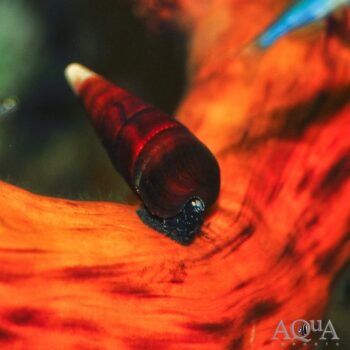
A unique species of the so-called Rabbit Snails native to Sulawesi, the Blue Rabbit Snail is found in the rivers and creeks surrounding lake Poso. An omnivore that primarily grazes on algae and biofilm in the wild, they will readily accept a variety of prepared foods in the aquarium. Their native habitat is characterized by warm, clear, slightly hard water and they will do best when kept in similar conditions. Like all members of the genus Tylomelania, these snails reproduce slowly, producing only a few eggs at a time which hatch quickly into fully-formed baby snails.

The Black Racer Nerite Snail or Military Helmet Snail is a small, jet black member of the genus Neritina found in a wide range of brackish to pure freshwater habitats in Thailand, Malaysia, and the Indo-Pacific. Like most Nerite snails, they are extremely popular in the aquarium hobby due to their voracious appetite for nuisance algae, including diatoms and filamentous algae. They are plant safe and great addition to any freshwater aquarium, paludarium, or aquascaped/planted tank. These snails can not reproduce successfully without brackish water and therefore will not overpopulate the aquarium.
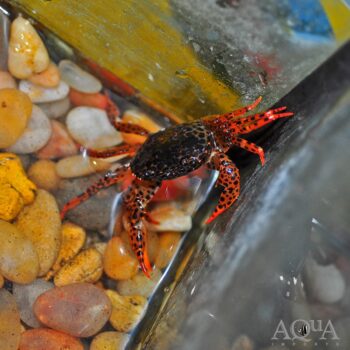
The Panther Crab is a unique aquatic crab species native to Lake Matano and the surrounding waters in Indonesia, named for its striking spotted pattern similar to those found in big cats of the subfamily Pantherinae. In the wild, they are typically found in shoreline areas among rocks, driftwood, or submerged roots. The species is primarily nocturnal and prefers to hide during the day, emerging at night to explore their habitat and seek out food. Hardy and adaptable, the Panther Crab makes a unique aquarium resident and can be successfully kept in groups provided they have plenty of cover and enough tank space to establish territories.
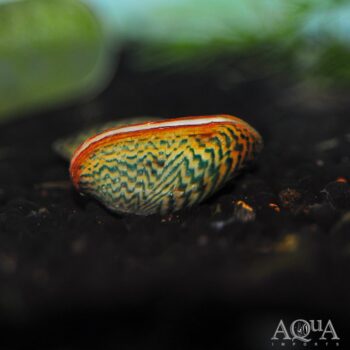
The Avocado Clam (Scabies crispata) is actually a freshwater mussel in the family Unionidae known for producing parasitic larvae. These parasites called Glochidia are fish specific and will not hurt invertebrates or plants. Avocado Clams are brightly colored and small in size making them great additions to shrimp and plant tanks. They filter feed on bacteria, algae and organics in the aquarium improving the water clarity.
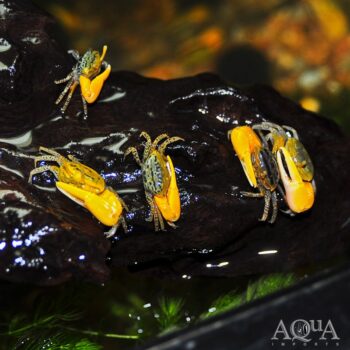
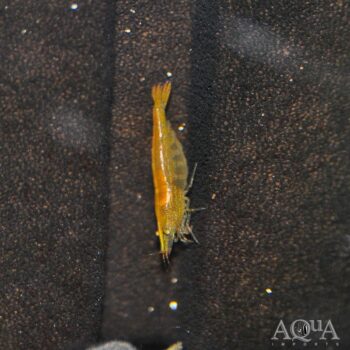
The Green Babaulti Shrimp is a uniquely patterned wild form of dwarf shrimp found in freshwater habitats throughout Southwestern India. Like most related species and variants, it is relatively hardy and undemanding in the aquarium, but will do best with the addition of some aquarium salt or light brackish conditions. An omnivore and voracious algae grazer by nature, they prefer with a diet high in vegetable matter or algae and with ample cover in the aquarium in the form of plants or hardscape.
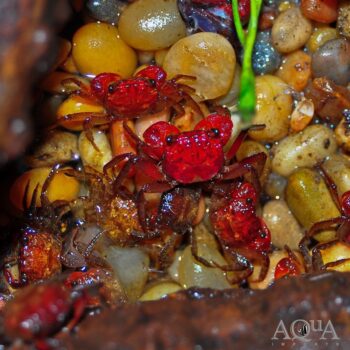
The Borneo Blood Red Crab is a uniformly deep red species of Geosesarma (popularly known as Vampire Crabs) found in tropical streamside habitat in Kalimantan Borneo. Like all vampire crabs, they are largely terrestrial crustaceans found throughout several Indonesian islands and will do well in a semi-aquatic habitat. In the wild, they inhabit tropical stream banks and hillsides and are usually found in large groups. In captivity, they require a warm, humid environment with clean moving water. They make ideal and fascinating residents of naturalistic terrariums or paludariums.
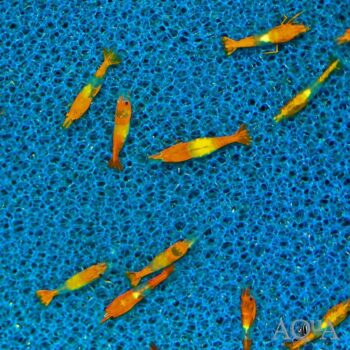
The Orange Rili Shrimp is a selectively bred form of Neocaridina dwarf freshwater shrimp displaying vivid orange on the head and tail with a pure white abdomen. Hardy, colorful, and peaceful towards tankmates, these shrimp will do well in most small to medium community aquariums and under good conditions will breed regularly. An omnivore and scavenger, they will accept most sinking foods but should be offered a varied diet high in algae and vegetable matter to ensure proper development and optimal coloration. Our Orange Rili Shrimp are high grade specimens tank bred in Taiwan.
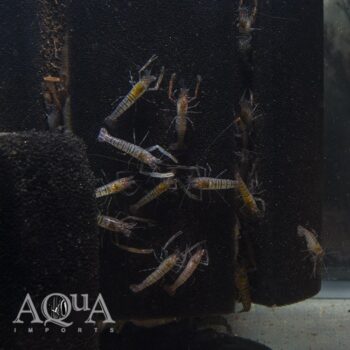
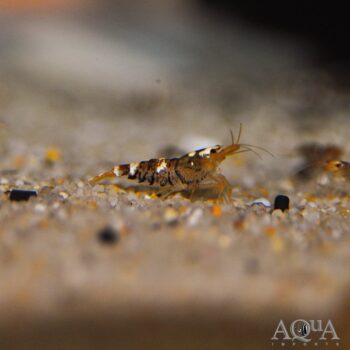
A uniquely patterned freshwater dwarf shrimp found throughout much of the Amazon Basin, the Amazon Tiger Shrimp inhabits shallow, warm water habitat typically associated with driftwood and aquatic vegetation and often in large groups. A hardy and peaceful invertebrate in the aquarium, their care requirements are similar to other dwarf shrimp although they will do best in softer, slightly acidic water.
End of content
End of content
No products in the cart.