Showing all 17 resultsSorted by latest
-
$7.99 – $9.99Price range: $7.99 through $9.99
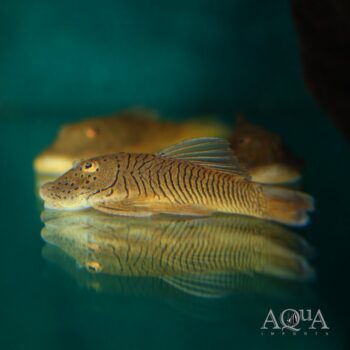
Found in the fast-flowing, clear waters of Colombia’s Rio Meta and its tributaries, the Rubber Pleco is a hardy, popular species and among the most effective plecos for diatom and other algae control in the aquarium. In the wild, they are commonly found in rocky, shallow water areas and should be provided plenty of cover in the aquarium. They are enthusiastic feeders and will readily accept fresh veggies, Repashy gel diet, and other prepared foods designed for herbivores and algae grazers.
-
$34.99
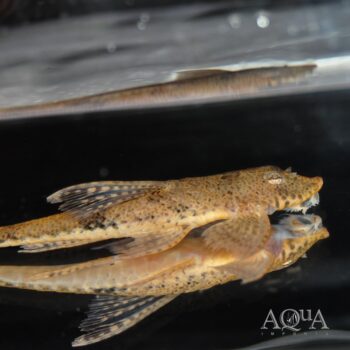
A finely patterned, medium-growing Loricariid known from the Rio Orinoco basin, Rineloricaria formosa remains an elusive and uncommon import in the hobby. In the wild, they are found on fine sand substrate in areas of open, shallow water and are capable of a good deal of color change to camouflage themselves to their surroundings. Like most similar Loricariids, this species is an omnivore which feeds on invertebrates, biofilm, algae and vegetation and should be fed a varied diet of sinking specialty formulas including gel diets and occasionally fresh veggies. A hardy and unique aquarium fish, they will do best when provided with plenty of open space, warm, soft water and some current.
-
$9.99
Product description coming soon.
-
$59.99
Product description coming soon.
-
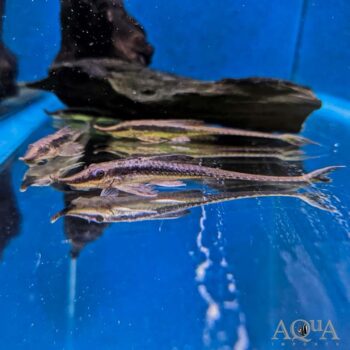
$44.99
A peaceful, medium growing and uniquely shaped Loricariid, the Peruvian Whiptail is a unique oddball fish that is available seasonally in the hobby. They are an effective algae grazer, mostly live plant safe, and will live peacefully with nearly all tankmates, making them a unique addition to a medium to large community aquarium. In the wild, they are usually found on and around driftwood piles and will benefit from driftwood as well as live or artificial plants to provide cover. They should be fed regularly with a sinking herbivore diet or fresh veggies and will supplement this diet by grazing on nuisance algae on glass and decor in the aquarium.
-
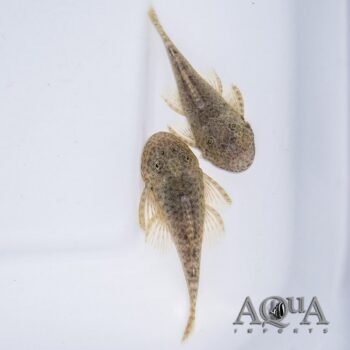
$27.99
A uniquely patterned relative of the more well known “rubber lip plecos”, the Leopard Rubber Pleco or Leopard Chaetostoma is an undescribed species known from the Rio San Alejandro in Peru. This river is an upper Amazon tributary of the Ucayali, and is characterized by moderately hard, cooler water. Like most members of the genus Chaetostoma, they prefer moderate to strong water movement and are most at home with plenty of caves and rocks to hide among. In the aquarium, they will accept most sinking herbivore foods, gel diets, and fresh veggies.
-
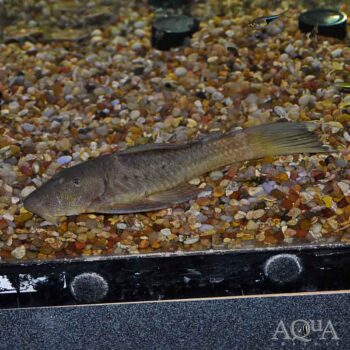
$59.99
A rarely seen and large growing relative of the more well known Rubber Pleco, the Giant Rubberlip Pleco originates from the rocky, fast-moving waters of the Rio Magdalena in Colombia. This species is hardy and adaptable, and among the most effective plecos for diatom and other algae control in larger aquariums. In the wild, they are commonly found in somewhat cooler, well-oxygenated water and should be provided plenty of cover in the aquarium. They are enthusiastic feeders and will readily accept fresh veggies, Repashy gel diet, and other prepared foods designed for herbivores and algae grazers.
-
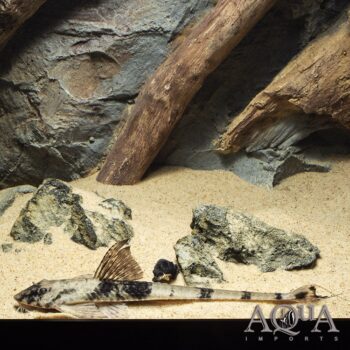
$59.99
The Royal Marbled Whiptail Catfish is a widely distributed species of larger growing Loricariid known from rivers throughout Peru, Colombia, and possibly Brazil. In the wild, they are found on fine sand substrate in areas of open, shallow water and are capable of a good deal of color change to camouflage themselves to their surroundings. Like most similar Loricariids, this species is an omnivore which feeds on invertebrates, biofilm, algae and vegetation and should be fed a varied diet of sinking specialty formulas including gel diets and occasionally fresh veggies. A hardy and unique aquarium fish, they will do best when provided with plenty of open space, warm, soft water and some current.
-

$29.99
A colorful, medium-growing Loricariid known from the Rio Negro, Branco and Solimoes (Amazon) in Brazil, the Leopard or Fine Spot Whiptail remains an elusive and uncommon import in the hobby. In the wild, they are found on fine sand substrate in areas of open, shallow water and are capable of a good deal of color change to camouflage themselves to their surroundings. Like most similar Loricariids, this species is an omnivore which feeds on invertebrates, biofilm, algae and vegetation and should be fed a varied diet of sinking specialty formulas including gel diets and occasionally fresh veggies. A hardy and unique aquarium fish, they will do best when provided with plenty of open space, warm, soft water and some current.
-
$15.99 – $22.99Price range: $15.99 through $22.99
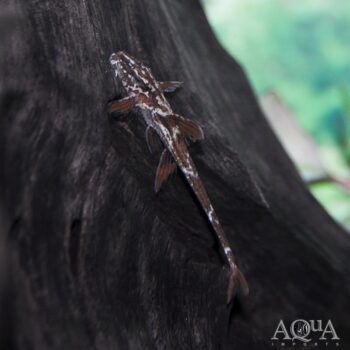
A colorful and unique smaller Loricariid, the Red Lizard Catfish or Red Lizard Whiptail likely originates from a wild fish found in the lower Amazon in Brazil but has been line bred for their vivid red coloration. With their small adult size, peaceful nature, and utility as a nuisance algae eater, this species is an ideal addition to most medium to large community aquariums. In the wild, they are usually found on and around driftwood piles and will benefit from driftwood as well as live or artificial plants to provide cover. They should be fed regularly with a sinking herbivore diet or fresh veggies and will supplement this diet by grazing on nuisance algae on glass and decor in the aquarium.
-
$39.99
A uniquely patterned and colorful relative of the more well known “rubber lip plecos, the L455 Tiger or Tiger Chaetostoma Pleco is an undescribed species found only in Amazon tributaries (such as the Maranon and Ucayali) in Peru. Males display the most striking coloration and spotting on the face, but females are also quite colorful. Like most members of the genus Chaetostoma, they prefer moderate to strong water movement and are most at home with plenty of caves and rocks to hide among. In the aquarium, they will accept most sinking herbivore foods, gel diets, and fresh veggies.
-
$14.99 – $24.99Price range: $14.99 through $24.99
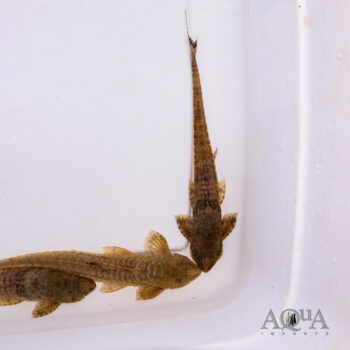
A peaceful, medium growing and uniquely shaped Loricariid, the Common Whiptail has been a popular oddball fish in the hobby for many years. They are an effective algae grazer, mostly live plant safe, and will live peacefully with nearly all tankmates, making them a unique addition to a medium to large community aquarium. In the wild, they are usually found on and around driftwood piles and will benefit from driftwood as well as live or artificial plants to provide cover. They should be fed regularly with a sinking herbivore diet or fresh veggies and will supplement this diet by grazing on nuisance algae on glass and decor in the aquarium.
-
$29.99 – $49.99Price range: $29.99 through $49.99
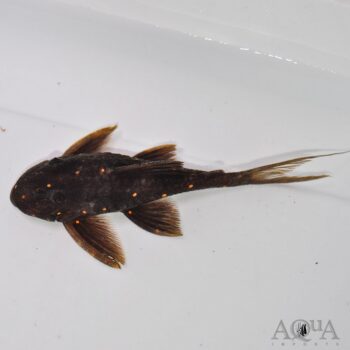
A medium sized and colorfully patterned wood eating pleco, the Mustard Spot or LDA031 Pleco features the distinctive lyretail common to members of the genus Panaqolus. Found in middle Amazon tributaries in Peru, Ecuador, and Southern Colombia, these fish inhabit driftwood piles in clear, relatively fast-moving waters. In the aquarium they are hardy and not typically shy, making them a great centerpiece pleco for a medium sized tank.
-
$7.99
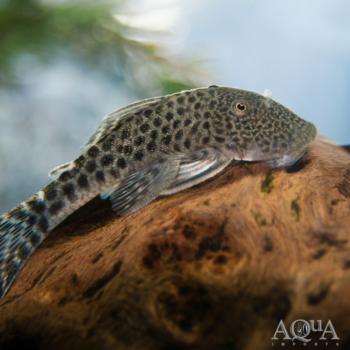
Found in the fast-flowing, clear waters of Colombia’s Rio Meta and its tributaries, the L445 Spotted Rubber Pleco is a hardy, popular species and among the most effective plecos for diatom and other algae control in the aquarium. In the wild, they are commonly found in rocky, shallow water areas and should be provided plenty of cover in the aquarium. They are enthusiastic feeders and will readily accept fresh veggies, Repashy gel diet, and other prepared foods designed for herbivores and algae grazers.
-
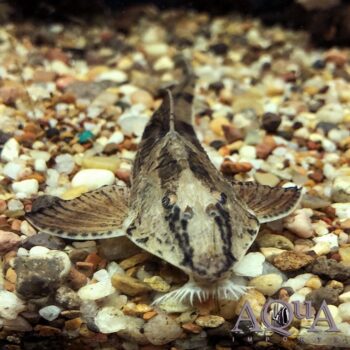
$29.99 – $44.99Price range: $29.99 through $44.99
The Tefena Whiptail Loricaria is an attractively marked medium sized Loricariid found throughout much of Colombia in sandy and rocky shallow water habitat. An omnivore and grazer, they will readily feed on algae or vegetable matter along with more protein rich foods. In the aquarium, they are not shy, and will often be seen perched above the substrate in the middle of the tank. Any tank housing this species should offer plenty of open sandy or rocky areas for them to stake out territories.
-
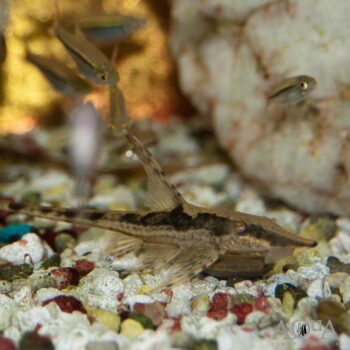
$29.99 – $36.99Price range: $29.99 through $36.99
A unique, stick-shaped Loricariid found throughout the Pacific coastal drainages of Panama, Colombia, and Ecuador, the Royal Farlowella can be found in a variety of habitats including fast-flowing streams and slow blackwater creeks. They are often found heavily camouflaged on or near stands of driftwood and in the aquarium should be given plenty of cover as well as open areas of substrate. A grazer and omnivore, they will do best when offered a varied diet of herbivore and carnivore diets such as Repashy gel diet, Fluval Bug Bites pellets, frozen foods and fresh vegetables.
-
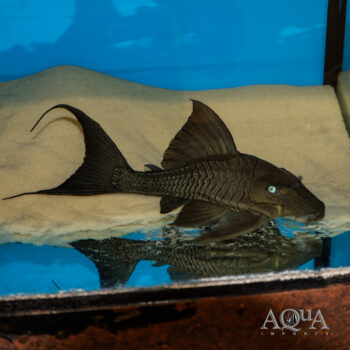
$299.99 – $499.99Price range: $299.99 through $499.99
Long considered a “holy grail” fish in the aquarium hobby, the Blue Eyed Pleco or Blue Eye Panaque remains a showy and impressive fish despite becoming more readily available in recent years. Like many Panaque species, it is found in fast moving waters – specifically, the Rio Magdalena in Colombia, which was once essentially inaccessible due to guerrilla and paramilitary presence in the region, which has since declined. In the aquarium, Blue Eyed Plecos are generally hardy, although they will do best if provided with moderate to strong current and plenty of driftwood to both hide among and graze on. All Panaque species are wood eaters, and we recommend using a specialty diet like Repashy’s Morning Wood to ensure proper nutrition.
End of content
End of content