Showing 26–50 of 298 resultsSorted by latest
-
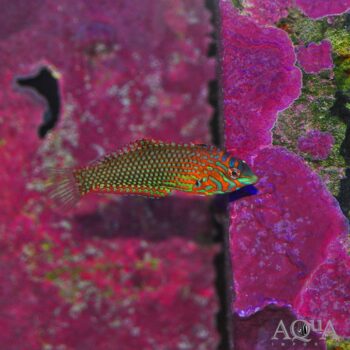
$49.99 – $69.99Price range: $49.99 through $69.99
The Ornate Leopard Wrasse (Marcropharyngodon ornatus) with its green scaled body is one of many colorful reef safe wrasses. They inhabit lagoons and sheltered reefs with mixed sand, debris, and coral. They are known to prey upon unwanted invertebrate pests in the aquarium. Being timid fish, it is advised to add them to a established aquarium with a fine sandbed so they can bury themselves when they feel the need to seek shelter.
-
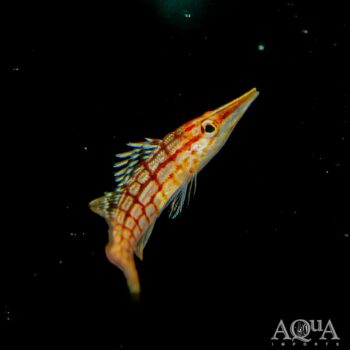
$59.99 – $69.99Price range: $59.99 through $69.99
Product description coming soon.
-
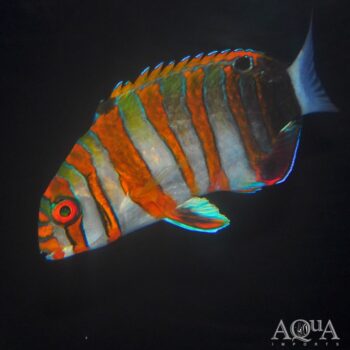
$179.99 – $249.99Price range: $179.99 through $249.99
Product description coming soon.
-
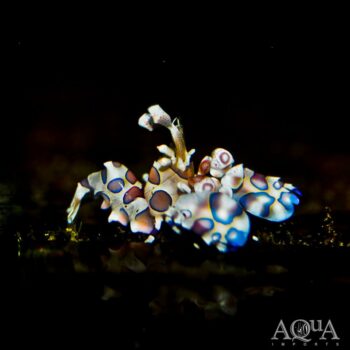
$49.99
The Harlequin Shrimp (Hymenocera picta) is a charismatic and unique choice for your saltwater aquarium. Easily recognized by its bright white body covered with colorful spots, these shrimp feed only on echinoderms (starfish and urchins) and are generally considered reef-safe. If you have an Asterina invasion, these shrimp will go straight to work cleaning your tank! They grow up to 2-inches, with females being slightly larger than the males as adults.
-
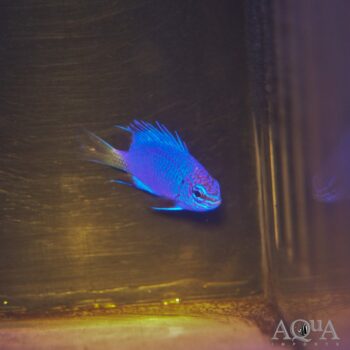
$19.99
The Springeri Damsel (Chrysiptera springeri), also known as the Blue Sapphire Damselfish, is a beautiful and hardy fish originating from Indonesia. These small fish (growing up to 2 inches) can be hard workers in a tank, as the Springeri Damsel is a flat-worm eater! As they are a damselfish, make sure to have plenty of hiding spaces to avoid aggression with slower and smaller tankmates.
-
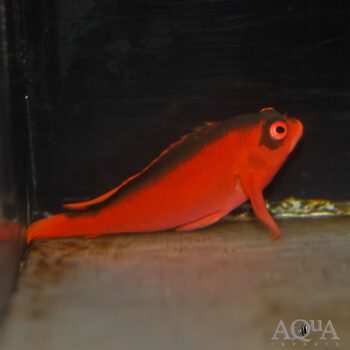
$89.99
The Flame Hawkfish (Neocirrhitus armatus), also known as the Brilliant Red Hawkfish, is a bottom dwelling carnivorous fish native to the tropical reefs of the Pacific. As long as they are the only hawkfish (or part of a mated pair), this fish will generally be a great fit for a community reef tank. Be sure to have some decorations or coral, as these fish like to perch and watch their surroundings!
-
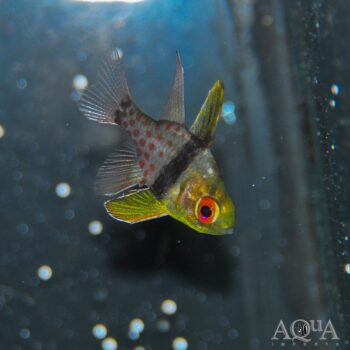
$22.99
From the Western Pacific, the Pajama Cardinalfish (Sphaeremia nematoptera) is a popular choice for peaceful aquariums. They are also known as the Spotted Cardinalfish, Coral Cardinalfish, or Polkadot Cardinalfish. Best kept in small schools, these brightly colored, carnivorous fish are a great option for a community saltwater tank.
-
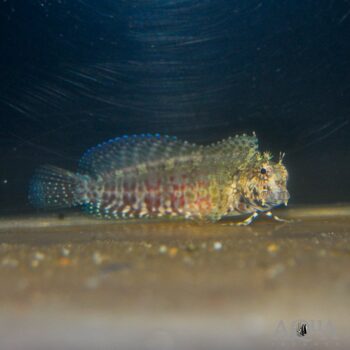
$24.99
Product description coming soon.
-
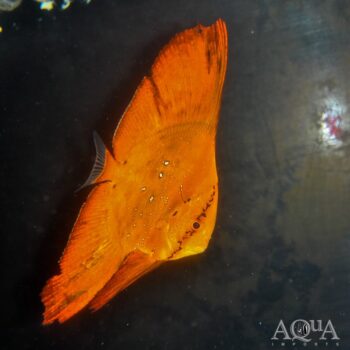
$119.99
A rare find in the aquarium trade, the Orbicular Batfish (Platax orbicularis), also known as the round batfish, orbiculate batfish, or the circular batfish, is native to the Indo-Pacific. The Orbicular Batfish goes through two distinct morphological phases: the slim, reddish-brown juveniles and the circular, silvery adults. These peaceful fish are best suited to a large, deep aquarium with ample room to swim.
-
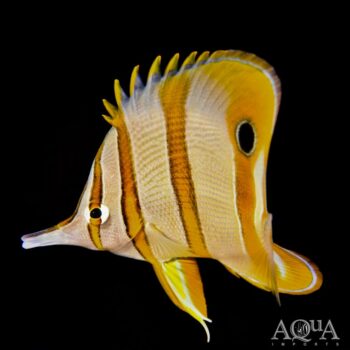
$74.99 – $89.99Price range: $74.99 through $89.99
With striking copper stripes, a false eyespot, and an elegant nose, the Copperband Butterfly (Chelmon rostratus) is an attractive and unique choice for the experienced saltwater hobbyist with an established tank. In the Indo-Pacific, they tend to be solitary or in proven pairs. These delicate fish are not considered reef-safe, as they are active foragers often on the hunt for creatures such as feather dusters and coco worms. However, the Copperband Butterfly is also known to eat pesty aiptasia!
-
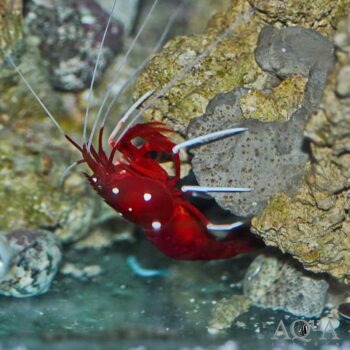
$49.99
The Blood Red Fire Shrimp (Lysmata debelius), also known as the Scarlet Cleaner Shrimp, Fire Shrimp, or Blood Shrimp, is one of the most popular saltwater invertebrates in the hobby. This brightly colored shrimp will often set up cleaning stations for its tankmates, removing detritus, parasites, and dead tissue from peaceful fish. The Blood Red Fire Shrimp is generally reef-safe and can thrive in large and nano tanks alike.
Approximate Purchase size 1 – 1.5″
-
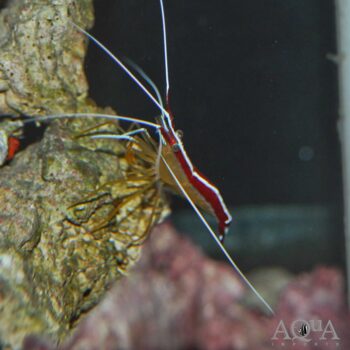
$39.99
Product description coming soon.
-
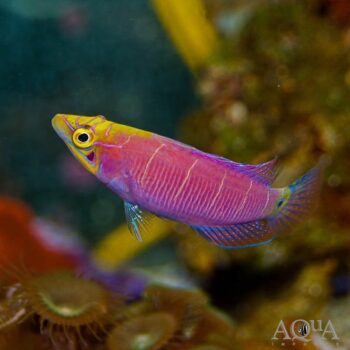
$169.99
Product description coming soon.
-
Sale!
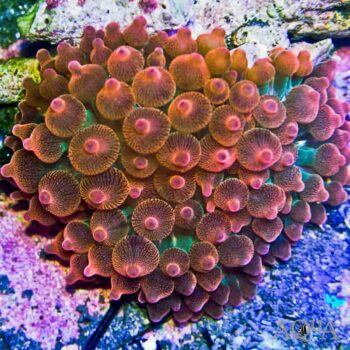
$99.99 – $299.99Price range: $99.99 through $299.99
The Rose Bulb or Rose Bubble Tip Anemone is a highly sought after red variant of the common Bubble Tip Anemone. This medium sized (up to 12″) rock dwelling anemone that is a great candidate for hosting with clownfish. They do well in most strongly illuminated reef tanks with pristine water quality and regular feeding of meaty foods. These anemones are very mobile and can easily “walk” into pumps and overflow boxes.
-
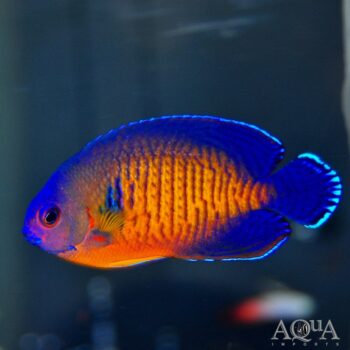
$49.99
The Coral Beauty Angelfish (Centropyge bispinosus), known for its vibrant orange and purple coloration is one of many dwarf angelfish species available in hobby. They are considered peaceful with other fish and reef safe. Only growing to around 4 inches, they can be housed in a 40g aquarium or larger.
-
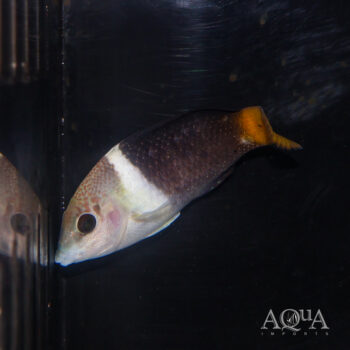
$49.99
The Half and Half Wrasse or Thicklip Wrasse (Hemigymnus melapterus) is a large wrasse species that can grow up to 36″. The are only appropriate for the largest of marine aquariums. Juveniles have the distinct bicolor coloration that changes to a beautiful green as they mature. Keep their adult size in mind when adding to the aquarium, smaller fish and invertebrates will get eaten. It is advised to add them to a established aquarium with a fine sandbed so they can bury themselves when they feel the need to seek shelter.
-
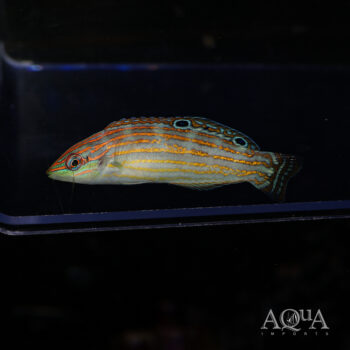
$59.99
The Adorned Wrasse (Halichoeres cosmetus) is one of many colorful reef safe wrasses. They inhabit lagoons and sheltered reefs with mixed sand, debris, and coral. They are known to prey upon unwanted invertebrate pests in the aquarium. Keep their adult size around 5″ in mind when adding to the aquarium, smaller invertebrates may get eaten. It is advised to add them to a established aquarium with a fine sandbed so they can bury themselves when they feel the need to seek shelter.
-
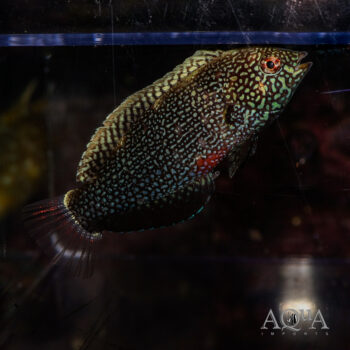
$59.99
The Black Leopard Wrasse (Macropharyngodon negrosensis) with its black body and speckled scales is unique among the colorful, reef safe, Leopard Wrasses. They inhabit lagoons and sheltered reefs with mixed sand, debris, and coral. They are known to prey upon unwanted invertebrate pests in the aquarium. Being timid fish, it is advised to add them to a established aquarium with a fine sandbed so they can bury themselves when they feel the need to seek shelter.
-
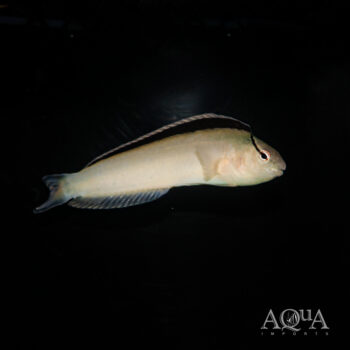
$34.99
Smith’s Blenny (Meiacanthus smithi) product description coming soon.
-
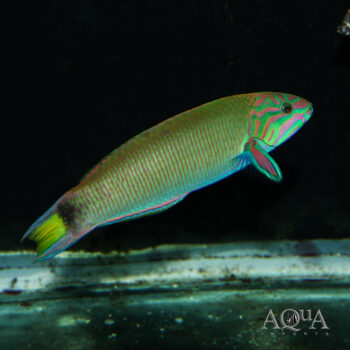
$49.99 – $89.99Price range: $49.99 through $89.99
Lyretail Wrasse (Thalassoma lunare) product description coming soon.
-
Sale!
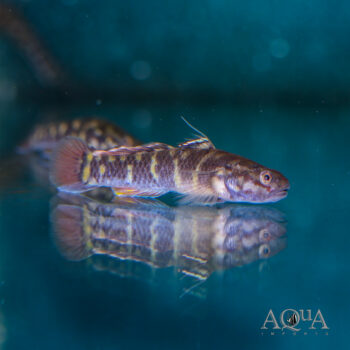
$19.99 Original price was: $19.99.$15.99Current price is: $15.99.
The Kanu Goby (Mugilogobius mertoni) or Chequered Mangrove Goby is a brackish goby found throughout much of the Indo-Pacific. They can be found in freshwater, but generally inhabit brackish to full marine environments. Colorful, hardy, and not picky feeders, they are a great addition to any brackish or marine aquarium with suitable tankmates. These gobies are are generally peaceful, but can become territorial with other gobies, especially other males.
-
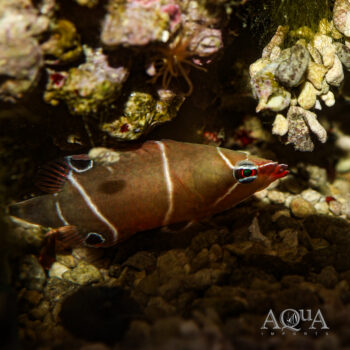
$79.99
White Banded Possum Wrasse (Wetmorella albofasciata) product description coming soon.
-
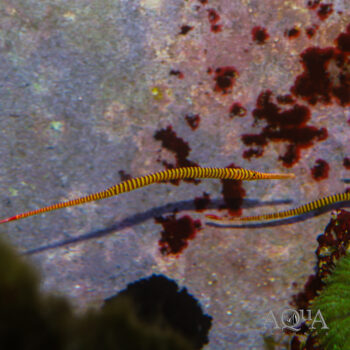
$44.99
Multi Banded Pipefish (Doryrhamphus pessuliferus)
-
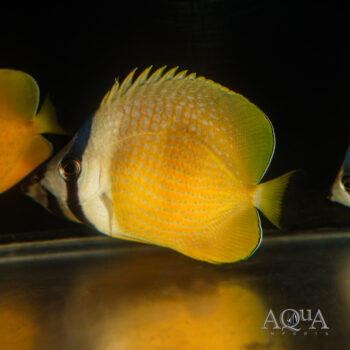
$49.99
Klein’s Butterfly (Chaetodon kleinii)
-
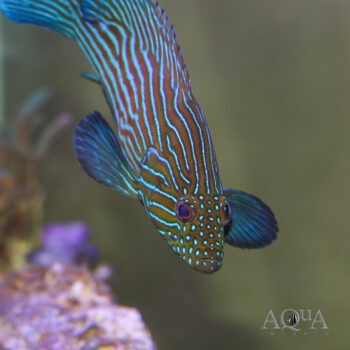
$199.99
Blueline Grouper (Cephalopholis formosa)
End of content
End of content