Paradise Fish (Macropodus opercularis)
Price range: $9.99 through $22.99Product description coming soon.
Select options
This product has multiple variants. The options may be chosen on the product page

Showing 26–50 of 67 resultsSorted by latest
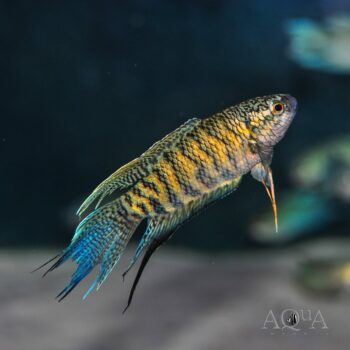
Product description coming soon.
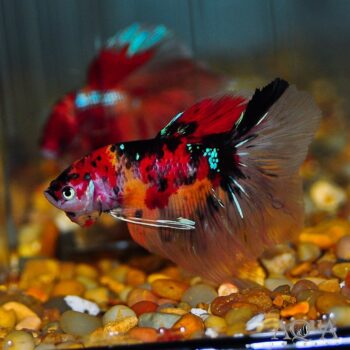
Probably the single most popular fish kept around the world, the Betta or Siamese Fighting fish has been popular in its native Thailand for centuries, and has been bred into dozens of color forms and strains. The Giant Halfmoon Koi or King Halfmoon Koi Betta variant will grow to a larger size while exhibiting the full fins of a halfmoon betta and koi patterning. Incredibly hardy, and with the ability to breathe air from the surface, these fish are popular “bowl fish” but really will do best in a small aquarium with a heater and some form of filtration. As their name implies, males of this species will fight and must be kept singly but females can be kept in groups.
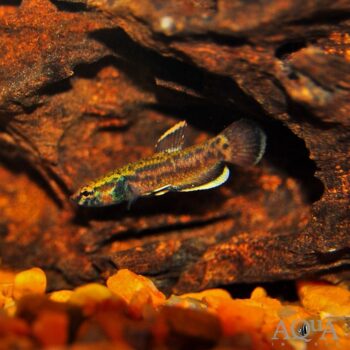
Betta albimarginata is a unique species of betta fish native only to the Sebuku river drainage in Kalimantan Timur, Indonesia. These fish are easily distinguished from other, more common betta fish by their patterned, often red bodies with elegant white borders along the margins of their fins. Like other betta species, these fish will do best in dim, low-current waters with access to air at the surface and plenty of shelter to hide and explore.
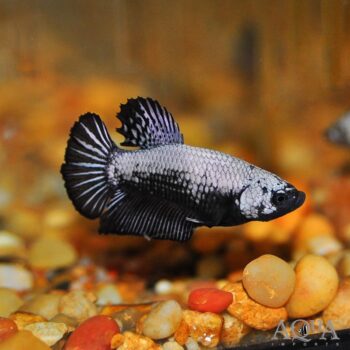
Probably the single most popular fish kept around the world, the Betta or Siamese Fighting fish has been popular in its native Thailand for centuries, and has been bred into dozens of color forms and strains. The Red Galaxy Gold Plakat variant is a unique strain named for its red base with gold koi spotting . Incredibly hardy, and with the ability to breathe air from the surface, these fish are popular “bowl fish” but really will do best in a small aquarium with a heater and some form of filtration. As their name implies, males of this species will fight and must be kept singly but females can be kept in groups.
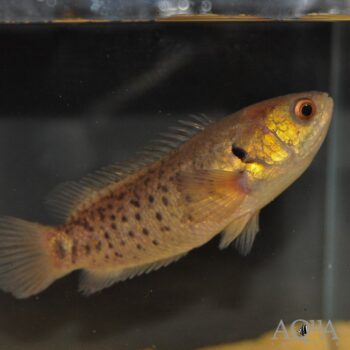
The Climbing Perch (Anabas tesudineus) is a rarity in the aquarium hobby. This obligatory breather, native to much of Asia, can be found in a range of water types, such as rivers, drainage systems, and flooded fields. The climbing perch’s pectoral fins and opercles allow it to move around on land. It uses this ability to look for nearby bodies of water throughout the dry season; if it is unable to find any, it can bury itself in mud and live for several weeks. Despite having an omnivorous diet that includes shrimp, fish fry, and macrophytic flora, they will happily devour pellets in captivity.
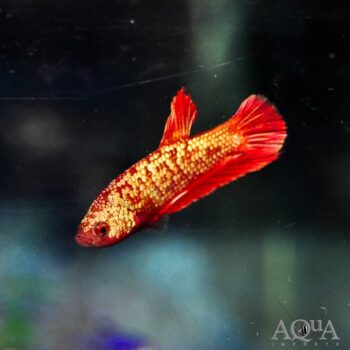
Probably the single most popular fish kept around the world, the Betta or Siamese Fighting fish has been popular in its native Thailand for centuries, and has been bred into dozens of color forms and strains. The Red Galaxy Gold Plakat variant is a unique strain named for its red base with gold koi spotting . Incredibly hardy, and with the ability to breathe air from the surface, these fish are popular “bowl fish” but really will do best in a small aquarium with a heater and some form of filtration. As their name implies, males of this species will fight and must be kept singly but females can be kept in groups.
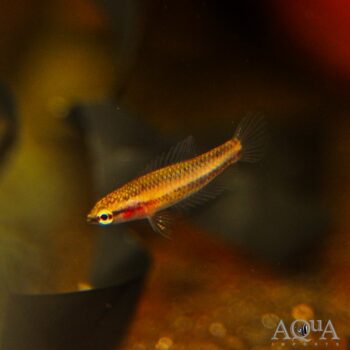
The Cherry Spotted Pygmy Licorice Gourami (Parosphromenus parvulus) is a smaller anabantiform fish, growing up to 1.25″. These gouramis have spectacular coloration, especially as adults. Adult Cherry Spotted Pygmy Licorice Gouramis have spots and stripes of red, blue, iridescent silver, black, and more! These fish will do best in soft water, as they are native to blackwater in Indonesia.
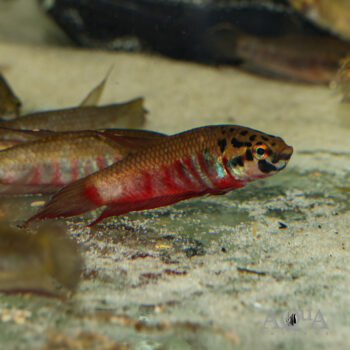
A beautiful wild-type betta from Sumatra, Indonesia, the Betta rubra is also known as the ruby betta, scarlet betta, or toba betta. Betta rubra are set apart from other bettas by their striking black and red striping. Breeding males will often display iridescent blue stripes as well. They have similar care requirements to the more common bettas in the hobby, making them a hardy but unique fish.
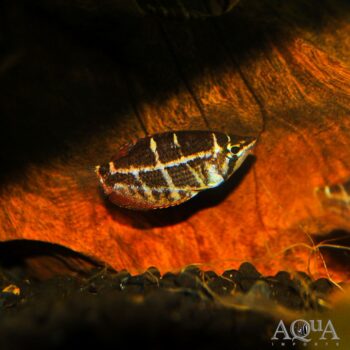
A small, peaceful gourami species found in the blackwater peat swamps of Borneo, the Crossband Chocolate Gourami is relatively rare in the hobby due to its relatively restricted range and unique requirements. In the wild, these fish inhabit warm, highly acidic waters with pH as low as 4.0, and in the aquarium it will do best if kept in soft, slightly acidic water as well. The addition of tannins to the water by using Indian Almond Leaves or Bark is useful to help this species thrive.
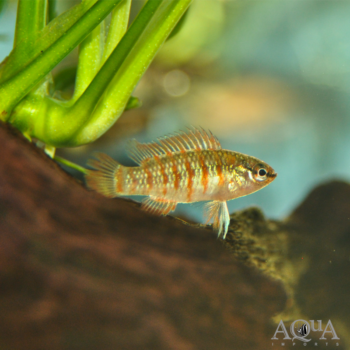
A tiny but beautifully marked member of the Badis family, these peaceful, active fish have been popular in the aquarium hobby since their introduction decades ago. Originating in shallow, slow-moving waters in West Bengal, India, they tend to be found in dense aggregations among stands of aquatic plants, with each fish generally staking out its own territory among the vegetation. In the aquarium, they will do best in heavily planted tanks with ample cover and in groups of 5 or more. Because of their small adult size and shy nature, the Scarlet Badis or Scarlet Gem is best kept with similarly sized, extremely peaceful tankmates. Tank Raised fish tend to be hardier and take to prepared foods easier than wild caught Badis in most cases.
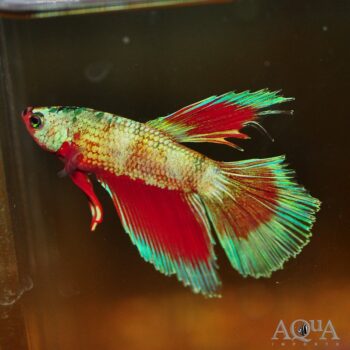
Probably the single most popular fish kept around the world, the Betta or Siamese Fighting fish has been popular in its native Thailand for centuries, and has been bred into dozens of color forms and strains. The crowntail variant is one of the more popular strains and is named for its impressive split finnage . Incredibly hardy, and with the ability to breathe air from the surface, these fish are popular “bowl fish” but really will do best in a small aquarium with a heater and some form of filtration. As their name implies, males of this species will fight and must be kept singly but females can be kept in groups.
Assortment note: Our assortment includes a variety of colors including blue, red, green, purple, and others. If you have a specific color you’d like you can request it in the order notes and we will make our best effort to select that color if possible.
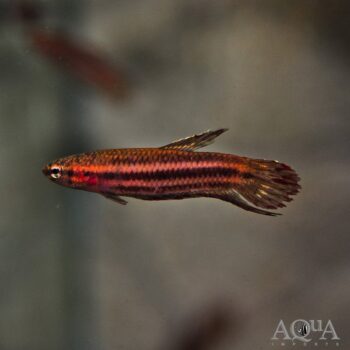
A beautiful wild Betta species known from Sumatra and Peninsular Malaysia, the Scarlet Betta or Red Wine Betta displays vivid red coloration with distinctive blue eyes. Males tend to have more elongate and colorful fins and adults typically have an iridescent blue patch along the body. A cryptic blackwater dweller, this species is typically found in pairs or small groups in the wild where they inhabit shallow, slow moving acidic waters. In the aquarium, maintaining similar conditions to their wild habitat and providing a varied diet will ensure optimal coloration and typically result in breeding behavior among pairs.
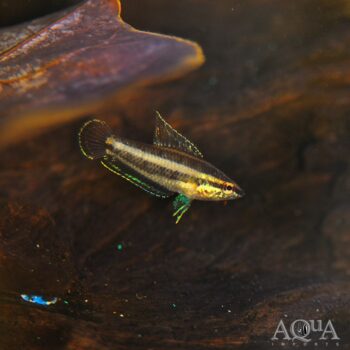
The Deissneri Licorice Gourami (Parosphromenus linkei), is a smaller anabantiform fish, growing up to only 1.25″. These nano gouramis have beautiful coloration, especially as adults. Deissneri Licorice Gouramis have striking black and silver stripes as well as shimmering iridescence on the fringes of their fins! These fish will do best in dimly lit soft water, as they are native to Indonesian blackwater habitats. They will also appreciate plenty of plant cover, dark substrate and decor, as well as plenty of live plants. Deissneri Licorice Gouramis are sensitive to water quality, so be sure that they are being added to a stable and healthy tank.
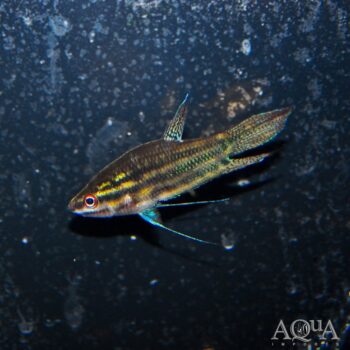
The Croaking Gourami is a colorful dwarf species of Gourami native to much of Southeast Asia, named for its ability to produce a unique croaking or purring sound, typically during spawning. The largest species in the genus Trichopsis, the Croaking Gourami is found in a wide range of shallow water habitats, from acidic blackwater swamps to quiet slow-moving clearwater creeks, usually found close to stands of aquatic plants or submerged vegetation. In the aquarium, they are an ideal resident of nano planted tanks, they are best kept in groups of 5 or more and make perfect tankmates for many of the popular species of microrasbora found throughout Southeast Asia in similar habitats.
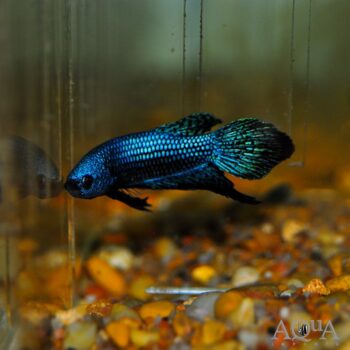
Probably the single most popular fish kept around the world, the Betta or Siamese Fighting fish has been popular in its native Thailand for centuries, and has been bred into dozens of color forms and strains. The Green Alien Plakat is a hybrid of line bred and wild Betta sp. which display beautiful vivid blue-green coloration with intricate patterns in their fins. Like most Bettas, they are incredibly hardy, with the ability to breathe air from the surface which has led to their reputation as a popular “bowl fish”. In reality, Bettas will do best in a small aquarium with a heater and some form of filtration. As their name implies, males of this species will fight and must be kept singly but females can typically be kept in groups.
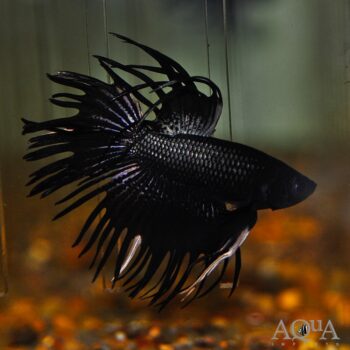
Probably the single most popular fish kept around the world, the Betta or Siamese Fighting fish has been popular in its native Thailand for centuries, and has been bred into dozens of color forms and strains. The crowntail variant is one of the more popular strains and is named for its impressive split finnage . Incredibly hardy, and with the ability to breathe air from the surface, these fish are popular “bowl fish” but really will do best in a small aquarium with a heater and some form of filtration. As their name implies, males of this species will fight and must be kept singly but females can be kept in groups.
Assortment note: Our assortment includes a variety of colors including blue, red, green, purple, and others. If you have a specific color you’d like you can request it in the order notes and we will make our best effort to select that color if possible.
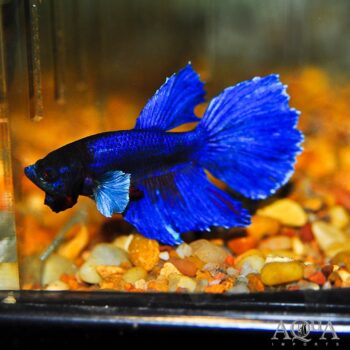
Probably the single most popular fish kept around the world, the Betta or Siamese Fighting fish has been popular in its native Thailand for centuries, and has been bred into dozens of color forms and strains. The Halfmoon Elephant Ear or Halfmoon Dubmo Betta is named for its large pectoral fins and full tail fin. Incredibly hardy, and with the ability to breathe air from the surface, these fish are popular “bowl fish” but really will do best in a small aquarium with a heater and some form of filtration. As their name implies, males of this species will fight and must be kept singly but females can be kept in groups.
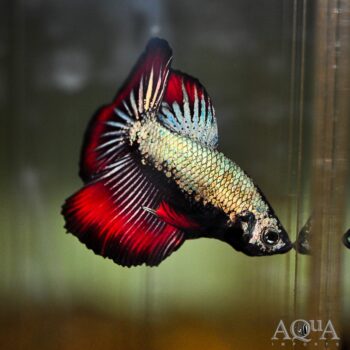
Probably the single most popular fish kept around the world, the Betta or Siamese Fighting fish has been popular in its native Thailand for centuries, and has been bred into dozens of color forms and strains. The Halfmoon Dragon Scale Betta is named for its metallic dorsal scales and full tail fins. Incredibly hardy, and with the ability to breathe air from the surface, these fish are popular “bowl fish” but really will do best in a small aquarium with a heater and some form of filtration. As their name implies, males of this species will fight and must be kept singly but females can be kept in groups.
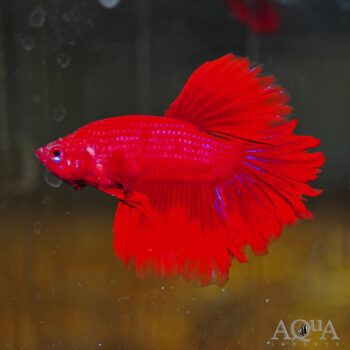
Probably the single most popular fish kept around the world, the Betta or Siamese Fighting fish has been popular in its native Thailand for centuries, and has been bred into dozens of color forms and strains. The Halfmoon Super Red Betta is named for its intense red coloration and full tail fins. Incredibly hardy, and with the ability to breathe air from the surface, these fish are popular “bowl fish” but really will do best in a small aquarium with a heater and some form of filtration. As their name implies, males of this species will fight and must be kept singly but females can be kept in groups.
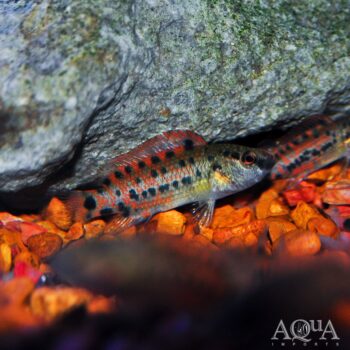
A medium-sized, beautifully marked member of the family Badidae, the Assam Bluespot Badis is known from the state of Assam in Northeastern India where it inhabits slow-moving, shallow waters, usually in forested areas. Like many of their close relatives, they are typically found in close quarters in areas with lots of cover but are territorial, with males staking out and defending their own areas. They are generally peaceful towards fish and invertebrates too large to be eaten, and will do well with a variety of community fish. In the aquarium, they will do best in heavily planted tanks with ample cover and if kept in a group it should be at least 5 or more fish in a larger aquarium.
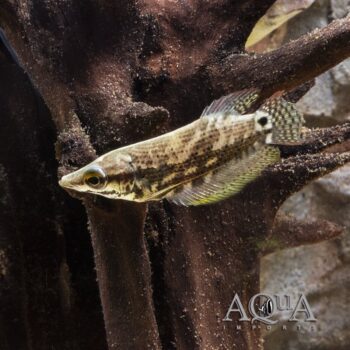
A unique, medium-growing Gourami species known from Northeastern India, Bangladesh, and Nepal, the Noble Gourami or Indian Frail Gourami is found in a variety of habitat types in both tropical and subtropical waters. Somewhat aggressive and territorial for a gourami, they tend to be found in very loose groups in the wild, typically in shallow water close to overhanging vegetation or large driftwood piles. In the aquarium, they are a relatively hardy fish but successfully keeping a group requires a larger aquarium with plenty of cover (especially floating plants) to diffuse any territoriality between adult fish.
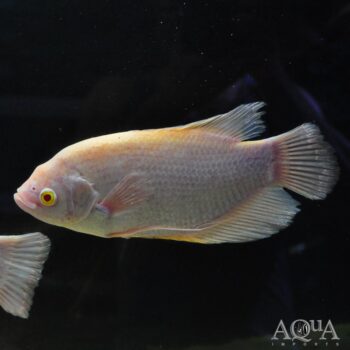
The largest of the labyrinth fish species commonly known as Gourami, the true Giant Gourami lives up to its name, reaching an adult size of over 20″ in many cases. Despite their large size, they are typically gentle giants, and are extremely personable “pet” fish that will beg for food and often learn to recognize their owners. The gold or white form of this fish is similar to the albino form but lacks the distinctive red eyes. In the aquarium, they are hardy and undemanding but will need a suitably large tank to be kept successfully.
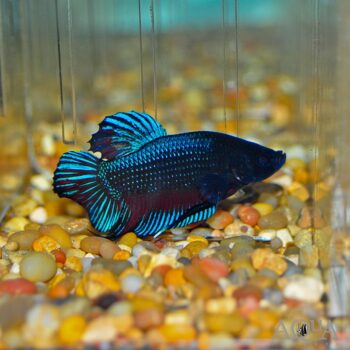
Probably the single most popular fish kept around the world, the Betta or Siamese Fighting fish has been popular in its native Thailand for centuries, and has been bred into dozens of color forms and strains. The Giant Plakat is a shortfin or roundtail variant line bred to grow much larger than typical Betta varieties. Incredibly hardy, and with the ability to breathe air from the surface, these fish are popular “bowl fish” but really will do best in a small aquarium with a heater and some form of filtration. As their name implies, males of this species will fight and must be kept singly but females can be kept in groups.
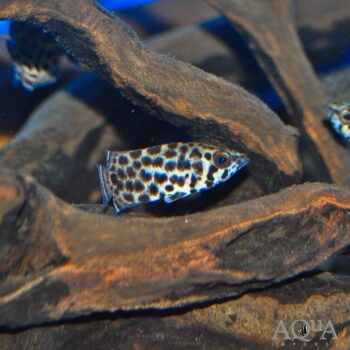
A beautifully marked and unique fish found throughout much of Central Africa, the Leopard Bushfish or Leopard Ctenopoma is a medium growing species which inhabits relatively shallow, warm, slow moving waters in the wild. Although they are not a large fish, they are adept predators, hunting invertebrates and smaller fishes among leaf litter and aquatic vegetation. In the aquarium, they are hardy and adaptable, and will thrive in small groups or with other similarly sized peaceful tankmates. This species will prey on smaller fish and invertebrate tankmates if given the opportunity but will also readily accept frozen and prepared foods.
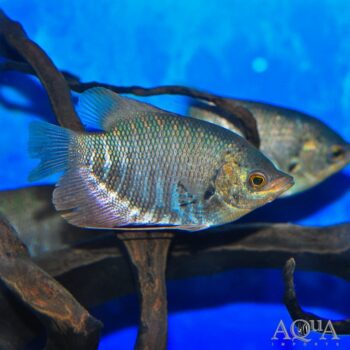
The Elephant Ear Giant Gourami is a recently described and uncommonly imported species of Giant Gourami that can be distinguished by its elongated gill cover, protruding teeth, and large spot just before the tail. In the wild, they feed largely on fruit and aquatic vegetation and should be offered plenty of fruit and vegetable based foods in the aquarium. Despite their large size, they are typically gentle giants, and are extremely personable “pet” fish that will beg for food and often learn to recognize their owners. They are hardy and undemanding but will need a suitably large tank to be kept successfully.
End of content
End of content
No products in the cart.