Showing all 3 resultsSorted by latest
-
$49.99 – $109.99Price range: $49.99 through $109.99
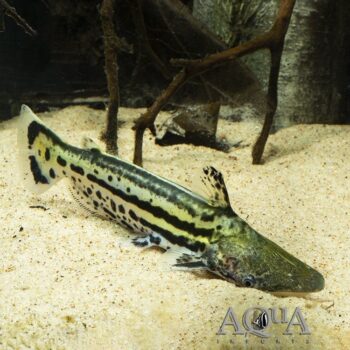
A rarely seen and attractively patterned Dolphin or Duckbill catfish of the genus Ageneiosus, the Orinoco Dolphin Cat is known only from the Orinoco and its tributaries in Colombia and Venezuela. This species can be distinguished from others in its genus by its base yellowish coloration and distinctive broken stripes that typically extend to the caudal fin. In the aquarium they are hardy and adaptable, but will do best with plenty of plants or driftwood for cover. While they are peaceful towards similarly sized tankmates they will eat any fish that can fit in their large mouths.
-
$59.99 – $119.99Price range: $59.99 through $119.99
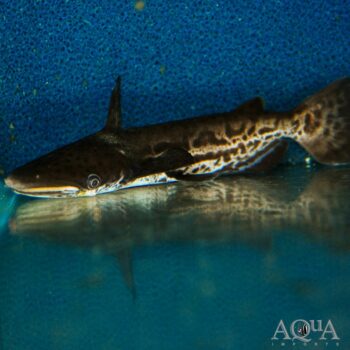
One of the most attractively patterned of the Dolphin or Duckbill catfish of the genus Ageneiosus, the Jaguar Dolphin Cat is found throughout much of the Amazon basin. Like the name suggests, this fish has a beautiful spotted pattern as juveniles which will fade slightly as they reach adulthood. In the aquarium they are hardy and adaptable, but will do best with plenty of plants or driftwood for cover. While they are peaceful towards similarly sized tankmates they will eat any fish that can fit in their large mouths.
-
$29.99
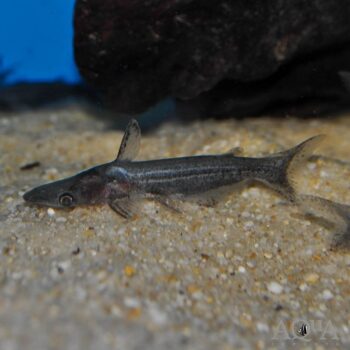
A unique member of a rarely seen genus of duckbill catfish, the Green Stripe Duckbill Cat is found in the Nanay river, a tributary of the Peruvian Amazon. Unlike some of the related duckbill catfish of the genus Ageneiosus, these fish are not large growing, with a maximum size of around 5-6″. They are often misidentified and this striped variant is one of several found in the region that are yet to be described. In the aquarium they are hardy and adaptable, but will do best with plenty of plants or driftwood for cover. They are often found in groups in the wild and will loosely school in some cases.
End of content
End of content