Showing all 11 resultsSorted by latest
-
$2.99
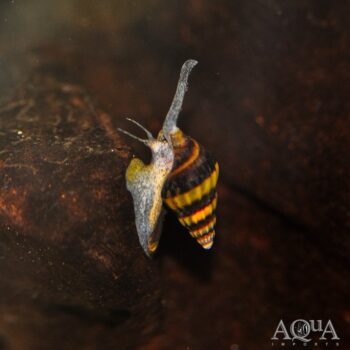
Aptly named for their carnivorous diets, the Assassin Snail (Clea helena) differs from many other freshwater snail species in the hobby. Assassin Snails have a preference for eating a meaty diet, including other snails! They are a popular choice for keeping pest snails, such as ramshorn or trumpet snails, in check.
-
$4.99
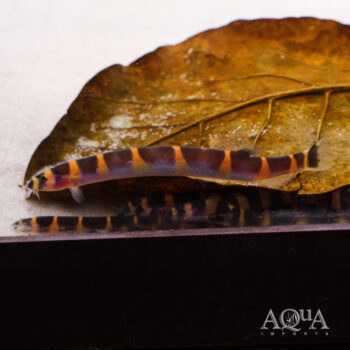
The Giant or Myer’s Kuhli Loach is a larger-growing, more robust relative of the popular banded Kuhlii Loach found throughout Thailand and parts of Malaysia. Due to their close similarity with P. kuhlii they are often misidentified or mixed in the trade, but can be distinguished by their pattern of overall larger black spots and a fully or mostly black caudal fin. In the wild they are found in a wide range of habitats, from peat swamps to shallow stretches of large river but usually inhabit soft, slightly acidic water with a fine sand or mud substrate. Like most of their relatives, they are hardy fish in the aquarium but prefer plenty of cover and will be most active and happiest in groups of 5 or more.
-
$3.99
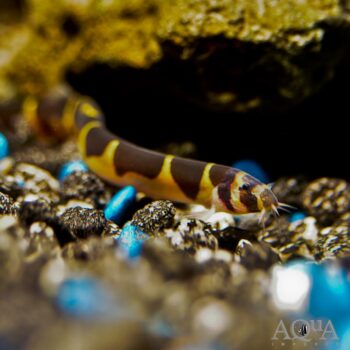
A longtime hobby favorite, the Kuhli Loach (Pangio kuhlii) is deservedly popular due to its unusual eel-like shape and active, social nature. In the wild, they are found in a wide range of habitats, from peat swamps to shallow stretches of large river and can be found in Thailand, Malaysia, and Indonesia. In the wild, they usually inhabit soft, slightly acidic water with a fine sand or mud substrate and in areas with ample leaf litter and other cover and during the day are usually found burrowed in or close to the substrate. In the aquarium, they are hardy fish but prefer plenty of cover and will be most active and happiest in groups of 5 or more.
-
$34.99
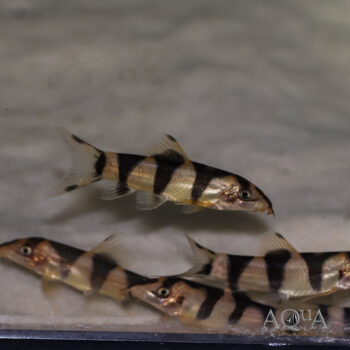
Two longtime aquarium hobby favorites, the Yo Yo Loach and Clown loach have successfully been crossbred and are now available to hobbyists. Like most loaches, they are a social fish, and are best kept in a group of at least 5 fish. Hardy, active, and attractively patterned, they are generally peaceful toward most tankmates and make for excellent snail control in a planted or aquascaped aquarium (so should not be kept with snails or any small invertebrates).
-
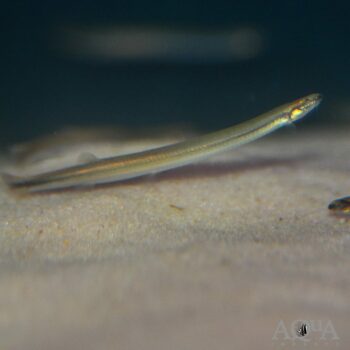
$4.99
A unique and unusual looking loach in the family Cobitidae, the Silver Kuhlii Loach is one of several similar elongated species found throughout parts of Southeast Asia. With its silvery sides, dark lateral band and active nature, they make a fascinating addition to an appropriately set up aquarium. In the wild these fish are found in large aggregations, and like most loaches are a social fish that should be kept in groups of at least 5. Their wild habitat is characterized by warm, slightly acidic, slow moving waters with fine sand substrate in which they will actively burrow to find food. In the aquarium, the Silver Kuhlii Loach will do best in similar conditions, with a fine sand or at least smooth substrate which will allow them to burrow as they would in nature.
-
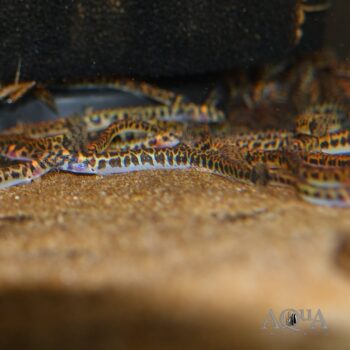
$4.99
The Leopard Kuhli or Calico Kuhli Loach (Pangio shelfordii) is a smaller-growing loach species found in a wide range of habitats, from peat swamps to shallow stretches of large river but usually inhabiting soft, slightly acidic water with a fine sand or mud substrate throughout Sumatra and Borneo. Like most of their relatives, they are hardy fish in the aquarium but prefer plenty of cover and will be most active and happiest in groups of 5 or more.
-
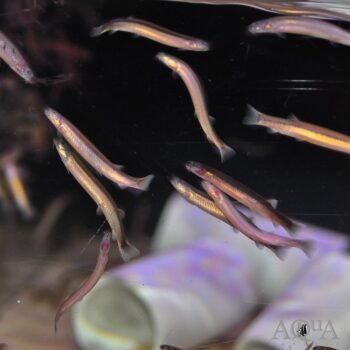
$4.99
Product description coming soon.
-
Sale!
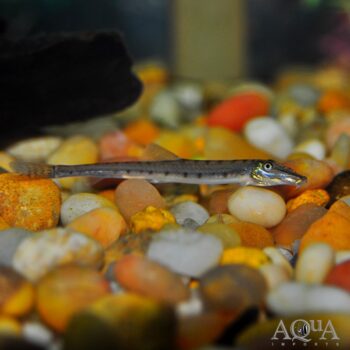
$9.99 Original price was: $9.99.$8.99Current price is: $8.99.
A unique, larger growing species, the Horseface Loach is found throughout Central to Southern Thailand and Malaysia, with other very similar species inhabiting nearby regions. In the wild, they are found in a wide range of habitats but typically prefer sandy/rocky streambeds with moderate to strong water movement. During the day are often found with their bodies burrowed in the substrate and their head above the sand. In the aquarium, they are extremely hardy fish but prefer plenty of cover and will be most active and happiest in groups of 5 or more.
-
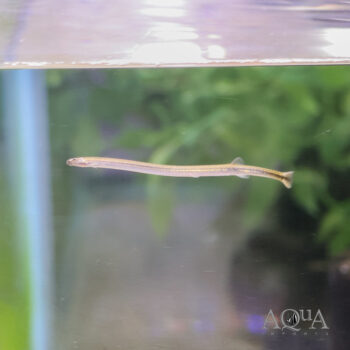
$5.99
A unique and unusual looking loach in the family Cobitidae, the Neon or Golden Kuhlii Loach is one of several similar elongated species found throughout parts of Southeast Asia. With its vibrant, almost iridescent pink coloration and active nature, they make a fascinating addition to an appropriately set up aquarium. In the wild these fish are found in large aggregations, and like most loaches are a social fish that should be kept in groups of at least 5. Their wild habitat is characterized by warm, slightly acidic, slow moving waters with fine sand substrate in which they will actively burrow to find food. In the aquarium, the Neon Kuhlii Loach will do best in similar conditions, with a fine sand or at least smooth substrate which will allow them to burrow as they would in nature.
-
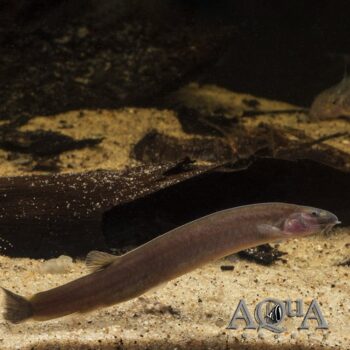
$3.99
A close relative of the more well-known Kuhli Loach, the Black Kuhli or Java loach has a similar eel-like shape and active, social nature. In the wild, they are found in a wide range of habitats, from peat swamps to shallow stretches of large river and can be found across much of Southeast Asia. Their typical habitat is soft, slightly acidic water with a fine sand or mud substrate and in areas with ample leaf litter and other cover and during the day are often found burrowed in or close to the substrate. In the aquarium, they are extremely hardy fish but prefer plenty of cover and will be most active and happiest in groups of 5 or more.
-
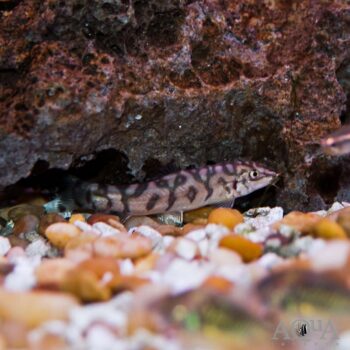
$4.99 – $6.99Price range: $4.99 through $6.99
A longtime aquarium hobby favorite, the Yo Yo Loach is so named for the intricate pattern found on juvenile fish which appears to spell out the word “yo yo” along its sides. Also known as the Lohachata Botia or the Pakistani Loach, the species originates from streams in India, Bangladesh, and possibly Nepal, although wild specimens are rarely exported. Like most loaches, it is a social fish, and requires a group of at least 5 fish to thrive in captivity. A hardy, active, and attractively patterned species, they are generally peaceful toward most tankmates and make for excellent snail control in a planted or aquascaped aquarium (so should not be kept with snails or any small invertebrates).
End of content
End of content