Glass Candiru Catfish (Tridensimilus brevis)
$9.99Product description coming soon.

Showing all 6 resultsSorted by latest


An ornately patterned parasitic catfish, the Jaguar Candiru (Pseudostegophilus nemurus) is found throughout much of the Amazon basin. This species uses its strong sense of smell to seek out larger fish and feed on their scales and mucus. They are known to remove large chunks from other fish and should be housed with this in mind. In the aquarium, they do best in a large tank with plenty of open swimming space and moderate to strong current.
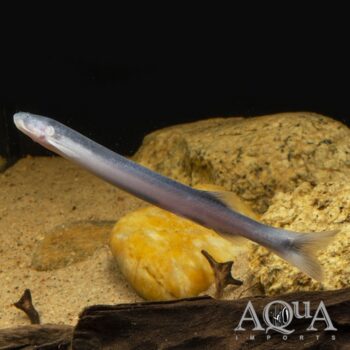
An unusual looking parasitic catfish, the Torpedo Candiru Cat or Candiru açu is found throughout much of the Amazon basin. A powerful, active swimmer that is almost always in motion, this species uses its strong sense of smell to seek out larger fish and either burrowing into gill tissue or skin with their highly specialized like mouths. They also feed on dead fish and mammals (including in some cases humans that had drowned), burrowing under skin and hollowing out the body. In the aquarium, they do best in a large tank with plenty of open swimming space and moderate to strong current.
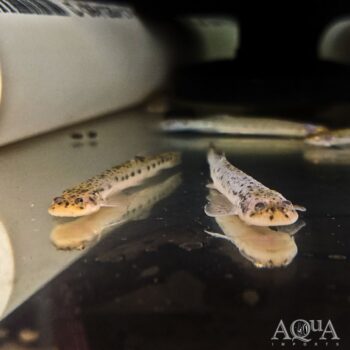
Product description coming soon
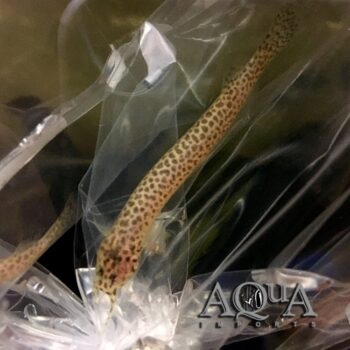
A beautifully marked member of the pencil catfish family – more commonly known in the Amazon as Candiru – many of which are parasitic in nature, attaching themselves to the inside of the gills or other surfaces of larger fish and feeding on blood. In the aquarium, most of these species will readily adapt to a more conventional diet, and the Leopard Spotted Candiru accepts most sinking frozen or prepared foods. A shy species, they will typically hide during the day and emerge at night to explore and search for food.
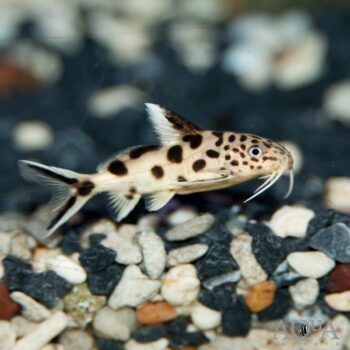
One of the more colorful and popular species of Synodontis, S. multipunctatus is known as the Cuckoo Catfish due to its habit of laying eggs in the nests of larger cichlid species, which then care for the young catfish as if they were their own offspring (a practice known as “brood parasitism”). Found in the cichlid-rich, rocky waters of Lake Tanganyika in Central Africa, these fish make excellent aquarium specimens and are typically bold and active fish. We are pleased to offer locally bred F1 specimens from wild-collected broodstock.
End of content
End of content
No products in the cart.