Showing all 7 resultsSorted by latest
-
$29.99
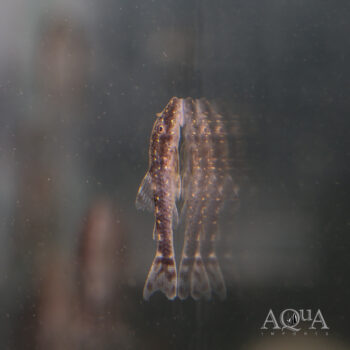
A distinctively marked and uncommonly imported relative of the common Otocinclus, the Galaxy Oto (Parotocinclus haroldoi) is known only from the Parnaíba River and its tributaries, where it spends most of its time grazing on submerged driftwood and vegetation. An ideal algae eater for most community or planted aquariums, they will eat filamented algae and diatoms from most surfaces, including the aquarium glass. Like most of their close relatives, they are social fish, best kept in groups.
-
$3.99
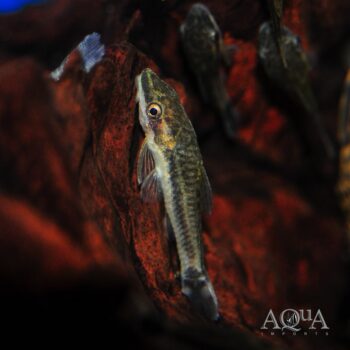
One of the most popular aquarium algae eaters (and for good reason), the Amazon Otocinclus, Oto, or Oto Catfish is a small, schooling suckermouth cat found throughout much of South America. There are several species of Otocinclus commonly imported for the aquarium trade, but of these the larger, more robust species found in the Central Amazon (O. cf. macrospilus) is probably the hardiest and best choice for most aquariums. Safe for all planted tanks and compatible with any peaceful tankmates, the Amazon Otocinclus will feed readily on diatom and other forms of nuisance algae in the aquarium but should be supplemented regularly with sinking veggie-based foods, gel diet, and fresh vegetables like zucchini or romaine lettuce. A social species often found in huge aggregations, all Otocinclus species should be kept in groups of at least 5 but preferably 10 or more fish if space allows.
-
$19.99
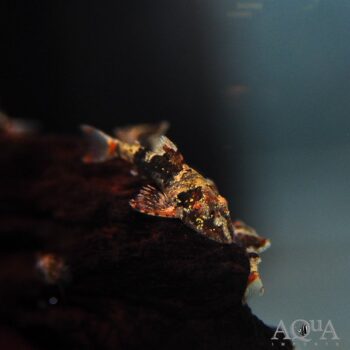
The Bumble Bee Oto (Rhinotocinclus isabelae) is found in the Rio Nanay near Iquitos, Peru. These fish prefer mild flow and cover in the form of plants and driftwood. As a herbivore, this fish will consume biofilms and filamentous algae in your tank, benefiting the overall ecosystem. When there is a scarcity of algae in your tank, you can supplement the oto’s diet with algae wafers. This small peaceful species that will mingle well in a community or planted tank. They are best kept in groups of 5 or more.
-

$14.99
Adistinctively marked and uncommonly imported relative of the common Otocinclus, the Longnose Peppermint Oto is known from the lower Rio Negro and its tributaries in the Brazilian Amazon, where it spends most of its time grazing on submerged driftwood and vegetation. An ideal algae eater for most community or planted aquariums, they will eat filamented algae and diatoms from most surfaces, including the aquarium glass. Like most of their close relatives, they are social fish, best kept in groups.
-
$14.99
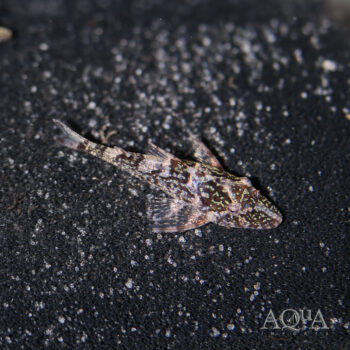
A beautifully and distinctively marked relative of the common Otocinclus, the Peppermint Oto inhabits Venezuela’s Rio Orinoco, where it spends most of its time grazing on submerged driftwood and vegetation. An ideal algae eater for most community or planted aquariums, they will eat filamented algae and diatoms from most surfaces, including the aquarium glass. Like most of their close relatives, they are best kept in groups.
-
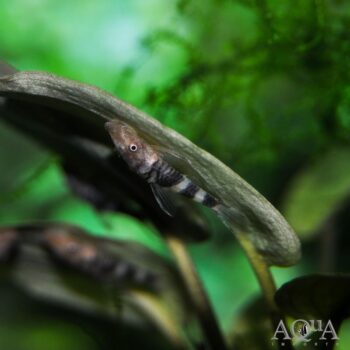
$21.99
A beautifully and distinctively marked dwarf relative of the common Otocinclus, the Orange Zebra Oto inhabits the upper Rio Nanay in Peru, where it spends most of its time grazing on submerged driftwood and vegetation. An ideal algae eater for most community or planted aquariums, they will eat filamented algae and diatoms from most surfaces, including the aquarium glass. Like most of their close relatives, they are best kept in groups.
-
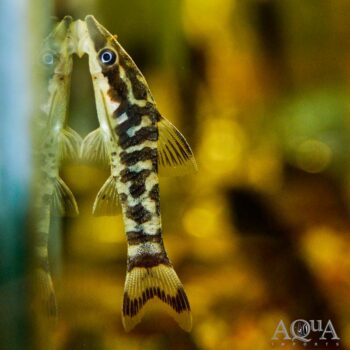
$18.99
A beautifully and distinctively marked relative of the common Otocinclus or Oto Cat, the Rio Tigre Zebra Oto inhabits Peru’s Rio Tigre, where it spends most of its time grazing on submerged driftwood and vegetation. An ideal algae eater for most community or planted aquariums, they will eat filamened algae and diatoms from most surfaces, including the aquarium glass. Like most of their close relatives, they are best kept in groups.
End of content
End of content