Showing all 11 resultsSorted by latest
-
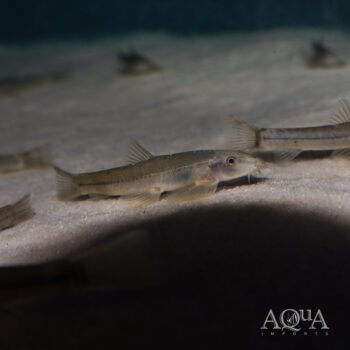
$24.99
Typically loach species from the Balitoridae family inhabit fast-moving, rocky streams in Southeast Asia. However, Homalopterula gymnogaster are known to inhabit the high volcanic lakes of Sumatra. Some of these caldera lakes are over 6,000ft in elevation. In the wild, they are grazers and generalists, feeding on algae, biofilm, and small insects and crustaceans. In the aquarium, they do best when kept in a system with high flow and well-oxygenated water.
-
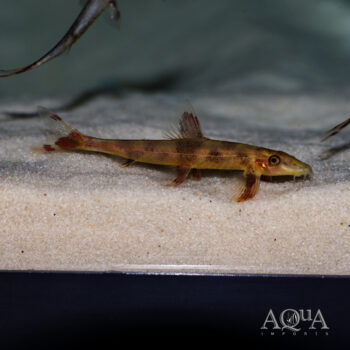
$17.99
The Ogilvie’s Lizard Hillstream Loach (Homaloptera ogilviei) is the smallest species in the genus Homaloptera. These loaches reside in fast-moving, rocky streams in Malaysia, Sumatra, and Borneo where they use their modified pectoral fins to attach themselves to the rocky substrate and move among the rocks in search of food. In the wild, they are grazers and generalists, feeding on algae, biofilm, and small insects and crustaceans. In the aquarium, they do best when kept under similar conditions to their wild habitat – rocks, ample current, and well-oxygenated water. Although they will accept a number of prepared sinking foods, it’s important to supplement their diet with algae- or veggie-based food.
-
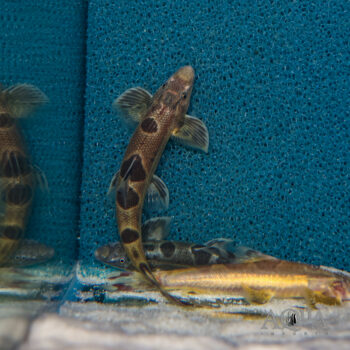
$29.99
A resident of fast-moving, rocky streams in Sumatra, Spotted Lizard Hillstream Loaches (Homaloptera ocellata) use their modified pectoral fins to attach themselves to the rocky substrate and move among the rocks in search of food. In the wild, they are grazers and generalists, feeding on algae, biofilm, and small insects and crustaceans. In the aquarium, they do best when kept under similar conditions to their wild habitat – rocks, ample current, and well-oxygenated water. Although they will accept a number of prepared sinking foods, it’s important to supplement their diet with algae- or veggie-based food.
-
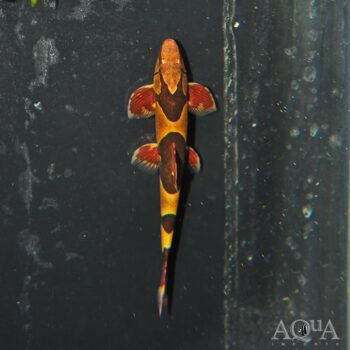
$39.99
A resident of fast-moving, rocky streams in Southeast Asia, Saddle Back Loaches use their modified pectoral fins to attach themselves to the rocky substrate and move among the rocks in search of food. In the wild, they are grazers and generalists, feeding on algae, biofilm, and small insects and crustaceans. In the aquarium, they do best when kept under similar conditions to their wild habitat – rocks, ample current, and well-oxygenated water. Although they will accept a number of prepared sinking foods, it’s important to supplement their diet with algae- or veggie-based food.
-
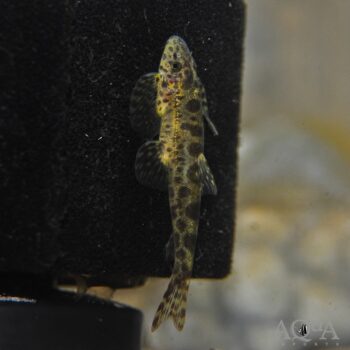
$19.99
Product description coming soon.
-
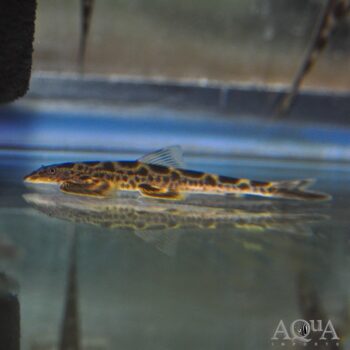
$19.99
Product description coming soon.
-
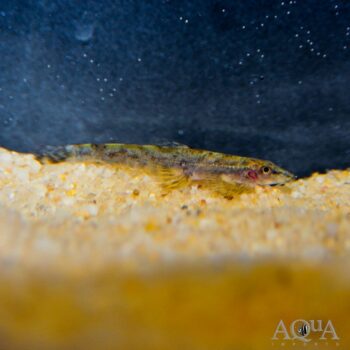
$19.99
Product description coming soon.
-
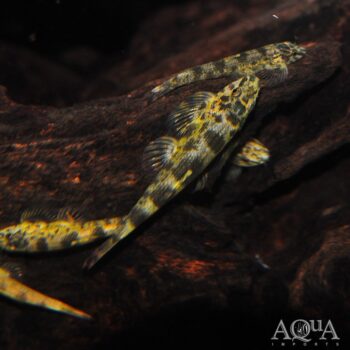
$12.99
The Green Lizard Loach (Homalopteroides cf. smithi) is a beautifully patterned fish native to the Mekong River system across Southeast Asia. They are also known as the Gecko Loach or the Alligator Hillstream Loach. Similar to other hillstream species, the Green Lizard Loach requires clean and flowing highly oxygenated water. They will do best in a setup with plenty of resting and hiding spaces. Green Lizard Loaches are a generally peaceful species and will thrive best in groups of the same species, feeding primarily on food such as brine shrimp and bloodworms in captivity.
-
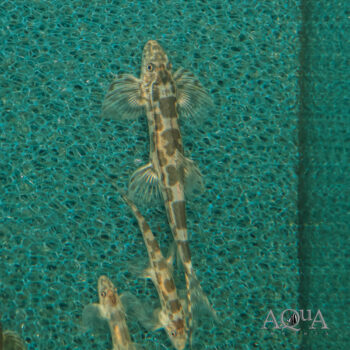
$24.99
A resident of fast-moving, rocky streams in Northern Thailand, the Spotted Lizard Loach (Pseudohomaloptera sexmaculata) uses its unique modified pectoral fins to attach themselves to rocky substrate and move among the rocks in search of food. In the wild, they are grazers and generalists, feeding on algae, biofilm, and small insects and crustaceans. In the aquarium, they do best when kept under similar conditions to their wild habitat – rocks, ample current, and well-oxygenated water. Although they will accept a number of prepared sinking foods, it’s important to supplement their diet with algae- or veggie-based food.
-
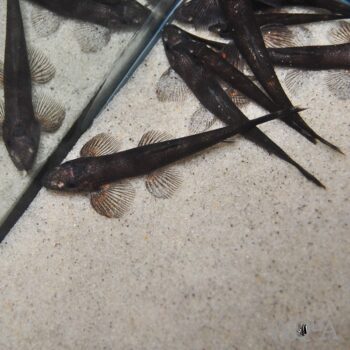
$12.99 – $15.99Price range: $12.99 through $15.99
A resident of fast-moving, rocky streams in Southeast Asia, Black Lizard Loaches use their modified pectoral fins to attach themselves to the rocky substrate and move among the rocks in search of food. In the wild, they are grazers and generalists, feeding on algae, biofilm, and small insects and crustaceans. In the aquarium, they do best when kept under similar conditions to their wild habitat – rocks, ample current, and well-oxygenated water. Although they will accept a number of prepared sinking foods, it’s important to supplement their diet with algae- or veggie-based food.
-
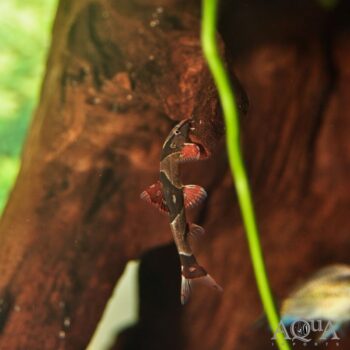
$19.99 – $21.99Price range: $19.99 through $21.99
A resident of fast-moving, rocky streams in Southeast Asia, Red Lizard Loaches use their modified pectoral fins to attach themselves to the rocky substrate and move among the rocks in search of food. In the wild, they are grazers and generalists, feeding on algae, biofilm, and small insects and crustaceans. In the aquarium, they do best when kept under similar conditions to their wild habitat – rocks, ample current, and well-oxygenated water. Although they will accept a number of prepared sinking foods, it’s important to supplement their diet with algae- or veggie-based food.
End of content
End of content