Showing all 4 resultsSorted by latest
-
$19.99
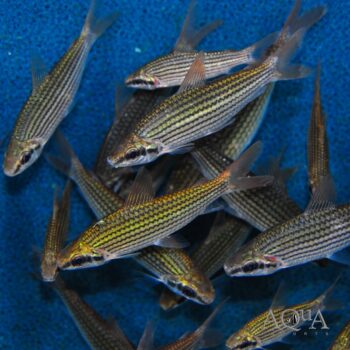
A unique schooling characin, the Golden Curimata or Golden Mascara Tetra (Cyphocharax multilineatus) can be found in large aggregations in shallow water areas grazing on insect larvae, crustaceans, and biofilm. They are relatives of the headstanders more commonly found in the hobby. In the aquarium, they are relatively hardy but will do best in warm, slightly acidic water with plenty of cover and minimal current. A tightly schooling fish, they should be kept in groups of at least 5, with larger groups making for a very distinctive display in a medium to large aquarium.
-
$15.99
Product description coming soon.
-
$10.99 – $12.99Price range: $10.99 through $12.99
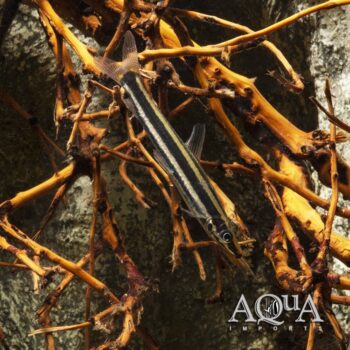
The Ternetzi Headstander is a close relative to the more well-known Striped Headstander, Anostomus anostomus, which is found throughout much of Colombia, Venezuela, and Peru. It is found in a variety of habitat types, from fast flowing waters to shallow blackwater swamps. Like most of their close relatives, they are best kept in groups of 3-5 or more to prevent aggression among individuals. While they can be prone to nipping fins on slow moving tankmates, they make excellent dither fish for medium to large South American Cichlids or other fast moving larger fish.
-
$6.99
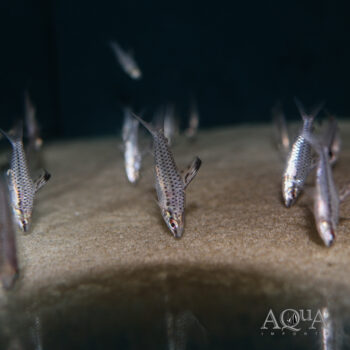
A small, unique schooling characin, the Spotted or Graceful Headstander Tetra is named for the distinctive “head down” posture they typically swim in. In the wild, they are usually found in large aggregations in shallow water areas and graze on insect larvae, crustaceans, and biofilm. In the aquarium, they are relatively hardy but will do best in warm, slightly acidic water with plenty of cover and minimal current. A tightly schooling fish, they should be kept in groups of at least 5, with larger groups making for a very distinctive display in a medium to large aquarium.
End of content
End of content