Showing all 7 resultsSorted by latest
-
$8.99
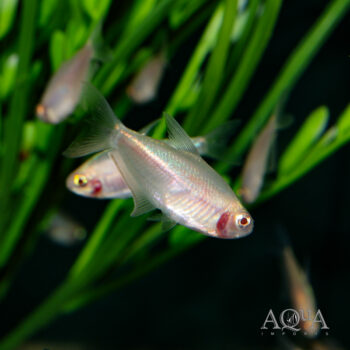
The Emperor Tetra (Nematobrycon palmeri) is a popular aquarium fish due to its vibrant iridescent body coloration and striking finnage. In the aquarium, they are hardy and adaptable, perfect for most medium community aquariums or planted/aquascaped tanks. Like most tetras they should be kept in groups of at least 5.
-
$5.99 – $6.99Price range: $5.99 through $6.99
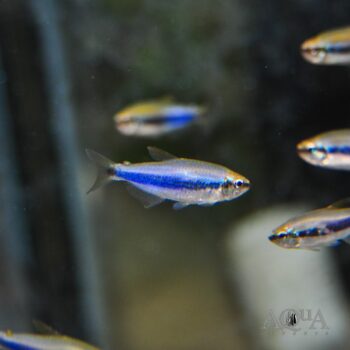
A colorful, smaller growing characin known from the upper Rio Madeira in Brazil, the Blue Emperor or Blue Kerri Tetra is deservedly popular in the aquarium hobby and has been commercially bred for years to the point where wild collected specimens are almost never exported. In the wild, they inhabit slow moving, warm, acidic streams but will adapt to a wide range of conditions in the aquarium. Like most of their close relatives, they are a loosely schooling species that will do best in groups of 5 or more and will get along well with most similarly sized, peaceful tankmates. Subdued lighting, plenty of cover in the form of driftwood or plants, and slightly soft water will help promote vibrant coloration.
-
$4.99
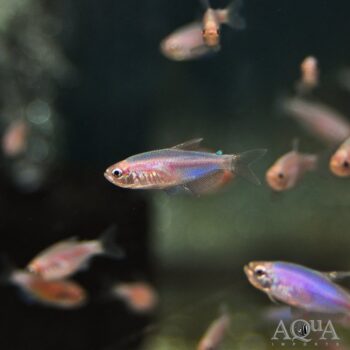
A “man made” color morph of the Blue Kerri Tetra, the Golden Emperor or Gold Kerri Tetra is deservedly popular in the aquarium hobby. In the wild, these Tetras inhabit slow moving, warm, acidic streams but will adapt to a wide range of conditions in the aquarium. Like most of their close relatives, they are a loosely schooling species that will do best in groups of 5 or more and will get along well with most similarly sized, peaceful tankmates. Subdued lighting, plenty of cover in the form of driftwood or plants, and slightly soft water will help promote vibrant coloration.
-
$4.99 – $7.99Price range: $4.99 through $7.99
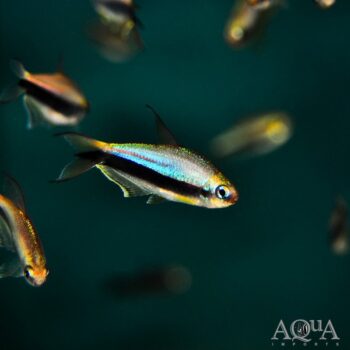
The Emperor Tetra (Nematobrycon palmeri) is a popular aquarium fish due to its vibrant iridescent body coloration and striking finnage. In the aquarium, they are hardy and adaptable, perfect for most medium community aquariums or planted/aquascaped tanks. Like most tetras they should be kept in groups of at least 5.
-
$3.99 – $4.99Price range: $3.99 through $4.99
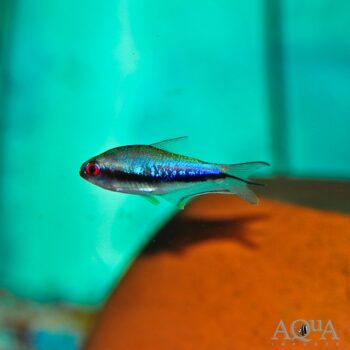
The Rainbow Emperor Tetra or Lacortei Tetra is a mid-size, beautifully colored schooling characin found in the Choco region of Colombia, in the waters of the Rio San Juan and its tributaries. In the wild it generally inhabits shallow, slow moving stretches of river or flooded forest area, usually close to submerged vegetation. This species is superficially similar to the more well known Emperor Tetra (N. palmeri) when young, but adults develop an unmistakable iridescent pattern above the lateral stripe with shades of red, pink, and green. Adult fish are easy to sex, with males displaying a distinct deep red eye and typically more intense coloration and elongated streamers on the caudal fin. In the aquarium, they are hardy and adaptable, perfect for most medium community aquariums or planted/aquascaped tanks. Like most tetras they should be kept in groups of at least 5.
-
$7.99
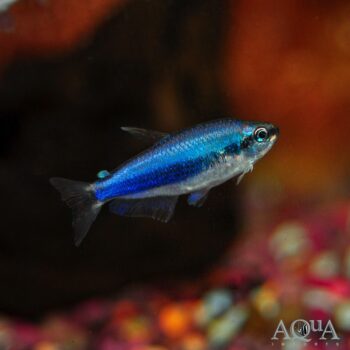
A colorful, smaller growing characin known from the upper Rio Madeira in Brazil, the Super Blue Emperor or Super Blue Kerri Tetra is deservedly popular in the aquarium hobby and has been commercially bred for years to the point where wild collected specimens are almost never exported. In the wild, they inhabit slow moving, warm, acidic streams but will adapt to a wide range of conditions in the aquarium. Like most of their close relatives, they are a loosely schooling species that will do best in groups of 5 or more and will get along well with most similarly sized, peaceful tankmates. Subdued lighting, plenty of cover in the form of driftwood or plants, and slightly soft water will help promote vibrant coloration.
-
$4.99 – $5.99Price range: $4.99 through $5.99
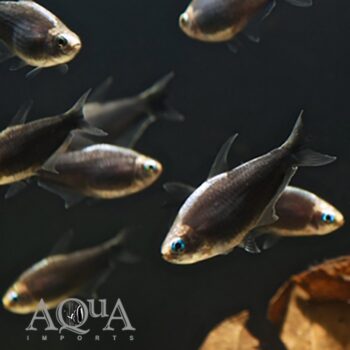
The Black Emperor Tetra is a line bred color variant of the popular Emperor Tetra selected over generations for its unique, deep blue-black body coloration and striking blue eyes. In the aquarium, they are hardy and adaptable, perfect for most medium community aquariums or planted/aquascaped tanks. Like most tetras they should be kept in groups of at least 5.
End of content
End of content