Showing all 7 resultsSorted by latest
-
$10.99 – $24.99Price range: $10.99 through $24.99
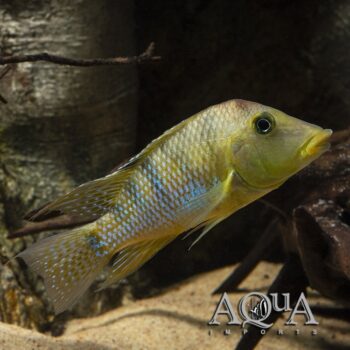
One of the smaller species of South American eartheater, the Choco Red Hump Eartheater is similar to the more commonly seen G. steindachneri from the Magdalena basin but may represent either a regional variant or distinct undescribed species. This variant displays striking yellows, with mature males showing vivid iridescent blue and red as well. A hardy and adaptable species, they tend to take prepared foods better than some of their more delicate relatives but like all Geophagus prefer a fine sand substrate to sift through. A social fish when young, they can become aggressive and territorial when they are large enough to form pairs and spawn.
-
$22.99
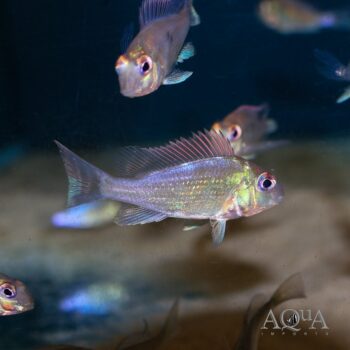
A spectacularly colored eartheater found only in a few river systems in Southern Brazil, the Sveni Eartheater is considered part of the ‘Surinamensis’ complex of closely-related species which are found throughout most of South America. With intense blue, red, and green coloration and long, flowing ventral fin streamers, the variant of Geophagus sveni from Brazil’s Rio Araguaia is one of, if not the most beautiful and sought after of all eartheaters in the hobby. This species was once an extremely rare import as a wild fish but are now bred on a fairly large scale to supply the hobby worldwide. A relatively peaceful cichlid, the Sveni Eartheater is best kept in groups in an aquarium with fine sand substrate so they can exhibit their natural sand sifting behavior. A varied diet rich in quality proteins and high in red color enhancers like astaxanthin will ensure they develop their most vibrant coloration in the aquarium.
-
$24.99 – $159.99Price range: $24.99 through $159.99
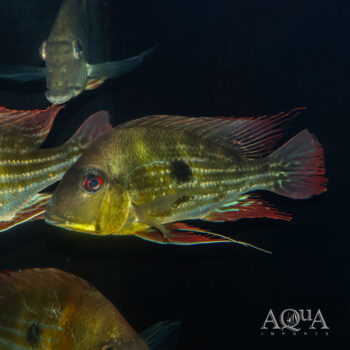
One of several similar looking species from the ‘surinamensis’ group of the genus Geophagus found in the acidic, soft waters of the Orinoco Basin in Colombia and Venezuela, the Winemilleri Eartheater can be distinguished by its lack of black bars on each cheek and their distinctive bar pattern. A peaceful cichlid, they generally do well in a community cichlid aquarium with sandy substrate and lots of open swimming space. Like all eartheaters, they are highly specialized bottom feeders, using their downward facing mouths to inhale mouthfuls of fine substrate and then sifting it through their gills in order to pick out small invertebrates or other tiny prey. In the aquarium, they will accept a variety of sinking foods but will do best when offered a combination of small sinking granules and frozen foods like bloodworms, mysis shrimp, or spirulina enriched brine.
-
$49.99 – $119.99Price range: $49.99 through $119.99
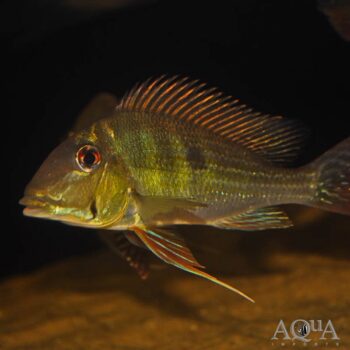
One of several similar looking species from the ‘surinamensis’ group of the genus Geophagus found in the acidic, soft waters of the Orinoco Basin in Colombia and Venezuela, the Dicrozoster Eartheater can be distinguished by the prominent black bar on each cheek and their distinctive bar pattern. A peaceful cichlid, they generally do well in a community cichlid aquarium with sandy substrate and lots of open swimming space. Like all eartheaters, they are highly specialized bottom feeders, using their downward facing mouths to inhale mouthfuls of fine substrate and then sifting it through their gills in order to pick out small invertebrates or other tiny prey. In the aquarium, they will accept a variety of sinking foods but will do best when offered a combination of small sinking granules and frozen foods like bloodworms, mysis shrimp, or spirulina enriched brine.
-
$19.99 – $219.99Price range: $19.99 through $219.99
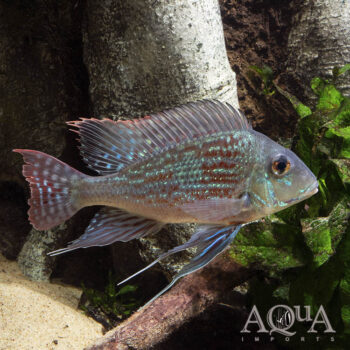
A spectacularly colored eartheater found only in a few river systems in Southern Brazil, the Sveni Eartheater is considered part of the ‘Surinamensis’ complex of closely-related species which are found throughout most of South America. With intense blue, red, and green coloration and long, flowing ventral fin streamers, the variant of Geophagus sveni from Brazil’s Rio Parana is one of, if not the most beautiful and sought after of all eartheaters in the hobby. This species was once an extremely rare import as a wild fish but are now bred on a fairly large scale to supply the hobby worldwide. A relatively peaceful cichlid, the Sveni Eartheater is best kept in groups in an aquarium with fine sand substrate so they can exhibit their natural sand sifting behavior. A varied diet rich in quality proteins and high in red color enhancers like astaxanthin will ensure they develop their most vibrant coloration in the aquarium.
-
$13.99 – $89.99Price range: $13.99 through $89.99
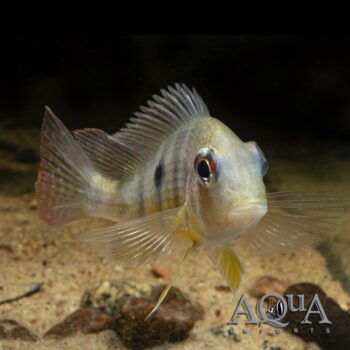
This colorful eartheater from the ‘surinamensis’ group of the genus Geophagus originates from the fast-flowing waters of the Rio Caqueta in Southern Colombia. A relative newcomer to the hobby, this still-undescribed species has quickly become popular due to its distinctive iridescent gold coloration and the showy ventral streamers adult fish display. In the aquarium, they are peaceful for a cichlid, and prefer to live in groups. A relatively peaceful cichlid, the Caqueta Gold Eartheater is best kept in an aquarium with fine sand substrate so they can exhibit their natural sand sifting behavior. A varied diet rich in quality proteins and high in red color enhancers like astaxanthin will ensure they develop their most vibrant coloration in the aquarium.
-
$14.99 – $59.99Price range: $14.99 through $59.99
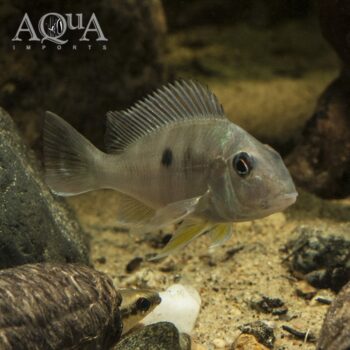
This colorful eartheater from the ‘surinamensis’ group of the genus Geophagus originates from the acidic, soft waters of the Orinoco Basin in Colombia and Venezuela. A peaceful cichlid, they generally do well in community cichlid aquaria with sandy substrate and lots of open swimming space. Like all eartheaters, they are highly specialized bottom feeders, using their downward facing mouths to inhale mouthfuls of fine substrate and then sifting it through their gills in order to pick out small invertebrates or other tiny prey. In the aquarium, they will accept a variety of sinking foods but will do best when offered a combination of small sinking granules and frozen foods like bloodworms, mysis shrimp, or spirulina enriched brine.
End of content
End of content