Showing all 3 resultsSorted by latest
-
$14.99
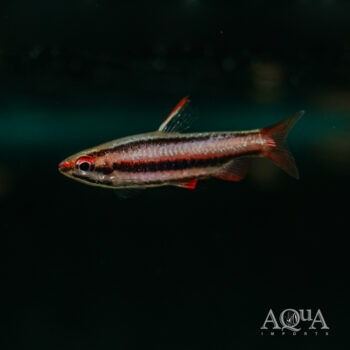
One of the most strikingly beautiful species of pencilfish, the Coral Red Pencil (Nannostomus mortenthaleri) originates from the soft, acidic waters of the upper Rio Nanay in the Peruvian Amazon. A schooling fish, they are best kept in groups of 5 or more as they will display the best color in the presence of a group. In the aquarium, they make stunning display fish, and are both hardy and active. Feeding a diet high in red color enhancers (like astaxanthin or other carotenoids) will help ensure they maintain their brightest colors.
-
$34.99
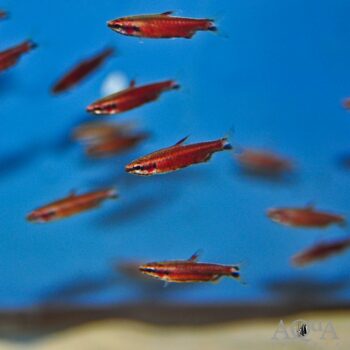
The Really Red Pencilfish or Rio Amaya Pencilfish is theorized to be either a newly discovered species or possibly an aberrant variant of the Purple Pencilfish (Nannostomus rubrocaudatus). Originating from the soft, acidic waters of the Rio Amaya, a tributary of the Rio Marona in the Maranon River drainage these schooling fish, are best kept in groups of 5 or more as they will display the best color in the presence of a group. In the aquarium, they make stunning display fish, and are both hardy and active. Feeding a diet high in red color enhancers (like astaxanthin or other carotenoids) will help ensure they maintain their brightest colors.
-
$29.99
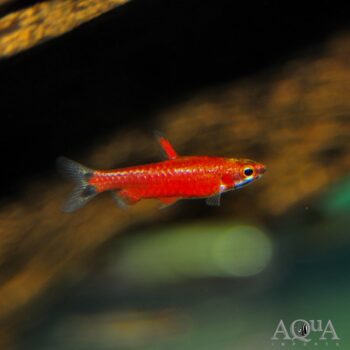
The Cenepa Red Pencilfish or Super Red Cenepa Pencilfish is theorized to be either a newly discovered species or possibly an aberrant variant of the Purple Pencilfish (Nannostomus rubrocaudatus). The Cenepa Red Pencilfish originates from the soft, acidic waters of the Rio Cenepa, a tributary of the Peruvian Amazon. A schooling fish, they are best kept in groups of 5 or more as they will display the best color in the presence of a group. In the aquarium, they make stunning display fish, and are both hardy and active. Feeding a diet high in red color enhancers (like astaxanthin or other carotenoids) will help ensure they maintain their brightest colors.
End of content
End of content