Showing all 7 resultsSorted by latest
-
$74.99 – $99.99Price range: $74.99 through $99.99
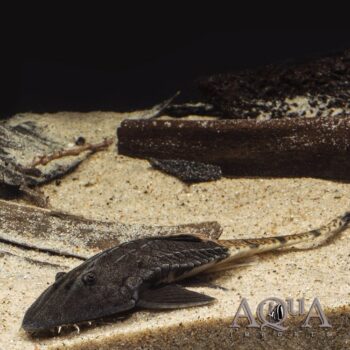
This rare, large-growing Loricariid originates from the Caqueta basin in Colombia and its trubtaries in Northern Ecuador, although a similar looking species is imported from Peru and often misidentified as P. apithanos. The Chameleon Loricaria is typically found in shallow, fast-moving stretches of river, often in groups. In the aquarium, they prefer moderate to high water movement and large open areas of sand substrate. In the wild, they graze on biofilm, algae, small crustaceans and insect larvae and should be fed a varied diet with plenty of proteins such as Repashy Bottom Scratcher or Igapo Explorer gel diet or Fluval Bug Bites pleco formula. They can be territorial with each other so provide plenty of space for each individual fish.
-
Sale!
$34.99 Original price was: $34.99.$29.99Current price is: $29.99.
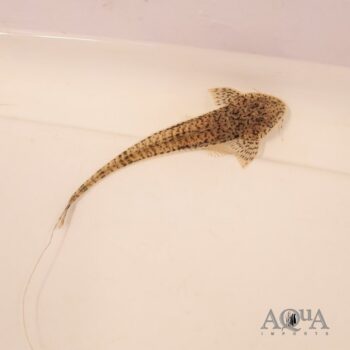
An unusual species of Loricaria to find in the hobby, Pseudohemiodon unillano originates from the Rio Orinoco tributaries and the Rio Meta in particular. They are typically found in shallow, fast-moving stretches of river. In the aquarium, they prefer moderate to high water movement and large open areas of sand substrate. In the wild, they graze on biofilm, algae, small crustaceans and insect larvae and should be fed a varied diet with plenty of proteins.
-
$49.99
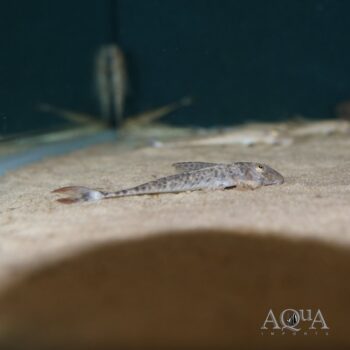
Harttia punctata is a rarely imported catfish from the mid to upper Tocantins River basin. They prefer well oxygenated water with strong current. In the wild they feed mostly on biofilms and diatom algae and will accept most algae based pellets and wafers in the aquarium.
-
$159.99
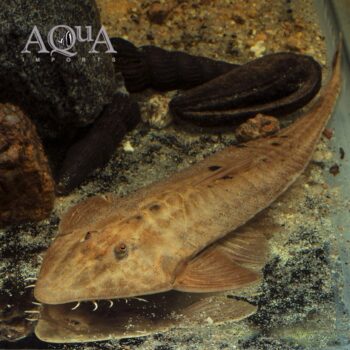
The exceedingly rare red color morph of Chameleon Loricaria is found alongside the more commonly seen black and white form, but very few make their way into the trade. The Chameleon Loricaria is typically found in shallow, fast-moving stretches of river. In the aquarium, they prefer moderate to high water movement and large open areas of sand substrate. As their name suggests, these fish are capable of changing color, but the red morph seems to lack a pattern altogether and ranges from pale reddish white to a deep brick red.
-
$59.99 – $74.99Price range: $59.99 through $74.99
This rare, large-growing Loricariid originates from the Caqueta basin in Colombia and its trubtaries in Northern Ecuador, although a similar looking species is imported from Peru and often misidentified as P. apithanos. The Chameleon Loricaria is typically found in shallow, fast-moving stretches of river, often in groups. In the aquarium, they prefer moderate to high water movement and large open areas of sand substrate. In the wild, they graze on biofilm, algae, small crustaceans and insect larvae and should be fed a varied diet with plenty of proteins such as Repashy Bottom Scratcher or Igapo Explorer gel diet or Fluval Bug Bites pleco formula. They can be territorial with each other so provide plenty of space for each individual fish.
-
$109.99 – $149.99Price range: $109.99 through $149.99
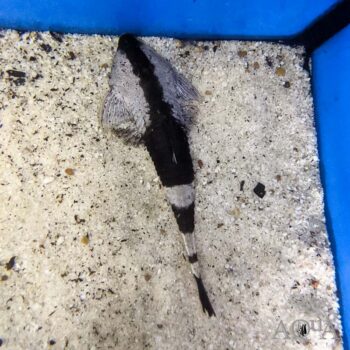
The ”False” Chameleon Loricaria originates from the upper Rio Nanay in Peru and is closely related to the similar looking Pseudohemiodon apithanos, which is found in the Caqueta basin in Colombia and Ecuador. This still undescribed species tends to be more reddish brown and their stress pattern typically includes a distinct black dorsal stripe. Like their close relatives, the False Chameleon Loricaria is typically found in shallow, sandy stretches of river with moderate to strong current, often in groups. In the aquarium, they prefer moderate to high water movement and large open areas of sand substrate. In the wild, they graze on biofilm, algae, small crustaceans and insect larvae and should be fed a varied diet with plenty of proteins such as Repashy Bottom Scratcher or Igapo Explorer gel diet or Fluval Bug Bites pleco formula. They can be territorial with each other so provide plenty of space for each individual fish.
-
$199.99
The exceedingly rare red color morph of Chameleon Loricaria is found alongside the more commonly seen black and white form, but very few make their way into the trade. The Chameleon Loricaria is typically found in shallow, fast-moving stretches of river. In the aquarium, they prefer moderate to high water movement and large open areas of sand substrate. As their name suggests, these fish are capable of changing color, but the red morph seems to lack a pattern altogether and ranges from pale reddish white to a deep brick red.
End of content
End of content