Showing all 21 resultsSorted by latest
-

$89.99 – $109.99Price range: $89.99 through $109.99
The Four Eyed Fish or Anableps is an extremely unusual brackish water fish found along the coastline of Northeastern South America. Their name comes from the fact that these fish have specially adapted eyes with a membrane that effectively splits each eye into two parts, allowing them to simultaneously see above and below the waters surface. Due to this unique feature, Four Eyed fish are typically found floating at the surface, seeking out insects and other food items which might fall toward the water. Like many brackish water fish they regularly move between pure fresh and pure marine waters but will do best in moderate-strength brackish water (15 to 20 ppt) in the aquarium. A social species, they are usually found in groups in the wild and will do well when kept together in the aquarium. This specialized fish was once a somewhat common import but has been absent in the hobby for years; only recently has this species become available again in the trade by way of Brazil.
-
Sale!
$44.99 – $69.99Price range: $44.99 through $69.99
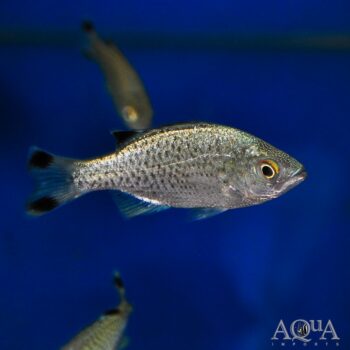
A rarity in the aquarium hobby, the Jungle Perch or Spotted Flagtail is widely distributed species throughout the Indo-Pacific and Northern Australia, where they are typically found in freshwater or lightly brackish water coastal streams. Although this species spawns in the ocean and larvae develop there, juvenile to adult fish tend to be found in freshwater streams or pools, often in areas of strong current where they are typically found in large groups. An omnivore, the Jungle Perch feeds on smaller fish, invertebrates, and fruit and plant matter in the wild and will accept most prepared and frozen foods in the aquarium. With their vivid spotted pattern and active nature, this fish makes a unique addition to a larger predatory fish community aquarium.
-
$16.99
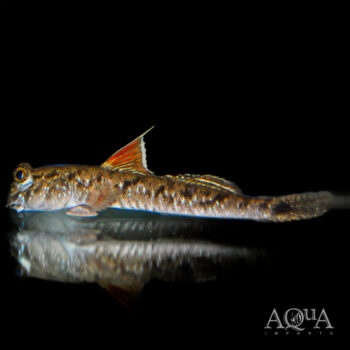
The Indian Dwarf Mudskipper is a fascinating member of the family Gobiidae which like all mudskippers are specially adapted for life outside of the water. Found throughout coastal India and Bangladesh, this species inhabits mangrove swamps and tidal mud flats, often in large groups with a defined social hierarchy. In the wild, they are adept predators that use their modified pectoral fins to hop across land and climb trees to catch insects and small crustaceans but in the aquarium will accept most frozen and freeze dried foods. An ideal aquarium setup for this species would include relatively shallow water with plenty of driftwood or other structure emerging above the waters surface giving them space to climb and form territories. The Indian Dwarf Mudskipper is a primarily coastal species which will do best in moderate to strong brackish water (salinity of 10-20ppt) and should be kept in groups.
-
$39.99
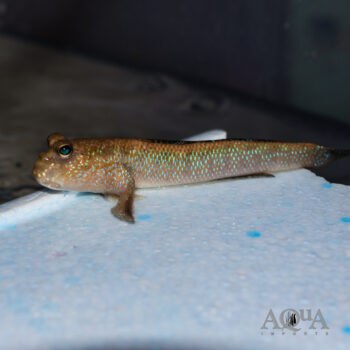
The Blue Mudskipper (Periophthalmodon septemradiatus) is a fascinating member of the family Gobiidae which like all mudskippers are specially adapted for life outside of the water. Found throughout the coastal Indo-Pacific, this species inhabits tidal mud flats, often in large groups with a defined social hierarchy. In the wild, they are adept predators that use their modified pectoral fins to hop across land and climb trees to catch insects and small crustaceans but in the aquarium will accept most frozen and freeze dried foods. An ideal aquarium setup for this species would include relatively shallow water with plenty of driftwood or other structure emerging above the waters surface giving them space to climb and form territories. Being a primarily coastal species, they will do best in moderate to strong brackish water (salinity of 10-20ppt) and should be kept in groups.
-
$99.99 – $199.99Price range: $99.99 through $199.99
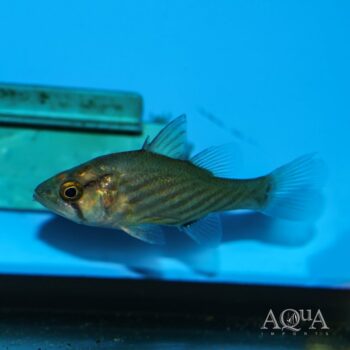
A unique species of the primarily marine Cardinalfishes (Apogonidae), the Wichmann’s Cardinalfish or Mouth Almighty Fish is native to the fresh waters of New Guinea. It is found primarily in freshwater lakes and slow moving tributaries with heavy aquatic vegetation or other cover waiting to ambush prey. In the aquarium, they are relatively hardy but may take some time to wean off live feeders.
-
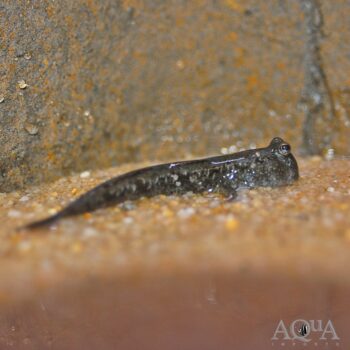
$24.99
Product description coming soon.
-
$24.99
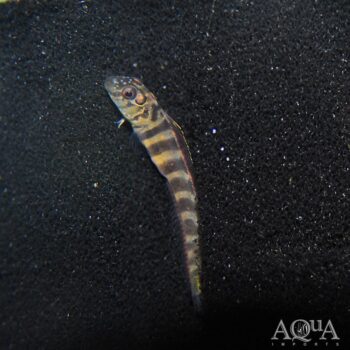
Originating from the coastal waters of Western India and Bangladesh, the Horned Blenny is one of a very few species of Blenny that inhabits fresh and brackish waters in the wild. A medium sized, active fish with an attractive, variable pattern of stripes and a notable ear shape marking, this fish inhabits a wide variety of estuarine and mangrove swamp habitat, but are more often found in fresh or slightly brackish water than full marine conditions. In the aquarium, they adapt to a variety of conditions but will do best in at least moderate strength brackish water (10-20ppt salinity). They can be hard on similar-sized tankmates and tend to spar with each other over territory, so be sure to provide plenty of cover and hiding places. They are best kept with larger fast swimming fish.
-
$44.99 – $49.99Price range: $44.99 through $49.99
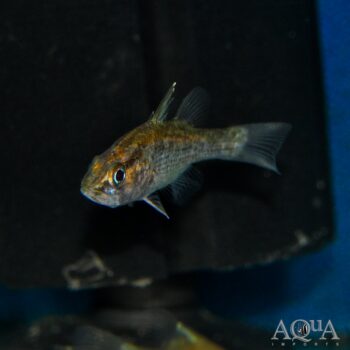
A unique species of the primarily marine Cardinalfishes (Apogonidae), the Papuan Freshwater Cardinalfish or Mouth Almighty Fish is native to the coastal waters of New Guinea and Northeastern Australia. It is found primarily in freshwater lakes and swamps with in areas with heavy aquatic vegetation or other cover waiting to ambush prey. In the aquarium, they are relatively hardy but may take some time to wean off live feeders.
-
$24.99
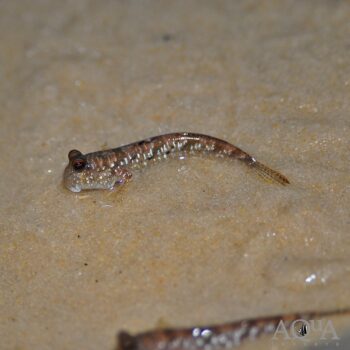
The Silver Banded Dwarf Mudskipper is a fascinating member of the family Gobiidae which like all mudskippers are specially adapted for life outside of the water. Found throughout coastal areas across the Indian Ocean, this species inhabits mangrove swamps and tidal mud flats, often in large groups with a defined social hierarchy. In the wild, they are adept predators that use their modified pectoral fins to hop across land and climb trees to catch insects and small crustaceans but in the aquarium will accept most frozen and freeze dried foods. An ideal aquarium setup for this species would include relatively shallow water with plenty of driftwood or other structure emerging above the waters surface giving them space to climb and form territories. The Silver Banded Dwarf Mudskipper is a primarily coastal species which will do best in moderate to strong brackish water (salinity of 10-20ppt) and should be kept in groups.
-
$74.99
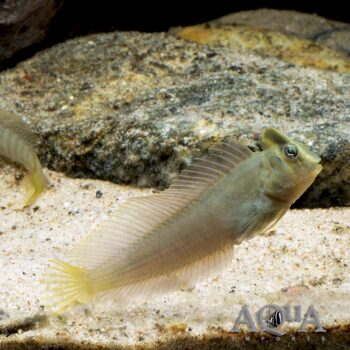
Originating from the coastal waters of Taiwan and Southern China, the Tophat Blenny is one of a very few species of Blenny that inhabits both fresh and brackish waters in the wild. A medium sized, curious fish with a unique namesake crest and a striped facial pattern, this fish inhabits a wide variety of estuarine and mangrove swamp habitat but are more often found in fresh or slightly brackish water than full marine conditions. In the aquarium, they adapt to a variety of conditions but will do best in at least low to moderate strength brackish water (5 – 15ppt salinity). They are peaceful towards most similar-sized tankmates but tend to spar with each other over territory, so be sure to provide plenty of cover and hiding places. This species is sexually dimorphic, with males typically exhibiting a larger crest and females generally being smaller and more colorful.
-
$29.99
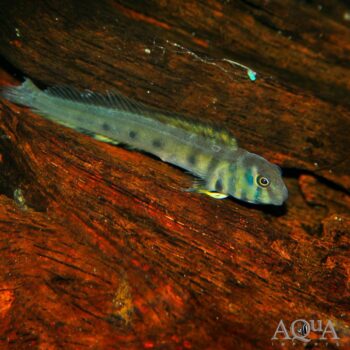
Originating from the coastal waters of Western India and Bangladesh, the Indian Zebra Blenny is one of a very few species of Blenny that inhabits fresh and brackish waters in the wild. A medium sized, active fish with an attractive, variable pattern of stripes and spots this fish inhabits a wide variety of estuarine and mangrove swamp habitat, but are more often found in fresh or slightly brackish water than full marine conditions. In the aquarium, they adapt to a variety of conditions but will do best in at least moderate strength brackish water (10-20ppt salinity). They are peaceful towards most similar-sized tankmates but tend to spar with each other over territory, so be sure to provide plenty of cover and hiding places.
-
$29.99 – $44.99Price range: $29.99 through $44.99
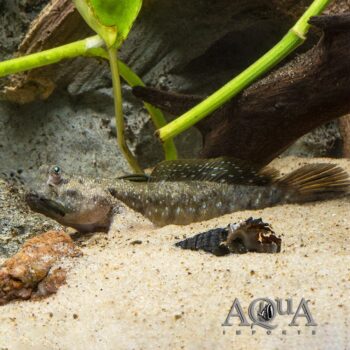
The Blue Dragon Mudskipper is a fascinating member of the family Gobiidae which, like all mudskippers, are specially adapted to spend time outside of the water. Found in coastal areas from India to Indonesia, this species inhabits mangrove swamps and tidal mud flats, often in large groups with a defined social hierarchy. In the wild, this unique species actually feeds largely on algal turf and associated small invertebrates, sifting mud through their large mouths to sort out food particles. In the aquarium, they will typically accept a combination of algae-based diets (like Repashy gels) and frozen spirulina brine shrimp and bloodoworms. The Blue Dragon Mudskipper tends to spend more time underwater than most related species and tends to inhabit more lightly brackish areas and occasionally pure freshwater. They will do best with the addition of some marine salt (5-10ppt).
-
$24.99 – $49.99Price range: $24.99 through $49.99
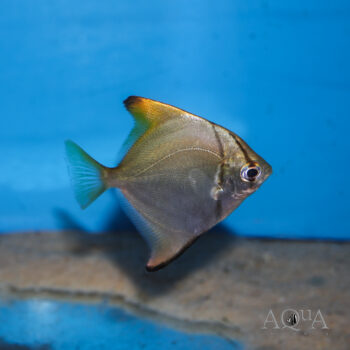
A popular brackish water aquarium fish, the Mono argenteus or Moony is an extremely widespread fish found throughout the Indo-Pacific region and Africa. This species is amphidromous, which means they regularly move between freshwater in marine habitats. Although they are sometimes marketed as a freshwater fish (and can be kept as such as juveniles), Monos will do best in brackish or marine aquariums. Although juvenile Monos can tolerate pure freshwater for a while, they will need to be transferred to a brackish or full marine aquarium later in life. A social fish often found in large aggregations, they do well in groups of 5 or more.
-

$19.99 – $24.99Price range: $19.99 through $24.99
A popular brackish water aquarium fish, the Scat occurs in three distinct color forms (green, silver, and red) which were once thought to be different species but are now all considered to be variants of the extremely widespread S. argus. Found along nearly every coastline of the Indo-Pacific region, scats are amphidromous, which means they regularly move between freshwater in marine habitats. Although they are sometimes marketed as a freshwater fish (and can be kept as such as juveniles), scats will do best in brackish or marine aquariums. The green scat is a t common color variant of S. argus, and is typically found in estuaries and mangrove forests. Although juvenile scats can tolerate pure freshwater for a while, they will need to be transferred to a brackish or full marine aquarium later in life. A social fish often found in large aggregations, they do well in groups of 5 or more.
-
$19.99
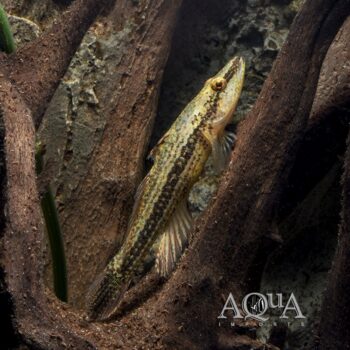
An unusual Sleeper Goby that is found along nearly every coastline of the Indo-Pacific region, the Crazy Fish or Upside Down Sleeper Goby is amphidromous, which means they regularly move between freshwater in marine habitats. Their name reflects their habit of swimming upside down or at an angle, normal behavior for this species. Although they are sometimes marketed as a freshwater fish (and can be kept as such as juveniles), they will do best in light to moderate strength brackish water. Typically found in estuaries and mangrove forests, these fish are active and fast-moving predators that feed on small fish and invertebrates in the wild but are peaceful toward any tankmates too large to be eaten.
-
$16.99
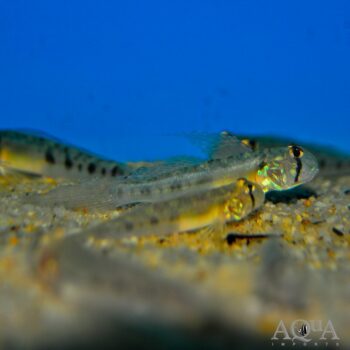
The Sharptail goby is found in fresh, brackish, and marine waters throughout much of the Indo-Pacific but is rarely seen in the hobby. A medium sized, active fish with attractive markings and elaborate fins, this fish inhabits a wide variety of estuarine and mangrove swamp habitat, but are more often found in fresh or slightly brackish water than full marine conditions. In the aquarium, they adapt to a variety of conditions but if kept in full fresh will do best in moderately hard water. They are peaceful towards most similar-sized tankmates and with each other, although adult males may spar over territory. Our Sharptail Gobies are kept in full freshwater with the addition of a small amount of aquarium salt.
-
$11.99
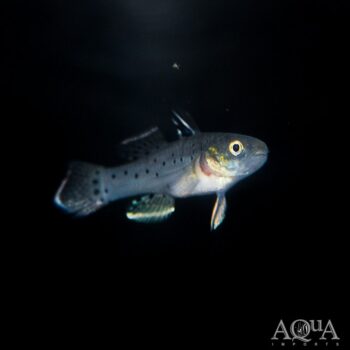
The Knight or Fan Goby is an interestingly marked, medium sized goby typically found in fresh to brackish waters throughout much of the Indo-Pacific. In the wild, they inhabit a variety of estuarine and mangrove swamp habitat, but are more often found in fresh or slightly brackish water than full marine conditions. In the aquarium, they adapt to a variety of conditions but if kept in full fresh will do best in moderately hard water. A moderately aggressive fish, dominant fish will bully other Knight Gobies unless kept in a larger group with plenty of hiding places. Knight gobies are remarkably hardy and make a unique addition to most freshwater or brackish water aquariums with similarly sized or larger tankmates.
-

$24.99 – $29.99Price range: $24.99 through $29.99
A popular brackish water aquarium fish, the Scat occurs in three distinct color forms (green, silver, and red) which were once thought to be different species but are now all considered to be variants of the extremely widespread S. argus. Found along nearly every coastline of the Indo-Pacific region, scats are amphidromous, which means they regularly move between freshwater in marine habitats. Although they are sometimes marketed as a freshwater fish (and can be kept as such as juveniles), scats will do best in brackish or marine aquariums. The ruby scat is the least common color variant of S. argus, and is typically found in estuaries and mangrove forests. Although juvenile scats can tolerate pure freshwater for a while, they will need to be transferred to a brackish or full marine aquarium later in life. A social fish often found in large aggregations, they do well in groups of 5 or more.
-
$14.99
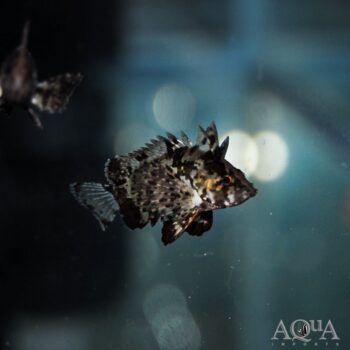
A fascinating dwarf waspfish found in slightly brackish to marine waters in the Indo-Pacific, the Leaf Goblinfish (also known as Indian Butterfly Goby) only grows to an adult size of about 4″. In the wild, they are a cryptic species typically found in shallow water among vegetation or other cover. They are an ambush predator, waiting for insect larvae, small crustaceans, and tiny fish. In the aquarium, they can be challenging to wean off live foods at first but will usually accept frozen foods like brine, mysis, and bloodworms over time. An adaptable fish usually found in intertidal zones, they can handle a wide range of salinity up to full strength marine but will do well at the lower range of brackish water salinities as well.
-
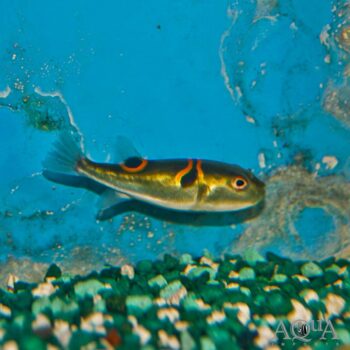
$29.99 – $49.99Price range: $29.99 through $49.99
A colorful and distinctive member of the open water dwelling Takifugu puffers, the Orange Saddle or Orange Spot Fugu Puffer is found in coastal waters around China and Northern Vietnam, where it inhabits pure freshwater areas, brackish estuaries, and full strength marine waters. Generally, juvenile fish tend to be found in more freshwater habitat but the species does appear to move in and out of different salinities with ease. A fast moving and extremely active fish, they should be provided with plenty of open space in the aquarium and do best with the addition of some salt. A predator in nature, they should be given a varied diet including hard-shelled items like snails, clams, or whole shrimp to wear down their sharp beaks. As with many puffer species, they can be aggressive towards tankmates so larger, fast-moving fish are the safest option but even then should be added with caution.
-
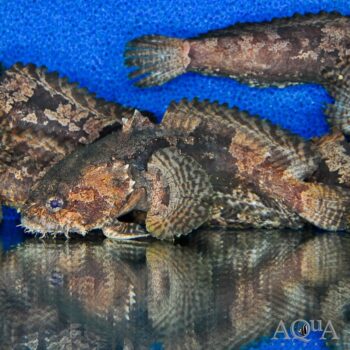
$34.99 – $44.99Price range: $34.99 through $44.99
A unique predatory species, the freshwater “lionfish” is actually a species of toadfish found in marine and brackish waters throughout coastal Southeast Asia. A well-camouflaged ambush predator, they lie in wait for unsuspecting smaller fish and can take down fish nearly their own size with their surprisingly large mouths. In the aquarium, they are best kept in at least lightly brackish conditions and certainly benefit from the addition of at least some salt for long term success.
End of content
End of content