Showing 1–25 of 27 resultsSorted by latest
-
Sale!
$199.99 Original price was: $199.99.$174.99Current price is: $174.99.
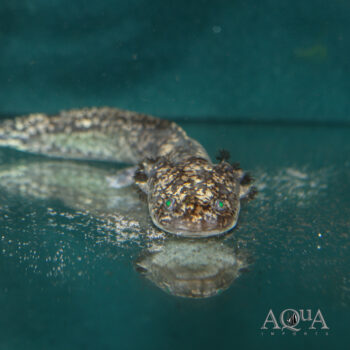
The Axolotl is a fascinating and unusual aquatic amphibian originating from the waterways surrounding Mexico City, where it is now considered an endangered species due to habitat loss and degradation. It is a close relative of the widespread Tiger Salamander found throughout much of the US but instead of emerging from water to live its adult form on land, the Axolotl remains in its juvenile aquatic form for its entire life, an evolutionary strategy known as neoteny. Due to their unique appearance and ease of care, Axolotls are popular aquatic pets and have been captive bred for the hobby for decades. In the aquarium, they will do best in relatively cool, well-oxygenated water and ideally should be kept individually, as they have the tendency to nip at the limbs and gills of other Axolotls or any tankmates. Hardy and undemanding, they should be provided a varied protein-based diet and either kept on a fine sand substrate or none at all, as they can ingest gravel or rocks accidentally.
-
$149.99
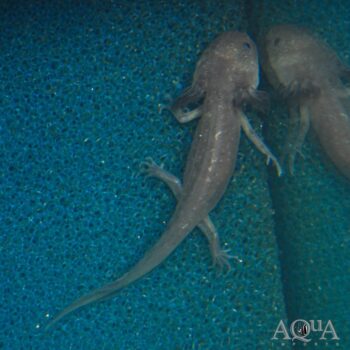
The Axolotl is a fascinating and unusual aquatic amphibian originating from the waterways surrounding Mexico City, where it is now considered an endangered species due to habitat loss and degradation. It is a close relative of the widespread Tiger Salamander found throughout much of the US but instead of emerging from water to live its adult form on land, the Axolotl remains in its juvenile aquatic form for its entire life, an evolutionary strategy known as neoteny. Due to their unique appearance and ease of care, Axolotls are popular aquatic pets and have been captive bred for the hobby for decades. In the aquarium, they will do best in relatively cool, well-oxygenated water and ideally should be kept individually, as they have the tendency to nip at the limbs and gills of other Axolotls or any tankmates. Hardy and undemanding, they should be provided a varied protein-based diet and either kept on a fine sand substrate or none at all, as they can ingest gravel or rocks accidentally.
-
$129.99
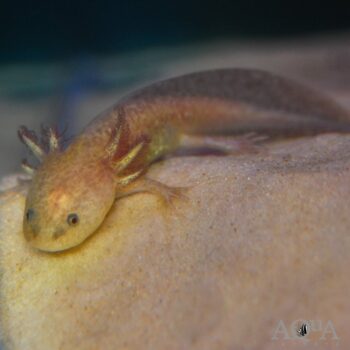
The Axolotl is a fascinating and unusual aquatic amphibian originating from the waterways surrounding Mexico City, where it is now considered an endangered species due to habitat loss and degradation. It is a close relative of the widespread Tiger Salamander found throughout much of the US but instead of emerging from water to live its adult form on land, the Axolotl remains in its juvenile aquatic form for its entire life, an evolutionary strategy known as neoteny. Due to their unique appearance and ease of care, Axolotls are popular aquatic pets and have been captive bred for the hobby for decades. In the aquarium, they will do best in relatively cool, well-oxygenated water and ideally should be kept individually, as they have the tendency to nip at the limbs and gills of other Axolotls or any tankmates. Hardy and undemanding, they should be provided a varied protein-based diet and either kept on a fine sand substrate or none at all, as they can ingest gravel or rocks accidentally.
-
$149.99
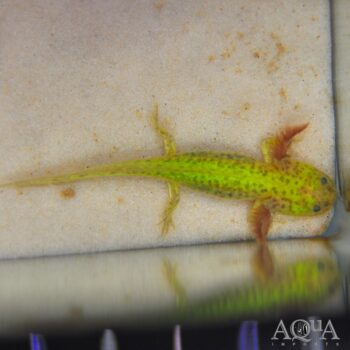
The Axolotl is a fascinating and unusual aquatic amphibian originating from the waterways surrounding Mexico City, where it is now considered an endangered species due to habitat loss and degradation. It is a close relative of the widespread Tiger Salamander found throughout much of the US but instead of emerging from water to live its adult form on land, the Axolotl remains in its juvenile aquatic form for its entire life, an evolutionary strategy known as neoteny. Due to their unique appearance and ease of care, Axolotls are popular aquatic pets and have been captive bred for the hobby for decades. In the aquarium, they will do best in relatively cool, well-oxygenated water and ideally should be kept individually, as they have the tendency to nip at the limbs and gills of other Axolotls or any tankmates. Hardy and undemanding, they should be provided a varied protein-based diet and either kept on a fine sand substrate or none at all, as they can ingest gravel or rocks accidentally.
-
$74.99
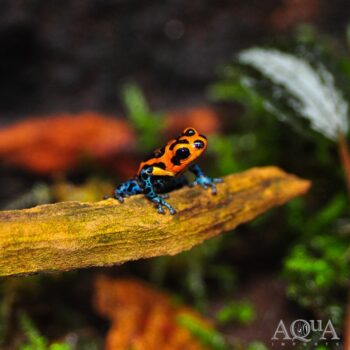
Ranitomeya imitator, commonly called the Mimic Poison Dart Frog is a great beginner thumbnail species. Being arboreal, they will take advantage of the upper levels in taller habitats and do well in groups given enough room.
-
$149.99
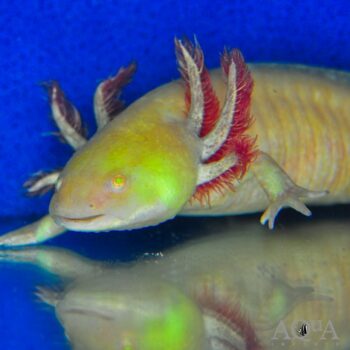
The Axolotl is a fascinating and unusual aquatic amphibian originating from the waterways surrounding Mexico City, where it is now considered an endangered species due to habitat loss and degradation. It is a close relative of the widespread Tiger Salamander found throughout much of the US but instead of emerging from water to live its adult form on land, the Axolotl remains in its juvenile aquatic form for its entire life, an evolutionary strategy known as neoteny. Due to their unique appearance and ease of care, Axolotls are popular aquatic pets and have been captive bred for the hobby for decades. In the aquarium, they will do best in relatively cool, well-oxygenated water and ideally should be kept individually, as they have the tendency to nip at the limbs and gills of other Axolotls or any tankmates. Hardy and undemanding, they should be provided a varied protein-based diet and either kept on a fine sand substrate or none at all, as they can ingest gravel or rocks accidentally.
-
$79.99
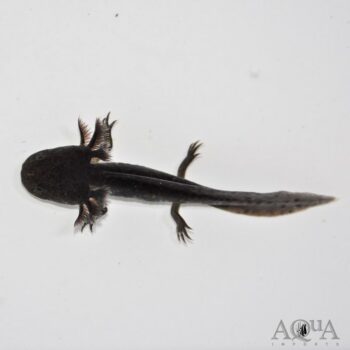
The Axolotl is a fascinating and unusual aquatic amphibian originating from the waterways surrounding Mexico City, where it is now considered an endangered species due to habitat loss and degradation. It is a close relative of the widespread Tiger Salamander found throughout much of the US but instead of emerging from water to live its adult form on land, the Axolotl remains in its juvenile aquatic form for its entire life, an evolutionary strategy known as neoteny. Due to their unique appearance and ease of care, Axolotls are popular aquatic pets and have been captive bred for the hobby for decades. In the aquarium, they will do best in relatively cool, well-oxygenated water and ideally should be kept individually, as they have the tendency to nip at the limbs and gills of other Axolotls or any tankmates. Hardy and undemanding, they should be provided a varied protein-based diet and either kept on a fine sand substrate or none at all, as they can ingest gravel or rocks accidentally.
-
$169.99
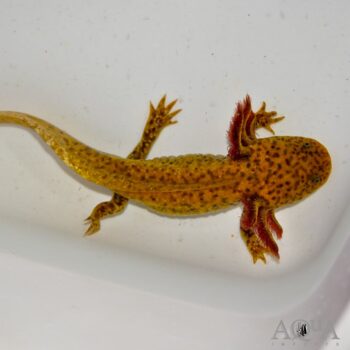
The Axolotl is a fascinating and unusual aquatic amphibian originating from the waterways surrounding Mexico City, where it is now considered an endangered species due to habitat loss and degradation. It is a close relative of the widespread Tiger Salamander found throughout much of the US but instead of emerging from water to live its adult form on land, the Axolotl remains in its juvenile aquatic form for its entire life, an evolutionary strategy known as neoteny. Due to their unique appearance and ease of care, Axolotls are popular aquatic pets and have been captive bred for the hobby for decades. In the aquarium, they will do best in relatively cool, well-oxygenated water and ideally should be kept individually, as they have the tendency to nip at the limbs and gills of other Axolotls or any tankmates. Hardy and undemanding, they should be provided a varied protein-based diet and either kept on a fine sand substrate or none at all, as they can ingest gravel or rocks accidentally.
-
$64.99 – $129.99Price range: $64.99 through $129.99
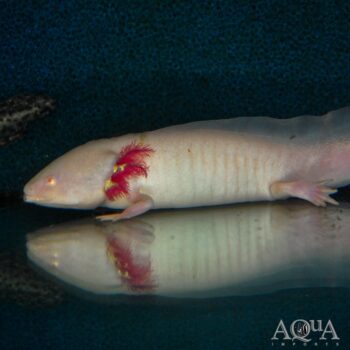
The Axolotl is a fascinating and unusual aquatic amphibian originating from the waterways surrounding Mexico City, where it is now considered an endangered species due to habitat loss and degradation. It is a close relative of the widespread Tiger Salamander found throughout much of the US but instead of emerging from water to live its adult form on land, the Axolotl remains in its juvenile aquatic form for its entire life, an evolutionary strategy known as neoteny. Due to their unique appearance and ease of care, Axolotls are popular aquatic pets and have been captive bred for the hobby for decades. In the aquarium, they will do best in relatively cool, well-oxygenated water and ideally should be kept individually, as they have the tendency to nip at the limbs and gills of other Axolotls or any tankmates. Hardy and undemanding, they should be provided a varied protein-based diet and either kept on a fine sand substrate or none at all, as they can ingest gravel or rocks accidentally.
-
$79.99 – $199.99Price range: $79.99 through $199.99
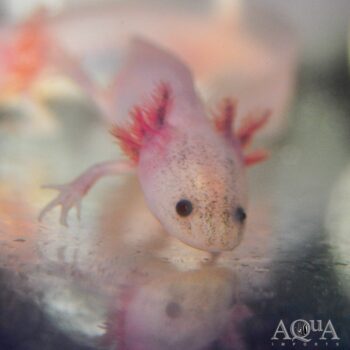
The Axolotl is a fascinating and unusual aquatic amphibian originating from the waterways surrounding Mexico City, where it is now considered an endangered species due to habitat loss and degradation. It is a close relative of the widespread Tiger Salamander found throughout much of the US but instead of emerging from water to live its adult form on land, the Axolotl remains in its juvenile aquatic form for its entire life, an evolutionary strategy known as neoteny. Due to their unique appearance and ease of care, Axolotls are popular aquatic pets and have been captive bred for the hobby for decades. In the aquarium, they will do best in relatively cool, well-oxygenated water and ideally should be kept individually, as they have the tendency to nip at the limbs and gills of other Axolotls or any tankmates. Hardy and undemanding, they should be provided a varied protein-based diet and either kept on a fine sand substrate or none at all, as they can ingest gravel or rocks accidentally.
-
$59.99
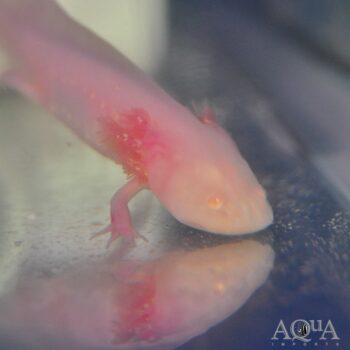
The Axolotl is a fascinating and unusual aquatic amphibian originating from the waterways surrounding Mexico City, where it is now considered an endangered species due to habitat loss and degradation. It is a close relative of the widespread Tiger Salamander found throughout much of the US but instead of emerging from water to live its adult form on land, the Axolotl remains in its juvenile aquatic form for its entire life, an evolutionary strategy known as neoteny. Due to their unique appearance and ease of care, Axolotls are popular aquatic pets and have been captive bred for the hobby for decades. In the aquarium, they will do best in relatively cool, well-oxygenated water and ideally should be kept individually, as they have the tendency to nip at the limbs and gills of other Axolotls or any tankmates. Hardy and undemanding, they should be provided a varied protein-based diet and either kept on a fine sand substrate or none at all, as they can ingest gravel or rocks accidentally.
-
$74.99 – $89.99Price range: $74.99 through $89.99
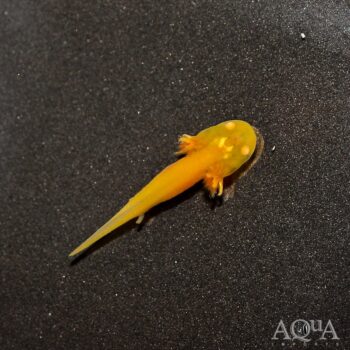
The Axolotl is a fascinating and unusual aquatic amphibian originating from the waterways surrounding Mexico City, where it is now considered an endangered species due to habitat loss and degradation. It is a close relative of the widespread Tiger Salamander found throughout much of the US but instead of emerging from water to live its adult form on land, the Axolotl remains in its juvenile aquatic form for its entire life, an evolutionary strategy known as neoteny. Due to their unique appearance and ease of care, Axolotls are popular aquatic pets and have been captive bred for the hobby for decades. In the aquarium, they will do best in relatively cool, well-oxygenated water and ideally should be kept individually, as they have the tendency to nip at the limbs and gills of other Axolotls or any tankmates. Hardy and undemanding, they should be provided a varied protein-based diet and either kept on a fine sand substrate or none at all, as they can ingest gravel or rocks accidentally.
-
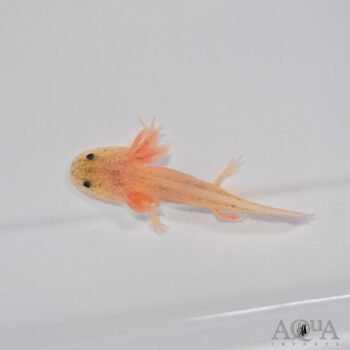
$39.99 – $119.99Price range: $39.99 through $119.99
The Axolotl is a fascinating and unusual aquatic amphibian originating from the waterways surrounding Mexico City, where it is now considered an endangered species due to habitat loss and degradation. It is a close relative of the widespread Tiger Salamander found throughout much of the US but instead of emerging from water to live its adult form on land, the Axolotl remains in its juvenile aquatic form for its entire life, an evolutionary strategy known as neoteny. Due to their unique appearance and ease of care, Axolotls are popular aquatic pets and have been captive bred for the hobby for decades. In the aquarium, they will do best in relatively cool, well-oxygenated water and ideally should be kept individually, as they have the tendency to nip at the limbs and gills of other Axolotls or any tankmates. Hardy and undemanding, they should be provided a varied protein-based diet and either kept on a fine sand substrate or none at all, as they can ingest gravel or rocks accidentally.
-
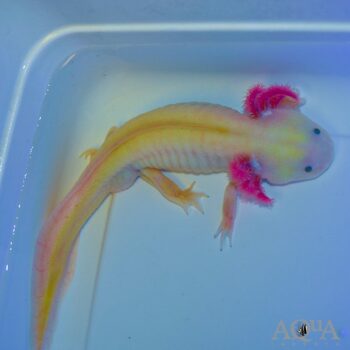
$49.99 – $169.99Price range: $49.99 through $169.99
The Axolotl is a fascinating and unusual aquatic amphibian originating from the waterways surrounding Mexico City, where it is now considered an endangered species due to habitat loss and degradation. It is a close relative of the widespread Tiger Salamander found throughout much of the US but instead of emerging from water to live its adult form on land, the Axolotl remains in its juvenile aquatic form for its entire life, an evolutionary strategy known as neoteny. Due to their unique appearance and ease of care, Axolotls are popular aquatic pets and have been captive bred for the hobby for decades. In the aquarium, they will do best in relatively cool, well-oxygenated water and ideally should be kept individually, as they have the tendency to nip at the limbs and gills of other Axolotls or any tankmates. Hardy and undemanding, they should be provided a varied protein-based diet and either kept on a fine sand substrate or none at all, as they can ingest gravel or rocks accidentally.
-
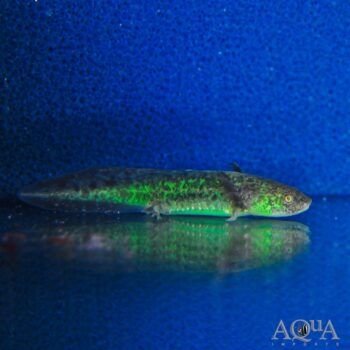
$44.99 – $59.99Price range: $44.99 through $59.99
The Axolotl is a fascinating and unusual aquatic amphibian originating from the waterways surrounding Mexico City, where it is now considered an endangered species due to habitat loss and degradation. It is a close relative of the widespread Tiger Salamander found throughout much of the US but instead of emerging from water to live its adult form on land, the Axolotl remains in its juvenile aquatic form for its entire life, an evolutionary strategy known as neoteny. Due to their unique appearance and ease of care, Axolotls are popular aquatic pets and have been captive bred for the hobby for decades. In the aquarium, they will do best in relatively cool, well-oxygenated water and ideally should be kept individually, as they have the tendency to nip at the limbs and gills of other Axolotls or any tankmates. Hardy and undemanding, they should be provided a varied protein-based diet and either kept on a fine sand substrate or none at all, as they can ingest gravel or rocks accidentally.
-
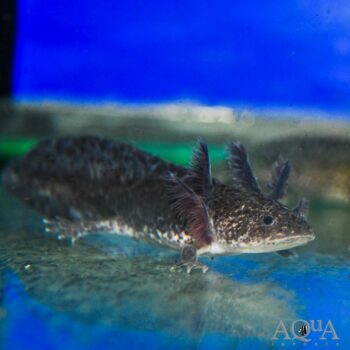
$34.99 – $129.99Price range: $34.99 through $129.99
The Axolotl is a fascinating and unusual aquatic amphibian originating from the waterways surrounding Mexico City, where it is now considered an endangered species due to habitat loss and degradation. It is a close relative of the widespread Tiger Salamander found throughout much of the US but instead of emerging from water to live its adult form on land, the Axolotl remains in its juvenile aquatic form for its entire life, an evolutionary strategy known as neoteny. Due to their unique appearance and ease of care, Axolotls are popular aquatic pets and have been captive bred for the hobby for decades. In the aquarium, they will do best in relatively cool, well-oxygenated water and ideally should be kept individually, as they have the tendency to nip at the limbs and gills of other Axolotls or any tankmates. Hardy and undemanding, they should be provided a varied protein-based diet and either kept on a fine sand substrate or none at all, as they can ingest gravel or rocks accidentally.
-
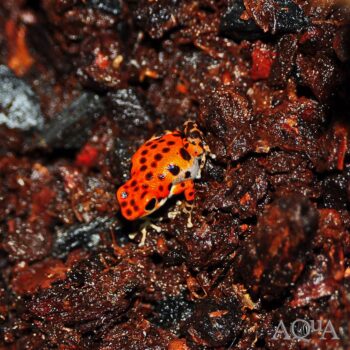
$224.99
Originally from Red Frog Beach on Isla Bastimentos in Bocas del Toro, Panama, this highly coveted dart frog is recognizable for its red coloration with black spots and white belly and feet. These “Bastimentos Red Frog Beach” dart frogs (Oophaga pumilio) are captive-bred in Colorado. They generally do best in duos or trios at sexual maturity, and are an incredible example of rare biparental care in the wild.
-
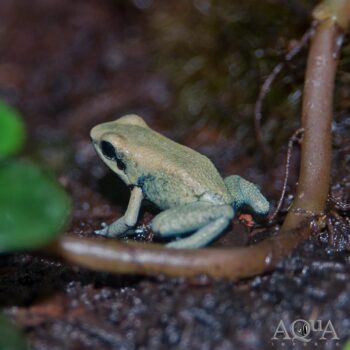
$109.99
Product description coming soon
-
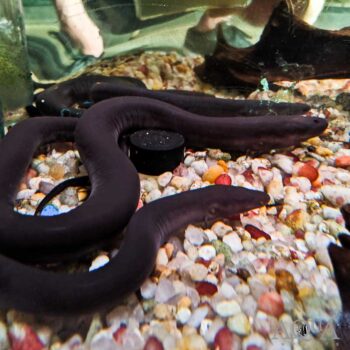
$59.99
A strange, primitive species of aquatic salamander, the Two-toed Amphiuma is found in shallow, swampy habitat throughout much of the Southeastern US. Eel-like in appearance and behavior, they have 2 tiny front limbs, no rear legs, and largely useless eyes, instead using their lateral line and sense of smell to navigate and find prey. They should be kept in a fully aquatic setup with hiding places like driftwood or caves, and like all amphibians they require excellent water quality. Tanks should be tightly covered as they can climb or jump out if allowed to.
-
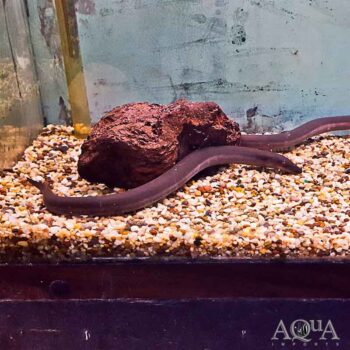
$79.99
A strange, primitive species of aquatic salamander, the Three-toed Amphiuma is found in shallow, swampy habitat throughout much of the Southeastern US. Eel-like in appearance and behavior, they have 2 tiny front limbs, no rear legs, and largely useless eyes, instead using their lateral line and sense of smell to navigate and find prey. They should be kept in a fully aquatic setup with hiding places like driftwood or caves, and like all amphibians they require excellent water quality. Tanks should be tightly covered as they can climb or jump out if allowed to.
-
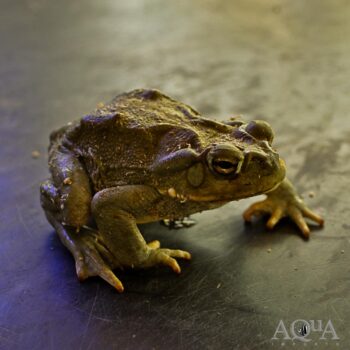
$174.99
Note: Colorado River Toads are drop-shipped directly to you from our supplier’s facility. Size ranges from 5 – 7″ adult specimens.
-
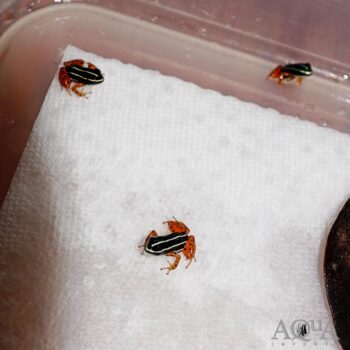
$149.99
Originating from northern Brazil, Peru, and French Guyana, Adelphobates quinquevittatus (commonly misspelled quinquevittatum) are very rare in the hobby. These froglets are from Phil Tan’s old German line. Quinqevittatus do great in groups and are not loud. They are very consistent (between individuals) white pinstripes on a jet black background on their bodies and orange/red legs.
-
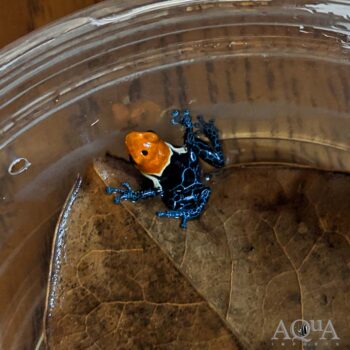
$124.99
This morph comes from lowland regions in Peru. It is a striking frog, on the large side of the thumbnail spectrum. They do great in groups and do not have a loud call. They have bright orange heads followed by a white collar around the neck, black body with bluish markings on the back and bluish-grey net patterns on their legs. The parents of these froglets were F1s directly from Understory Enterprises.
-
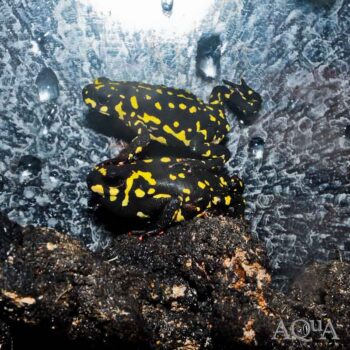
$59.99
Bumblebee Toad (Melanophryniscus stelzneri) Origin: Wild Collected Paraguay Diet: Flightless fruit flies Adult Size: Up to 1″ Recommended Enclosure Size: 12×12″ minimum base dimensions, larger for multiple frogs Temperature Range: 70-78F
-
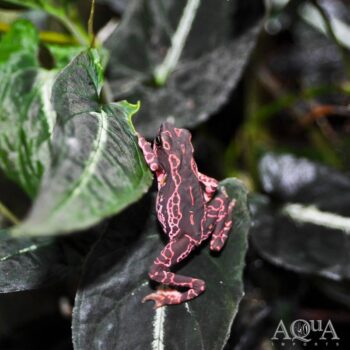
$169.99
Purple Harlequin Toad (Atelopus barbotini) Origin: Wild Collected Suriname Diet: Insect eater, pinhead crickets and flightless fruit flies Adult Size: Up to 3.5″ Recommended Enclosure Size: 18×18″ minimum base dimensions, larger for multiple frogs Temperature Range: 70-78F
End of content
End of content