Showing 76–78 of 78 resultsSorted by latest
-
$29.99
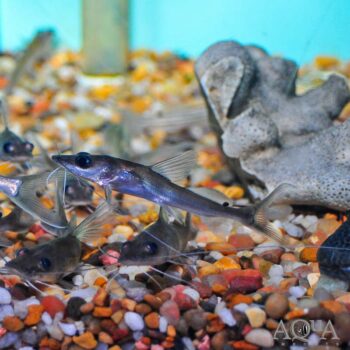
A large and rarely seen predatory catfish, the Burmese Shovelnose originates from several of the large rivers in Myanmar (Burma), where it is a prized food fish. An active, open water species, they are generally found within the main river channels in their native habitat in fast-moving, well oxygenated water. In the aquarium, similar conditions should be replicated, with regular large water changes to maintain excellent water quality. Although this species feeds largely on live fish in the wild, they will readily accept frozen and prepared foods. Due to their massive adult size, we recommend this fish only to experienced hobbyists with the means to house this large species.
-

$69.99
A remarkably patterned, large-growing predatory catfish, the Juruense or False Tigrinus is widely distributed throughout the Amazon Basin, where it is a prized food fish. Although juvenile fish tend to be a drab dark gray with some striping, as they grow this fish will develop a striking pattern of black stripes on an off white or occasionally even cream-colored background, extending to the intricately striped tail. There is an enormous amount of variability in this species so it is extremely difficult to predict how young fish will develop as they get older. Juruense Catfish tend to be found in fast-moving stretches of murky water, and they rely on their sensitive barbels much more than their limited eyesight to find prey. In the aquarium, they prefer dim lighting, ample hiding places, and pristine water quality (maintaining high levels of dissolved oxygen is especially important).
-
$39.99 – $119.99Price range: $39.99 through $119.99
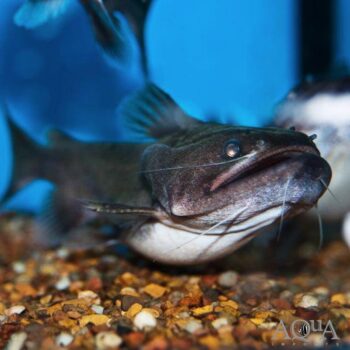
With its prehistoric appearance and exaggerated, oversized mouth, the Gulper Catfish (Asterophysus batrachus) is hard to mistake for any other species. A voracious predator, they are amazingly able to consume fish even larger than they are. In the wild, they tend to inhabit deeper stretches of blackwater rivers, and their eyesight is relatively poor – relying instead on their sensitive barbels and sense of smell to find prey. Gulpers are relatively adaptable in the aquarium, but as a scaleless fish can be somewhat sensitive to water quality. Although they can be finicky eaters at first, they will quickly learn to accept frozen, protein rich feeds and even pellets.
End of content
End of content