Gold Lyretail Killifish (Aphyosemion australe)
$16.99Gold Lyretail Killifish (Aphyosemion australe) product description coming soon.

Showing 1–25 of 87 resultsSorted by latest
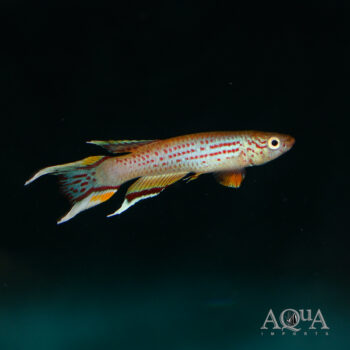
Gold Lyretail Killifish (Aphyosemion australe) product description coming soon.
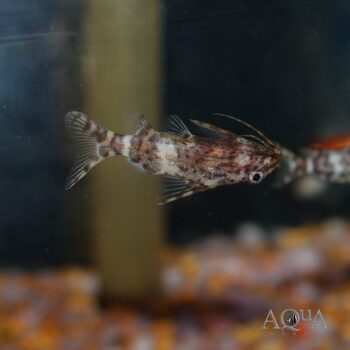
The Upside-Down Catfish (Synodontis nigriventris) is one of the most popular Synodontis cats in the hobby due to its smaller adult size and interesting behavior of swimming upside-down. They are peaceful in the aquarium and prefer to be kept in groups of at least 3 or more. They will readily accept almost any prepared foods.
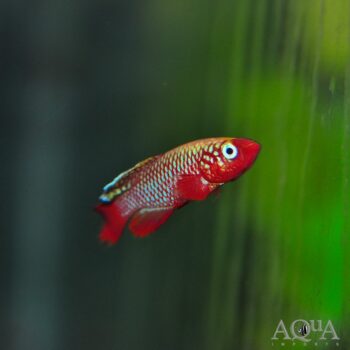
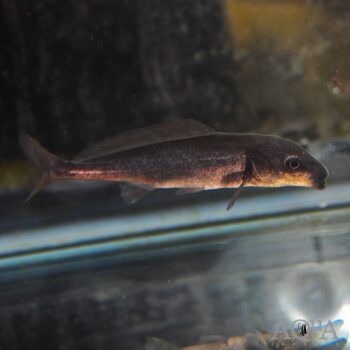
Product description coming soon.
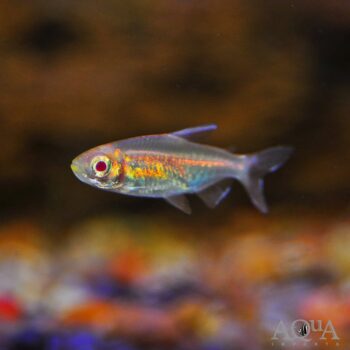
An exceptionally beautiful African tetra, the Congo Tetra (Phenacogrammus interruptus) is a relatively peaceful fish endemic to the Congo River Basin. Their rainbow iridescence and long, flowing fins make them a prized community fish among freshwater hobbyists. While not required, this tetra tends to prefer planted tanks with dimmer lighting that imitates its natural environment. The line bred Albino form is a vivid pearly white and gold while still displaying the characteristic iridescence. This species will be most comfortable and display its best coloration in schools of 5 or more, making a beautiful centerpiece group of fish for a medium to large aquarium.
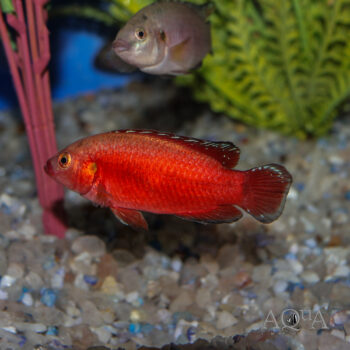
Originating from the alkaline waters of Lake Turkana in Northern Kenya, the Turkana Jewel Cichlid is one of the smaller and more docile members of its genus, making them much more suitable aquarium fish than the large growing and extremely aggressive species of their former genus, Hemichromis which are more commonly available in the hobby. With their vivid blood red coloration and and active, outgoing nature, this species makes an impressive centerpiece fish or addition to a mixed species cichlid community aquarium provided they are given ample space to maintain a territory. Although this species is peaceful for an African Cichlid, they are still territorial (especially when breeding) and tankmates should be chosen with care. The Turkana Jewel Cichlid is extremely hardy and will do well under a wide variety of conditions but they will display their best color in slightly hard, alkaline water.
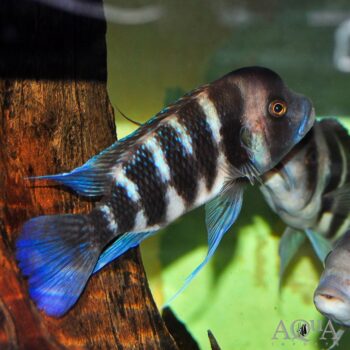
One of the most iconic and recognizable Rift Lake Cichlids, the Frontosa is a striking, large growing species originating from the waters of Lake Tanganyika. In the wild, the Frontosa is found in rocky shoreline areas in deeper waters, usually in large aggregations. A predatory fish by nature, their diet in the wild is largely composed of smaller fish and crustaceans. In the aquarium, Frontosas will display their best coloration and behavior when kept in similar conditions to where they would be found in the wild – kept in groups, fed a varied protein-rich diet, and in very alkaline water.
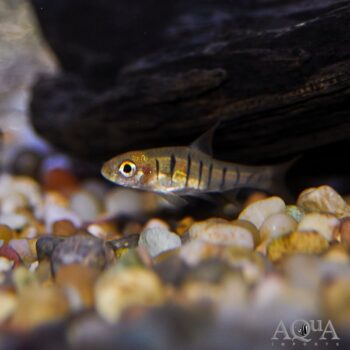
A medium sized, relatively peaceful barb found throughout much of Central and Southern Africa, the African Banded or Fire Barb is named for the distinctive bands and vivid red coloration mature males develop. A shoaling fish, they are found in medium to large aggregations in the wild and should be kept in groups of at least 5 fish in the aquarium. Hardy and active, a group makes for an impressive centerpiece for an aquascaped or planted nano aquarium.
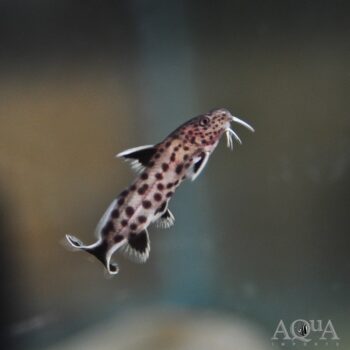
Native to Lake Tanganika in Africa, the Dwarf Synodontis Catfish (Synodontis petricola) is also known as the Dwarf Cuckoo Catfish. This small catfish species grows up to 4.5 inches and is peaceful, making it an excellent choice for a community tank with similarly sized tankmates. With a light body, dark spots, and white fin margins, this fish’s elegant appearance only adds to its desirability in the hobby.
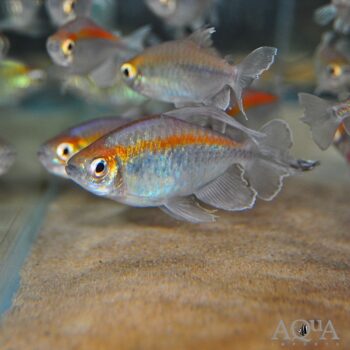
An exceptionally beautiful African tetra, the Congo Tetra (Phenacogrammus interruptus) is a relatively peaceful fish endemic to the Congo River Basin. Their rainbow iridescence and long, flowing fins make them a prized community fish among freshwater hobbyists. While not required, this tetra tends to prefer planted tanks with dimmer lighting that imitates its natural environment. The Congo Tetra will be most comfortable and display its best coloration in schools of 5 or more, making a beautiful centerpiece group of fish.
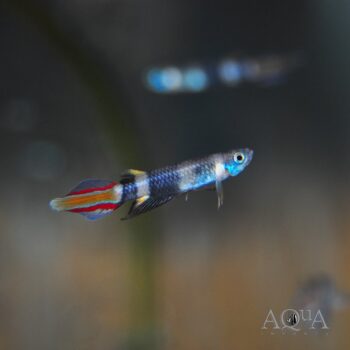
A tiny and beautifully patterned Killifish found throughout much of West Africa, the Clown Killi has been popular in the aquarium hobby for years despite being somewhat difficult to find. In the wild, these fish are found in aggregations in lowland tropical swamps and tiny streams, usually in acidic, tannin-stained waters. In the aquarium, they are relatively hardy but do best in warm, slightly soft water with ample cover in the form of plants or branching driftwood. Like most Killifish, they tend to swim close to the water’s surface and will jump if given the opportunity so a tight fitting cover is essential. A social fish, they will do best in groups of 8-10 or more, and if given ample space will form pairs and sometimes spawn.
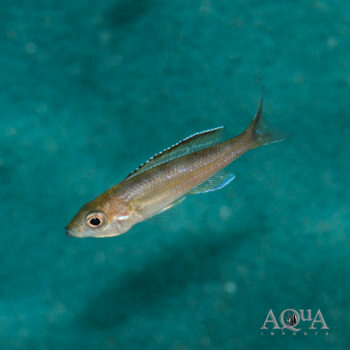
Cyprichromis leptosoma ‘Kitumba’ blue from the “jumbo” Cyprichromis group are known for their bright blue coloration as mature fish. They can act as a dither fish with other African Cichlids. They are hardy fish in the aquarium and will accept most prepared foods.
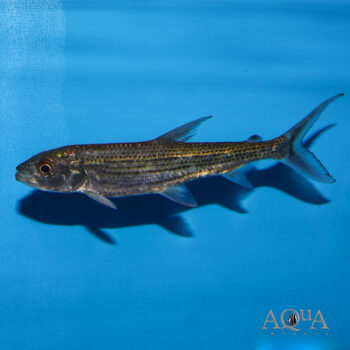
One of the largest and most fearsome predatory fish species found in Africa’s freshwater rivers and lakes, African Tigerfish are challenging fish to keep both due to their huge adult size and somewhat delicate temperament. They require clean, well-oxygenated water and will do best with moderate to high water flow. Recommended only for experienced fish keepers with the largest home aquariums.
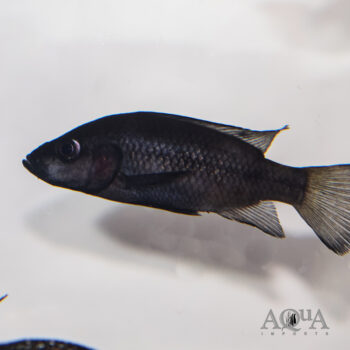
The Pindu Cichlid (Stomatepia pindu) is one of only a handful of cichlid species endemic to lake Barombi Mbo in Cameroon. These cichlids can be very territorial and will appreciate hardscape breaking up sight lines within the tank. When comfortable they will display a jet black coloration.
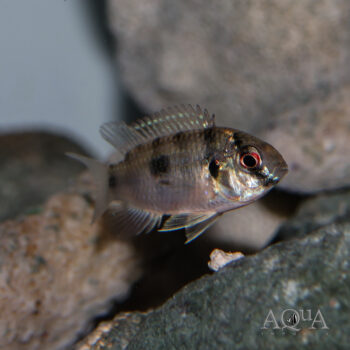
The African Butterfly Cichlid (Anomalochromis thomasi) originates from the tannin rich streams of Western Africa, Growing up to 3″, this peaceful African dwarf cichlid is hardy in the aquarium and will accept flake and pellets readily.
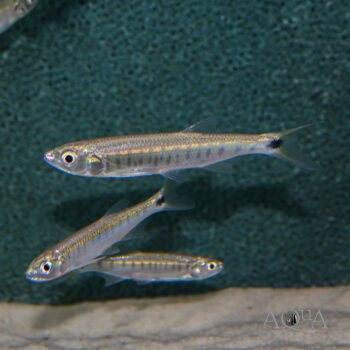
The Coppernose Barb (Raiamas christyi) is found in the fast moving waters of the Congo River system. This streamlined, fast swimming fish will appreciate a higher flow aquarium with well oxygenated water. They are hardy in captivity and will accept most frozen and pellet foods. Coppernose Barbs are best kept in a group of 3 or more.
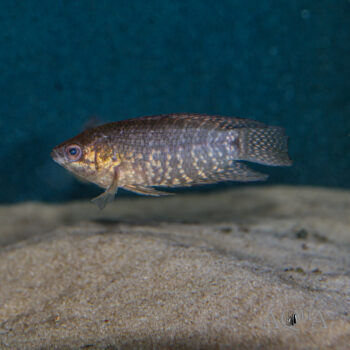
An ornately marked, small growing fish found in low flow environments within the Congo River basin, the Congo Ctenopoma (Microctenopoma congicum) is a unique, social species which spends most of its life hunting tiny invertebrates among leaf litter and aquatic vegetation. In the aquarium, the are best kept in groups with other small, peaceful fish and should be provided plenty of small protein-rich frozen foods like small bloodworms, enriched brine, or mysis. This species will appreciate plenty of cover and leaf litter with a soft sand substrate.
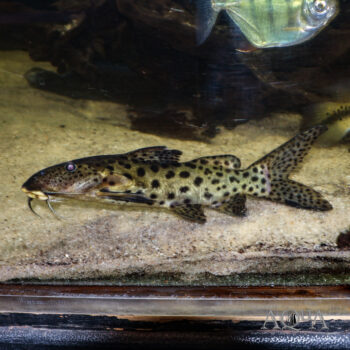
The Synodontis longirostris is the largest growing member of the genus Synodontis. Due to the heavily spotted pattern it is also known at the Eyespot Synodontis. This uncommon import is hardy and adaptable in the aquarium and is more active and less shy than many other Synodontis species. These giants will need a large tank with hiding places and plenty of open bottom for swimming space.
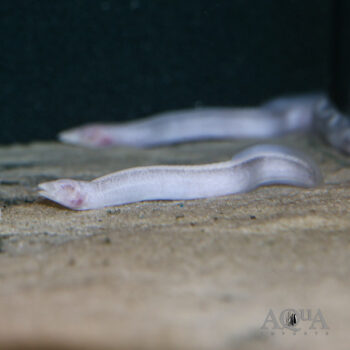
The Blind Congo Eel (Caecomastacembelus brichardi) is an unusual Spiny Eel found in the rapids of the lower Congo River. They inhabit the cracks and crevices of the large boulders that dominate the river. In captivity, they will appreciate plenty of tight hiding places and a diet of frozen foods.
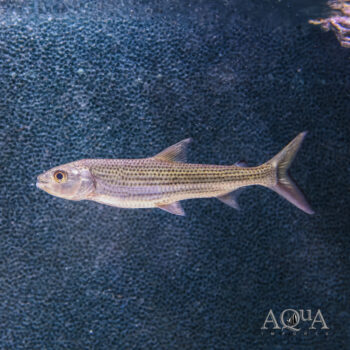
One of the largest and most fearsome predatory fish species found in Africa’s freshwater rivers and lakes, the African Tigerfish is a challenging fish to keep both due to its huge adult size and somewhat delicate temperament. They require clean, well-oxygenated water and will do best with moderate to high water flow. Recommended only for experienced fishkeepers with the largest home aquariums.
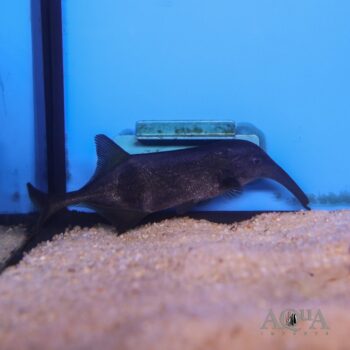
An unusual long nosed Mormyrid (a family of weakly electric fish found primarily in Africa), Campylomormyrus numenius is rarely encountered in the hobby. Found in the Pool Malebo, in the middle Congo River, it inhabits slow moving, shallow waters usually over muddy or sandy substrate. Their elongated and highly sensitive snout is used to root through substrate to find small prey items. In the aquarium, they can be a somewhat finicky eater at first, but will usually accept frozen bloodworms, mysis, and other similar foods. They should be kept with peaceful tankmates to avoid bullying or the fish being outcompeted for food.
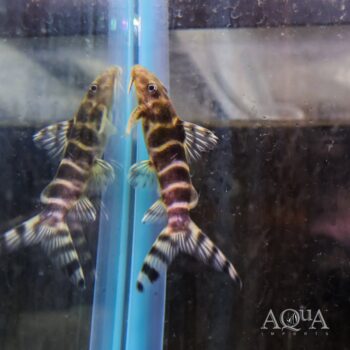
The Synodontis brichardi is a unique and nicely marked member of the genus Synodontis, also known as Squeaker Catfish for their ability to make a distinctive squeaking noise with their pectoral fins when taken out of the water. Found in a wide variety of habitat types throughout the Congo, this uncommon import is hardy and adaptable in the aquarium and is more active and less shy than many other closely related species. These fish displaying a pattern of heavy banding along with their active and hardy nature make them a great aquarium addition.
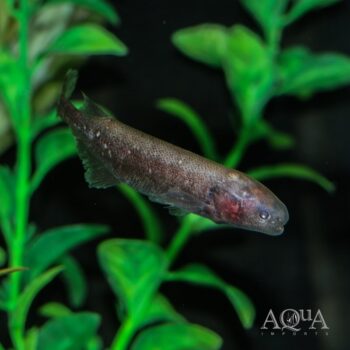
The African Baby Whale (Brienomyrus brachyistius) is a species of mormyrid found throughout much of West Africa. This weak electrical fish uses electrical signals to communicate and locate food. They will accept bloodworms and other frozen foods in the aquarium. Keep in mind, they can be very territorial so choose tankmates wisely.
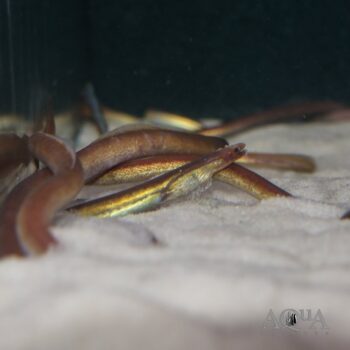
The Purple Spaghetti Eel (Moringua raitaborua) is a rarity in aquarium hobby. They can be found in the estuarine fresh and brackish waters of India. They spend much of their time buried in the substrate so be sure to provide several inches of fine sand in their aquarium.
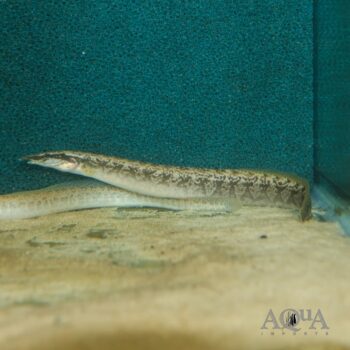
Mastacembelus congicus product description coming soon.
End of content
End of content
No products in the cart.