Showing 1–25 of 33 resultsSorted by latest
-

$59.99
This parasitic Henonemus species was collected in the Rio Maranon and surrounding area of Peru. They use their strong sense of smell to seek out larger fish and feed on their scales and mucus. They are known to remove large chunks from other fish and should be housed with this in mind. Fish in this genus are also know to feed on gill filaments. In the aquarium, they do best in a large tank with plenty of open swimming space and moderate to strong current. They will accept bloodworms in captivity.
-

$24.99
An uncommonly imported relative of the more well-known Banjo Catfish, the Humpback Banjo Catfish is a unique, high backed species found throughout parts of the middle Amazon and its tributaries. Like B. coracoideus, it makes an excellent aquarium species due to its peaceful demeanor and small adult size. The Humpback Banjo Catfish inhabits shallow, warm stretches of slow-moving waters and areas of flooded forest in the wild. Their unique body shape and coloration acts as highly effective camouflage in the submerged leaf litter where they are typically found. In the aquarium, this species is hardy and undemanding, although they can be slow to find food and may be outcompeted by fast-moving or aggressive feeding tankmates.
-

$4.99
The common Banjo Catfish has been a favorite oddball fish in the aquarium hobby for many years due to their unique appearance, peaceful demeanor and small adult size. This species is widespread throughout most of the Amazon and Orinoco basins, where it inhabits shallow, warm stretches of slow-moving waters and areas of flooded forest. Their unique body shape and coloration acts as highly effective camouflage in the submerged leaf litter where they are typically found. In the aquarium, this species is hardy and undemanding, although they can be slow to find food and may be outcompeted by fast-moving or aggressive feeding tankmates.
-

$250.00 – $100.00Price range: $250.00 through $100.00
Choose amount and quantity to be gifted. Redeemable at Aqua Imports.
-

$34.99
A unique eel-like fish found in shallow, slow moving waters throughout West Africa, the African Ropefish or Reedfish is a close relative of Bichirs in the genus Polypterus. A popular if unusual fish in the hobby, the ropefish is an active and interesting aquarium resident that will do best in a medium to large aquarium with plenty of cover. In the wild, they feed on insects, crustaceans, and smaller fish but will generally accept frozen food in the aquarium and any tankmates large enough not to be eaten will be left alone. Ropefish are talented escape artists that can slip out of even a tiny opening, so their aquarium should be kept tightly covered at all times.
-
Sale!

$11.99 – $64.99Price range: $11.99 through $64.99
The Senegal, or Common Bichir is the most widespread species of Polypterus in Africa, inhabiting shallow waters across a huge geographic area. This species is also the most common in the aquarium hobby and has been commercially bred in Asia for years. In the aquarium, they have been popular for many years due to their eel-like body shape, predatory nature, and unique appearance. A hardy fish, the Senegal Bichir or Dinosaur Eel as they are sometimes known require a large tank due to their adult size but are otherwise undemanding.
-

$29.99 – $64.99Price range: $29.99 through $64.99
An attractively marked, medium sized catfish, the Giant Bumblebee Catfish (Pseudopimelodus bufonius), sometimes also called Jello or Jelly Cat, is found throughout the Orinoco and Amazon basins. In the wild, it tends to be found in relatively shallow, slow moving waters – often buried in leaf litter – and is an ambush predator, feeding on small fish, insects, and crustaceans. In the aquarium, they are extremely hardy and undemanding fish, feeding on most sinking prepared foods. Like most catfish, they are nocturnal, and will spend most of the day in hiding so be sure to offer several hiding places.
-
$34.99
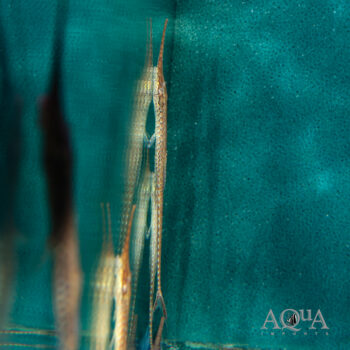
A unique suckermouth catfish that truly lives up to its common name, the Stick Catfish or Common Farlowella is an algae and biofilm grazing species found throughout much of South America. In the wild, their twig-like appearance is effective camouflage against predators and allows them to graze on sunken tree branches and driftwood. In the aquarium, they are usually active and outgoing algae grazers that do a great job with diatoms and hair algae both on the glass and on decor. Safe for planted aquaria, they are compatible with nearly any tankmates. When kept in optimal conditions, this species will spawn readily in the aquarium, often on the glass or other vertical flat surfaces.
-

$44.99
A unique suckermouth catfish that truly lives up to its common name, the Stick Catfish or Common Farlowella is an algae and biofilm grazing species found throughout much of South America. In the wild, their twig-like appearance is effective camouflage against predators and allows them to graze on sunken tree branches and driftwood. In the aquarium, they are usually active and outgoing algae grazers that do a great job with diatoms and hair algae both on the glass and on decor. Safe for planted aquaria, they are compatible with nearly any tankmates. When kept in optimal conditions, this species will spawn readily in the aquarium, often on the glass or other vertical flat surfaces.
-

$64.99
The Giant Sword Minnow (Macrochirichthys macrochirus) is an unusual predator found throughout Asia’s rivers and lakes where they will opportunistically move into floodplains in search of food. These fish are very flighty and easily startled. They should have a well sealing aquarium lid and plenty of space to swim freely. They are best kept in groups of 3 or more and are compatible with fish too large to be eaten.
-

$249.99
An unusual long nosed Mormyrid (a family of weakly electric fish found primarily in Africa), Campylomormyrus numenius is rarely encountered in the hobby. Found in the Pool Malebo, in the middle Congo River, it inhabits slow moving, shallow waters usually over muddy or sandy substrate. Their elongated and highly sensitive snout is used to root through substrate to find small prey items. In the aquarium, they can be a somewhat finicky eater at first, but will usually accept frozen bloodworms, mysis, and other similar foods. They should be kept with peaceful tankmates to avoid bullying or the fish being outcompeted for food.
-

$14.99
Product description coming soon.
-

$9.99
Product description coming soon.
-

$19.99
A unique suckermouth catfish that truly lives up to its common name, the Stick Catfish or Common Farlowella is an algae and biofilm grazing species found throughout much of the Amazon and Orinoco basins. In the wild, their twig-like appearance is effective camouflage against predators and allows them to graze on sunken tree branches and driftwood. In the aquarium, they are usually active and outgoing algae grazers that do a great job with diatoms and hair algae both on the glass and on decor. Safe for planted aquaria, they are compatible with nearly any tankmates. When kept in optimal conditions, this species will spawn readily in the aquarium, often on the glass or other vertical flat surfaces.
-

$69.99
An ornately patterned parasitic catfish, the Jaguar Candiru (Pseudostegophilus nemurus) is found throughout much of the Amazon basin. This species uses its strong sense of smell to seek out larger fish and feed on their scales and mucus. They are known to remove large chunks from other fish and should be housed with this in mind. In the aquarium, they do best in a large tank with plenty of open swimming space and moderate to strong current.
-

$59.99
An unusual and larger growing relative of the more well-known Banjo Catfish, the Eel Tail Banjo Catfish is a unique, elongated species found throughout parts of the lower Amazon, coastal Brazil and the Guyana Shield. The Eel Tail Banjo Catfish inhabits shallow, warm stretches of slow-moving waters and areas of flooded forest in the wild. Their unique body shape and variable coloration acts as highly effective camouflage in the submerged leaf litter where they are typically found. This species has a unique reproductive strategy, with females using specialized pores on the underside of their tail to carry their eggs until hatching. In the aquarium, this species is relatively hardy and undemanding, although they can be slow to find food and may be outcompeted by fast-moving or aggressive feeding tankmates.
-

$129.99
An rare and unusual relative of the more well-known Banjo Catfish, the Tiger Tail Banjo Catfish is a unique, elongated species found throughout parts of the middle Amazon and its tributaries. The Tiger Tail Banjo Catfish inhabits shallow, warm stretches of slow-moving waters and areas of flooded forest in the wild. Their unique body shape and variable coloration acts as highly effective camouflage in the submerged leaf litter where they are typically found. They are able to change color dramatically and will play dead very convincingly when confronted or captured. In the aquarium, this species is relatively hardy and undemanding, although they can be slow to find food and may be outcompeted by fast-moving or aggressive feeding tankmates.
-

$39.99
An uncommonly imported relative of the more well-known Banjo Catfish, the Ghost Banjo Catfish is a unique pale colored species found throughout parts of the middle Amazon and its tributaries. Like B. coracoideus, it makes an excellent aquarium species due to its peaceful demeanor and small adult size. The Ghost Banjo Catfish inhabits shallow, warm stretches of slow-moving waters and areas of flooded forest in the wild. Their unique body shape and coloration acts as highly effective camouflage in the submerged leaf litter where they are typically found. In the aquarium, this species is hardy and undemanding, although they can be slow to find food and may be outcompeted by fast-moving or aggressive feeding tankmates.
-

$13.99
An unusual and rarely imported eel-like catfish, the ″Capitan″ Pencil Catfish originates from the waters of the Rio San Juan in the Choco region of Colombia. Part of a fairly diverse family of similar-looking catfish (Trichomycteridae) found throughout most of South America, this particular species is peaceful and active, and appears to prefer living in loose schools. A voracious omnivore, they will accept any frozen or prepared foods offered. Their name comes from the local name for this group of fish ″Capitan″ (captain), and what they called by the supplier upon import.
-

$44.99
An unusual looking parasitic catfish, the Torpedo Candiru Cat or Candiru açu is found throughout much of the Amazon basin. A powerful, active swimmer that is almost always in motion, this species uses its strong sense of smell to seek out larger fish and either burrowing into gill tissue or skin with their highly specialized like mouths. They also feed on dead fish and mammals (including in some cases humans that had drowned), burrowing under skin and hollowing out the body. In the aquarium, they do best in a large tank with plenty of open swimming space and moderate to strong current.
-
$69.99
An unsual catfish found in some Western Amazon tributaries, the Sleeper Dolphin Catfish is a specialized predator/parasite adapted for feeding on larger fish and dead animals in the wild. Their common name comes from the local name for the fish, “dormilon”, which reflects their nocturnal nature. Less of a predator than some relatives, they will readily accept prepared foods in the aquarium and tend to ignore tankmates too large to be eaten.
-
$49.99 – $59.99Price range: $49.99 through $59.99
An unsual catfish found throughout most of the Amazon basin, the Blue Dolphin or Torpedo Catfish is a specialized predator/parasite adapted for feeding on larger fish and dead animals in the wild. A powerful, active swimmer, this fish feeds by seeking out large fish and taking substantial bites with their highly specialized “cookie cutter” like mouths. They also feed on dead fish and mammals, burrowing under skin and hollowing out the body. In the aquarium, they do best in a large tank with plenty of open swimming space and moderate to strong current.
-

$119.99
This large, bizarre looking parasitic catfish, the Candiru Dolphin Cat or Candiru açu is found throughout most of the Amazon basin, where it spends most of the day hiding among fallen logs and driftwood. At night, they are powerful, active swimmers, seeking out large fish and taking substantial bites with their highly specialized “cookie cutter” like mouths. They also feed on dead fish and mammals (including in some cases humans that had drowned), burrowing under skin and hollowing out the body. In the aquarium, they do best in a large tank with plenty of open swimming space and moderate to strong current.
-

$27.99 – $79.99Price range: $27.99 through $79.99
A uniquely patterned Mormyrid (a family of weakly electric fish found primarily in Africa), The Worm Jawed Mormyrid or Tamandua Elephant Nose is found throughout much of Western and Central Africa. In the wild it inhabits slow moving, shallow waters usually over muddy or sandy substrate. Their elongated and highly sensitive snout is used to root through substrate to find small prey items. In the aquarium, they can be a somewhat finicky eater at first, but will usually accept frozen bloodworms, mysis, and other similar foods. They should be kept with peaceful tankmates to avoid bullying or the fish being outcompeted for food.
-

$22.99
The African Butterfly Fish is a unique, surface-dwelling fish found throughout much of West and Central Africa. In the wild, it typically inhabits shallow, slow moving waters close to aquatic vegetation or among the roots of floating plants. Their distinctive upward hinged mouths allows them to quickly ambush small fish and insects at the waters surface. In the aquarium, they are hardy and undemanding but will do best with plenty of cover close to the surface and should not be kept with any tankmates small enough to become a meal.
End of content
End of content