Showing 1–25 of 324 resultsSorted by latest
-

$19.99
The Demon Eye Hillstream Loach (Erromyzon compactus) is a distinctive, attractively marked hillstream loach found in the fast moving well oxygenated streams of southern China and Vietnam. In the aquarium, they are hardy fish as long as their wild habitat is replicated as closely as possible, with clean, aerated water, large smooth rocks, and moderate to fast flow being essential to keep this species thriving long term. A grazer and opportunistic feeder, they should be given a varied diet high in algae or vegetable content like Fluval Bug Bites Pleco Formula or Repashy Gel Diet. A social fish, they should be kept in groups of at least 3.
-

$24.99
The Borneo Sucker Loach (Gastromyzon ctenocephalus) is one of many attractively marked hillstream loaches found in fast-moving streams in Western Borneo. Sucker Loaches are found among rocks in well-oxygenated waters. In the aquarium, they are hardy fish as long as their wild habitat is replicated as closely as possible, with clean, aerated water and moderate to fast flow being essential to keep this species thriving long term. A grazer and opportunistic feeder, they should be given a varied diet high in algae or vegetable content like Fluval Bug Bites Pleco Formula or Repashy Gel Diet. A social fish, they should be kept in groups of at least 3.
-

$59.99
The Chocolate Sucker Loach (Gastromyzon cf. praestans) is one of many attractively marked hillstream loaches found in fast-moving streams in Western Borneo. Sucker Loaches are found among rocks in well-oxygenated waters. In the aquarium, they are hardy fish as long as their wild habitat is replicated as closely as possible, with clean, aerated water and moderate to fast flow being essential to keep this species thriving long term. A grazer and opportunistic feeder, they should be given a varied diet high in algae or vegetable content like Fluval Bug Bites Pleco Formula or Repashy Gel Diet. A social fish, they should be kept in groups of at least 3.
-

$119.99
The Imperial Red Borneo Sucker (Gastromyzon sp. ‘Imperial Red’) is a distinctive and attractively marked hillstream loach found in fast-moving streams in Western Borneo. Sucker Loaches are found among rocks in well-oxygenated waters. In the aquarium, they are hardy fish as long as their wild habitat is replicated as closely as possible, with clean, aerated water and moderate to fast flow being essential to keep this species thriving long term. A grazer and opportunistic feeder, they should be given a varied diet high in algae or vegetable content like Fluval Bug Bites Pleco Formula or Repashy Gel Diet. A social fish, they should be kept in groups of at least 3.
-
$16.99
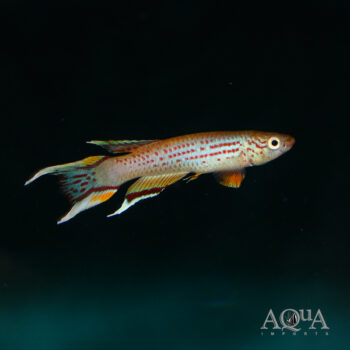
Gold Lyretail Killifish (Aphyosemion australe) product description coming soon.
-

$59.99
Gastromyzon cf. psiloetron are distinctive and attractively marked hillstream loaches found in fast-moving streams in Western Borneo. Sucker Loaches are found among rocks in well-oxygenated waters. In the aquarium, they are hardy fish as long as their wild habitat is replicated as closely as possible, with clean, aerated water and moderate to fast flow being essential to keep this species thriving long term. A grazer and opportunistic feeder, they should be given a varied diet high in algae or vegetable content like Fluval Bug Bites Pleco Formula or Repashy Gel Diet. A social fish, they should be kept in groups of at least 3.
-

$19.99
A peaceful gourami species found in the blackwater peat swamps of Borneo, the Giant Chocolate Gourami (Sphaerichthys acrostoma) is relatively rare in the hobby due to its relatively restricted range and unique requirements. In the wild, these fish inhabit warm, highly acidic waters with pH as low as 4.0, and in the aquarium it will do best if kept in soft, slightly acidic water as well. The addition of tannins to the water by using Indian Almond Leaves or Bark is useful to help this species thrive.
-

$12.99 – $29.99Price range: $12.99 through $29.99
Known to be one of the more peaceful cichlids, the Keyhole Cichlid (Cleithracara maronii) is a great medium sized cichlid species for a community tank. These hardy fish will accept most frozen and dry foods.
-
Sale!

$12.99 Original price was: $12.99.$9.99Current price is: $9.99.
A beautiful wild-type betta from Thailand, the Emerald Betta (Betta smaragdina) is also known as the Green Smaragdina Betta. These Bettas will thrive in a low pH aquarium with lots of cover, tight spaces, and surface variety plants. Although they can be kept in small groups in a larger tank with plenty of cover, they are generally best kept in pairs.
-

$19.99
The Pinstripe Apisto (Apistogramma sp. nadelstreifen) is found near Leticia, Colombia where it is often collected alongside Apistogramma bitaeniata. Like most Apistos, it is found in small forest pools and shallow reaches of flooded forest in warm, acidic water. A hardy and relatively peaceful species, they are ideal for smaller aquariums and do best with ample cover in the form of plants, driftwood, and small caves.
Note on wild-collected Apistogramma sp.:
While we will make our best efforts to select male/female pairs for customer orders, sexing small- and medium-sized wild Apistogramma is not always exact and we do not guarantee a particular sex ratio. We recommend buying these fish in larger groups if a particular ratio of males to females is desired.
-

$19.99 – $24.99Price range: $19.99 through $24.99
The Patrick’s Rasbora (Rasbora patrickyapi) is an active, medium-growing schooling fish endemic to Borneo. With deep red body coloration and a distinctive black stripe popping with iridescence, this species is a spectacular aquarium fish that makes for a striking addition to planted or blackwater tanks. In the wild, they inhabit shallow streams and swampy areas of soft, acidic, tannin-stained waters, usually among aquatic plants or fallen branches. A hardy and adaptable fish in the aquarium, they will do well in a variety of water conditions but will display the best coloration when kept in relatively soft water. Like most schooling rasboras, they are best kept in groups of 5 or more and will thrive with most similarly-sized peaceful tankmates.
-

$39.99
The Purple Fin Hillstream Loach (Labigastromyzon cf. laticeps) is native to China. Like many of their close relatives, this species is perfectly adapted for life in fast moving waters, with their modified pectoral and anal fins forming something of a natural suction cup. This unique adaptation allows them to not only attach firmly to surfaces but also to move forward against strong current and climb up sheer rock faces and waterfalls. They will do best in an aquarium with slightly cooler, well-oxygenated water with moderate to strong current. They will readily feed on biofilms, algae, and certain prepared foods like Repashy Gel Diet. A social and outgoing species, they will thrive in groups of 5 or more and have been successfully bred in the aquarium.
-

$6.99
A beautifully patterned relative of the classic Zebra Danio, the Gold Ring Danio (Brachydanio tinwini) originates in shallow water habitat throughout Northern Myanmar. In the wild, they are found in medium to large schools in clear, fast moving water, typically near aquatic vegetation. In the aquarium, they are hardy and adaptable but prefer plenty of open swimming space and are an active schooler, most comfortable in groups of 5 or more. With their intricate patterns and vivid gold trim, the Gold Ring Danio is an impressive centerpiece for a planted or aquascaped tank.
-
$4.99
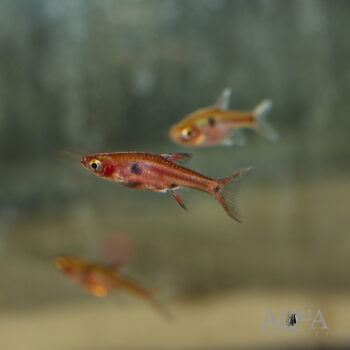
A unique and actively schooling “micro” Rasbora found only in Southern Thailand, the Red Micros or Strawberry Rasbora (Boraras naevus) makes an ideal addition to a nano aquarium or planted tank. In the wild, they inhabit slow moving streams and creeks with sandy substrate and soft, acidic and often tannin-stained waters, usually among aquatic plants or fallen branches. A hardy and adaptable fish in the aquarium, they are popular with aquascapers due to their small adult size, active nature, and distinctive markings. Like most schooling rasboras, they are best kept in groups of 10 or more and will thrive with most similarly-sized peaceful tankmates.
-

$8.99
One of the smallest species of Cory and an ideal, active schooling fish for the aquarium, the true Pygmy Cory is found in the middle and upper Amazon and Napo rivers in Colombia, Brazil, and Peru. In the wild, they are usually found in shallow stretches of whitewater or clearwater creeks or seasonally flooded forest. This species is a true shoaling fish which aggregates in groups of hundreds to thousands in nature, and unlike most Corydoras will spend a substantial amount of time swimming in the water column rather than on the substrate. In the aquarium, they will exhibit this same ‘swarming’ behavior and constant activity if kept in groups of 10 or more. With their small adult size and compatibility with almost any other small fish or invertebrate, they are an extremely popular addition to planted and shrimp tanks. Our tank raised Albino Pygmy Corys are bred in captivity and will adapt to aquarium life easily, making them a good choice for beginner to intermediate hobbyists.
-

$29.99
The Borelli Apistogramma (Apistogramma borellii), is a stunning and peaceful dwarf cichlid native to South America. Perfect for planted community aquariums, these fish are celebrated for their vibrant blue and yellow coloration. They are generally peaceful toward tankmates, though they will gently defend their territory. Bringing an Apistogramma borellii into your aquarium will add both color and a captivating personality.
A note on Apistogramma: Unless otherwise specified, Apistogramma are sold as unsexed individuals. We will make our best efforts to send pairs or a requested ratio of male to female but we do not guarantee sex on these fish. We recommend buying in groups to ensure adequate males and females for breeding.
-

$7.49
A peaceful, small schooling barb originating in the acidic, blackwater streams and swamps of Borneo, the Six Banded Barb makes an attractive display fish for a medium sized community or aquascaped tank. Active and hardy, they are found in large groups in the wild and should be kept in groups of at least 5 in the aquarium. Unlike their similar relative the Tiger Barb, this species is peaceful and not prone to nip fins, and should be kept with similarly peaceful fish.
-

$44.99
With its combination of deep green body coloration and a distinctive orange stripe, the Eques Cory is a sought after species in the aquarium hobby. Although similar species have occasionally been sold (incorrectly) as C. eques, the True Eques Cory is found only in Amazonas State, Brazil, and is uncommonly imported. Similar to most species of Cory Catfish, the Eques Cory should be kept in groups (ideally 5 or more) and prefers a substrate of fine sand. Due to their larger adult size they make an attractive showpiece fish for a medium to large community aquarium and will do well with nearly any peaceful tankmates.
-

$14.99
One of the most active and attractively marked of the Pygmy Cory species, the Tail Spot or Black Diamond Pygmy Cory is found only in the Rio Guapore basin in Southern Brazil, where they occur in huge shoals of hundreds or even thousands of individuals. Unlike most Corydoras, they tend to swim in the middle of the water column instead of being strict bottom dwellers, and a large school makes for an impressive display in a planted or aquascaped aquarium. A hardy and peaceful fish, they should be kept in groups of at least 10 and will do well with similarly peaceful tankmates.
-

$49.99 – $99.99Price range: $49.99 through $99.99
Betta patoti product description coming soon.
-

$39.99
A unique, smaller growing hillstream loach found in fast-moving streams in Western Borneo, the Viriosus Sucker Loach is typically found among rocks in well-oxygenated waters. In the aquarium, they are hardy fish as long as their wild habitat is replicated as closely as possible, with clean, well-aerated water and moderate to fast flow being essential to keep this species thriving long term. This species prefers slightly cooler water temperatures and soft, slightly acidic water. A grazer and opportunistic feeder, they should be given a varied diet high in algae or vegetable content like Fluval Bug Bites Pleco Formula or Repashy Gel Diet. A social fish like most loaches, they should be kept in groups of at least 3 and will typically get along well with other hillstream loach species.
-

$4.99
The Orange Hatchet Danio (Neochela dadiburjori), also known as the Chela Danio, is a species of nano-fish native to Southern India. They are generally surface-dwelling fish, sure to add a splash of color to the top layer of your aquarium. Orange Hatchet Danios have a pearlescent orange body with a striking blue stripe down their side. Perfect for a peaceful community tank, these fish only grow up to 1.5 inches and do best in schools of 5 or more.
-

$19.99 – $34.99Price range: $19.99 through $34.99
The Red Neck Apisto (Apistogramma viejita “Red”) is a variant of the popular dwarf South American cichlid group. These fish are relatively small compared to many Apistos, growing up to only 2 inches! Red Neck Apistos are active, inquisitive fish who will spend lots of time exploring any nooks and crannies present in your tank. They are sexually dimorphic, with males and females differing in their equally bright colors at maturity, especially during mating. As with many apisto species, these fish will do best in groups and with fish of similar size and temperament.
-

$4.99
The Purple Harlequin or Black Harlequin Rasbora is a “manmade” variant of the Heteromorpha Rasbora, selectively bred to be mostly dark in appearance when full grown. They make an ideal addition to a small to medium sized community aquarium or planted tank. In the wild, they inhabit slow moving streams and creeks with sandy substrate and soft, acidic and often tannin-stained waters, usually among aquatic plants or fallen branches. A hardy and adaptable fish in the aquarium, they have been an aquarium hobby classic for many years and are commercially bred all over the world to supply the aquarium trade. Like most schooling rasboras, they are best kept in groups of 10 or more and will thrive with most similarly-sized peaceful tankmates.
-
$9.99
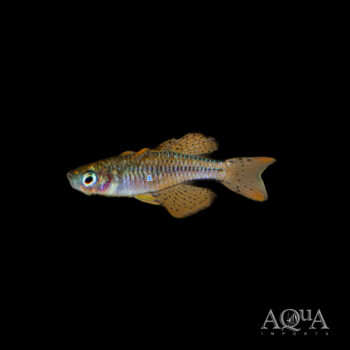
The Red Neon Rainbowfish is a small but strikingly colored fish known from freshwater streams and creeks in West Papua, Indonesia. In the wild it inhabits shallow, acidic, tannin-stained waters where its vivid red body coloration and iridescent blue eyes especially stand out. In the aquarium, they are an ideal centerpiece fish for a nano or planted aquarium, and will get along well with most similarly peaceful tankmates. A varied high quality diet and soft, slightly acidic water will help them display their most vivid coloration in the aquarium. Best kept in pairs or ideally groups of 5 or more fish.
End of content
End of content