Showing all 10 resultsSorted by latest
-

$19.99 – $24.99Price range: $19.99 through $24.99
The Patrick’s Rasbora (Rasbora patrickyapi) is an active, medium-growing schooling fish endemic to Borneo. With deep red body coloration and a distinctive black stripe popping with iridescence, this species is a spectacular aquarium fish that makes for a striking addition to planted or blackwater tanks. In the wild, they inhabit shallow streams and swampy areas of soft, acidic, tannin-stained waters, usually among aquatic plants or fallen branches. A hardy and adaptable fish in the aquarium, they will do well in a variety of water conditions but will display the best coloration when kept in relatively soft water. Like most schooling rasboras, they are best kept in groups of 5 or more and will thrive with most similarly-sized peaceful tankmates.
-
$4.99
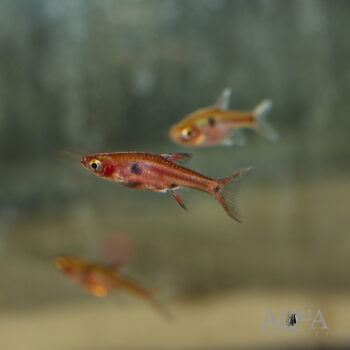
A unique and actively schooling “micro” Rasbora found only in Southern Thailand, the Red Micros or Strawberry Rasbora (Boraras naevus) makes an ideal addition to a nano aquarium or planted tank. In the wild, they inhabit slow moving streams and creeks with sandy substrate and soft, acidic and often tannin-stained waters, usually among aquatic plants or fallen branches. A hardy and adaptable fish in the aquarium, they are popular with aquascapers due to their small adult size, active nature, and distinctive markings. Like most schooling rasboras, they are best kept in groups of 10 or more and will thrive with most similarly-sized peaceful tankmates.
-

$5.49
A popular and attractively marked dwarf cyprinid, the Emerald Dwarf Rasbora is technically not a rasbora at all despite its common name and is in fact a member of the Danio family. Found in the clear, vegetation-rich waters of Inle Lake in Myanmar, the species is considered threatened in the wild although it is bred on a large scale in Indonesia and elsewhere for the aquarium trade. With their tiny adult size and attractive banded pattern, they are a popular species among nano and planted tank hobbyists and make for an impressive display when kept in a group. A schooling, social species, they should be kept in groups of at least 5 fish (10 or more is ideal) and tankmates should be chosen with caution as they may spook this small and somewhat shy fish.
-

$3.99
A unique and actively schooling Rasbora found throughout the Malaysian penninsula, Brevibora cheeya also known as the Giant Eyespot Rasbora makes an ideal addition to a nano aquarium or planted tank. In the wild, they inhabit slow moving streams and creeks with sandy substrate and soft, acidic and often tannin-stained waters, usually among aquatic plants or fallen branches. A hardy and adaptable fish in the aquarium, they are popular with aquascapers due to their small adult size, active nature, and distinctive markings. Like most schooling rasboras, they are best kept in groups of 10 or more and will thrive with most similarly-sized peaceful tankmates.
-

$3.99
A unique and actively schooling “micro” Rasbora found throughout Southern Thailand, Malaysia, and the Sunda Islands, the Eyespot or Emerald Eyespot Rasbora makes an ideal addition to a nano aquarium or planted tank. In the wild, they inhabit slow moving streams and creeks with sandy substrate and soft, acidic and often tannin-stained waters, usually among aquatic plants or fallen branches. A hardy and adaptable fish in the aquarium, they are popular with aquascapers due to their small adult size, active nature, and distinctive markings. Like most schooling rasboras, they are best kept in groups of 10 or more and will thrive with most similarly-sized peaceful tankmates.
-

$6.99
Product description coming soon.
-

$7.49
The Clown Rasbora is an active, medium-growing schooling fish endemic to Southeast Asia, known from peninsular Malaysia, Borneo and Sumatra. With deep red body coloration and distinctive black spots, this species is a popular aquarium fish that makes for a striking addition to planted or blackwater tanks. In the wild, they inhabit shallow streams and creeks with sandy substrate and soft, acidic, tannin-stained waters, usually among aquatic plants or fallen branches. A hardy and adaptable fish in the aquarium, they will do well in a variety of water conditions but will display the best coloration when kept in relatively soft water at temperatures above 78F. Like most schooling rasboras, they are best kept in groups of 10 or more and will thrive with most similarly-sized peaceful tankmates.
-

$10.99
The Orange Line or Glowlight Rasbora is an active, medium-growing schooling fish endemic to Southeast Asia, known from peninsular Malaysia, Borneo and Sumatra. With their namesake vivid orange horizontal stripe, this species is an uncommon but beautifully marked aquarium fish that makes for a striking addition to planted or blackwater tanks. In the wild, they inhabit shallow streams and creeks with sandy substrate and soft, acidic, tannin-stained waters, usually among aquatic plants or fallen branches. A hardy and adaptable fish in the aquarium, they will do well in a variety of water conditions but will display the best coloration when kept in relatively soft water at temperatures above 78F. Like most schooling rasboras, they are best kept in groups of 10 or more and will thrive with most similarly-sized peaceful tankmates.
-

$4.99
A unique and actively schooling “micro” Rasbora found throughout Southern Thailand, Malaysia, and the Sunda Islands, the Dwarf or Maculatus Rasbora makes an ideal addition to a nano aquarium or planted tank. In the wild, they inhabit slow moving streams and creeks with sandy substrate and soft, acidic and often tannin-stained waters, usually among aquatic plants or fallen branches. A hardy and adaptable fish in the aquarium, they are popular with aquascapers due to their small adult size, active nature, and distinctive markings. Like most schooling rasboras, they are best kept in groups of 10 or more and will thrive with most similarly-sized peaceful tankmates.
-

$3.99
A unique and actively schooling “micro” Rasbora found throughout Southern Thailand, the Exclamation Point or Least Rasbora makes an ideal addition to a nano aquarium or planted tank. In the wild, they inhabit slow moving streams and creeks with sandy substrate and soft, acidic and often tannin-stained waters, usually among aquatic plants or fallen branches. A hardy and adaptable fish in the aquarium, they are popular with aquascapers due to their small adult size, active nature, and distinctive markings. Like most schooling rasboras, they are best kept in groups of 10 or more and will thrive with most similarly-sized peaceful tankmates.
End of content
End of content